

The Servicemen’s Readjustment Act of 1944, widely recognized as the GI Bill, emerged as a pivotal piece of legislation aimed at addressing the immediate needs of returning World War II veterans. Enacted by the U.S. Congress, the GI Bill represented a national commitment to support servicemen as they transitioned back into civilian life following their military service. The principal intent of the bill was to provide necessary benefits that would facilitate reintegration into society and help veterans achieve a stable and prosperous life.
One of the most significant provisions of the GI Bill was its education benefits. Eligible veterans were granted access to funding for tuition and fees for higher education, vocational training, and even certification programs. This initiative immensely contributed to an increase in the number of educated individuals in the American workforce, bridging the skill gap and fostering long-term economic growth. Additionally, the GI Bill included stipends for books and supplies, effectively reducing the financial barriers associated with pursuing education.

In tandem with educational support, the GI Bill also offered housing assistance. Veterans could access low-interest home loans without the need for a down payment, essentially making homeownership attainable for many who previously would have faced challenges in securing financing. This provision not only enriched the lives of veterans but also helped to stimulate the post-war economy, as more servicemen and their families became homeowners.

Unemployment compensation was yet another critical aspect of the GI Bill. The legislation provided financial support to veterans as they sought employment, which helped mitigate the transition’s stress and uncertainty. Collectively, these provisions not only addressed the immediate needs of veterans but also heralded significant societal changes, contributing to the expansion of the middle class and altering the fabric of American life in the decades that followed.
Modern Reintegration Challenges Faced by Veterans
The reintegration of veterans into civilian life presents a complex landscape of challenges that can significantly impact their well-being and overall quality of life. Among these, mental health concerns are particularly prominent. Studies indicate that many veterans experience post-traumatic stress disorder (PTSD), depression, and anxiety, often stemming from their service in high-stress environments such as the conflicts in Iraq and Afghanistan. The stigma surrounding mental health within military culture can further impede veterans from seeking the necessary help, leaving many to struggle in silence.
Employment is another critical area where veterans face significant hurdles. Adjusting to civilian work environments can be difficult for many who are accustomed to the structure and camaraderie of military life. Recent statistics show that the unemployment rate for veterans is often higher than that of their civilian counterparts, with many facing difficulties in translating their skills and experiences into suitable job opportunities. Moreover, veterans with service-related disabilities may encounter additional barriers in the job market, exacerbating their reintegration issues.
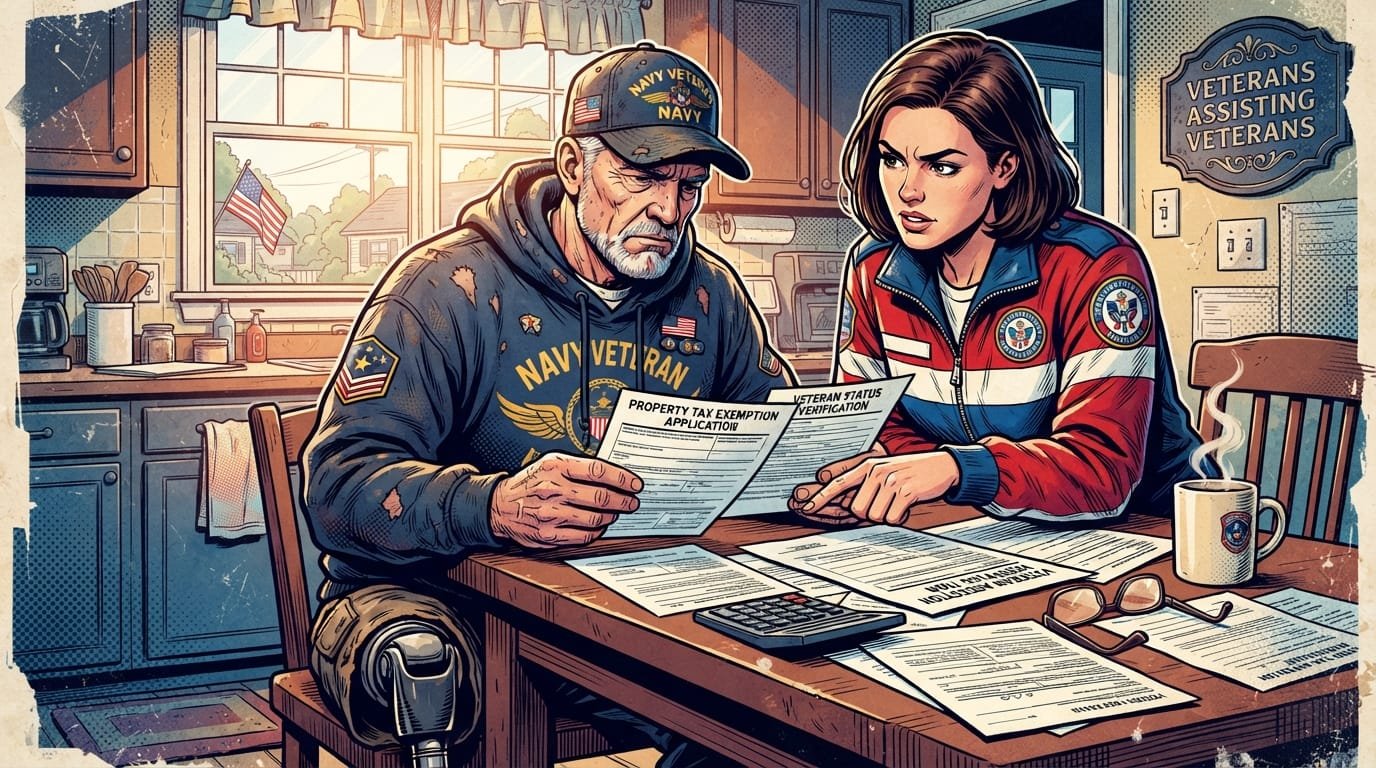
Access to benefits also remains a contentious issue. Despite policies such as the GI Bill, which aims to ease the transition to civilian life by providing educational benefits, many veterans report difficulties navigating the bureaucracy involved in accessing these resources. This situation is particularly acute for those from diverse backgrounds or who have served in less publicized conflicts, who may face compounded challenges based on their unique experiences and circumstances.
Veterans May Qualify for Extra Benefits
Check available financial assistance, healthcare programs and other opportunities that may apply to you.
Check EligibilityIn examining these challenges, testimonials from veterans shed light on their personal experiences, revealing the intricate interplay of individual narratives with broader policy frameworks. Each veteran’s journey is unique, emphasizing the need for targeted and inclusive strategies to support their reintegration into society effectively.
The Ongoing Influence of the GI Bill on Today’s Veterans
The original GI Bill, established in 1944, has profoundly influenced the landscape of veteran benefits in the United States. Its intention was to provide returning World War II veterans with various support mechanisms, including educational assistance, low-interest loans, and unemployment benefits. Over the decades, this legislation has evolved into several iterations, most notably the Post-9/11 GI Bill, which has expanded educational funding to veterans who served after September 10, 2001. This adaptation demonstrates a commitment to addressing the needs of a new generation of veterans, ensuring they receive the support necessary to reintegrate into civilian life.
Today, the GI Bill’s legacy is reflected not only in these educational benefits but also in ongoing discussions about the accessibility and comprehensibility of veteran support programs. Many contemporary veterans encounter challenges similar to those faced by their predecessors, particularly when navigating the complexities of their benefits. The original GI Bill’s framework highlights a continuous need for clarity and streamline processes to better serve veterans.
Additionally, the lessons learned from the original GI Bill contribute to policymaking and implementation of veteran support programs today. For instance, the bureaucratic hurdles that veterans faced initially prompted reforms aimed at simplifying access to benefits. Today’s policies are increasingly crafted with an understanding of the unique experiences and challenges veterans endure, ensuring that evolving support systems are not only responsive but also proactive. As policymakers review existing benefits and explore new initiatives, the lessons from the GI Bill’s history will undoubtedly serve as a compass to guide the future landscape of veteran support.
Pathways to Improvement: Solutions for Veterans Seeking Support
The challenges faced by veterans in reintegrating into civilian life often stem from a complex interplay of societal expectations, available resources, and psychological factors. To mitigate these challenges, it is vital to implement effective solutions that address the needs of the veteran community. One crucial recommendation is for policy makers to enhance the accessibility and efficiency of post-service benefits. Streamlining the application process for veterans to access benefits provided under programs such as the GI Bill could significantly reduce barriers and expedite support.
In conjunction with policy enhancements, community support initiatives play a pivotal role in creating a nurturing environment for veterans. Collaborations between local organizations and veteran groups can facilitate workshops that focus on skills development, employment readiness, and networking opportunities, thus fostering a sense of belonging. Employers should also be encouraged to participate in veteran employment programs, providing apprenticeships and internships that allow veterans to transition smoothly into civilian careers.
The role of mental health resources cannot be overstated in the context of veteran reintegration. Mental health services must be bolstered, focusing on trauma-informed care tailored to the unique experiences of veterans. More outreach programs can be established to connect veterans with mental health professionals, ensuring they receive timely support. Additionally, peer support groups offer veterans a chance to share their experiences and coping strategies, promoting resilience within the community.
Finally, fostering collaboration between government agencies, non-profits, and the private sector will create a holistic support system that honors the sacrifices made by veterans. By working together, these entities can develop comprehensive programs that not only address immediate needs but also lay the groundwork for sustainable solutions. As society recognizes and celebrates the contributions of veterans, the implementation of these pathways will be instrumental in shaping a brighter future for them.
🇺🇸 IMPORTANT DISCLAIMER – Veterans Benefits Information
This site provides general information about U.S. Department of Veterans Affairs (VA) benefits for educational and informational purposes only.
- Not Official: We are NOT affiliated with, endorsed by, or connected to the U.S. Department of Veterans Affairs (VA), the Veterans Benefits Administration (VBA), the Veterans Health Administration (VHA), or any other government agency.
- No Legal/Financial Advice: The content on this website is for informational purposes only and does not constitute legal, financial, or medical advice. VA benefits rules change frequently – always consult with an accredited Veterans Service Officer (VSO) or a qualified professional for your specific situation.
- Official Sources: For official, binding information and to apply for benefits, always visit official .gov websites: VA.gov, Benefits.VA.gov, or SSA.gov.
- No Data Collection: This site does not collect, store, or process any personal information. It does not have login forms, contact forms, or any system to capture user data. We never ask for your Social Security Number, bank details, or any personal information.
- 🚨 Scam Alert: The VA and other government agencies never charge fees for benefit applications. If anyone asks for money to "process" your VA claim, it is a scam. Report it to the VA Office of Inspector General at VA.gov/OIG.
- Advertising: This site uses third-party advertising (Adsterra) to cover operational costs. We do not endorse or guarantee any products or services advertised.
📌 Information provided as of June 2026. Always verify current eligibility and rules with official .gov sources.
This site is not affiliated with the U.S. Department of Veterans Affairs or any government agency. All information is for educational purposes only. Please visit VA.gov for official information.
