
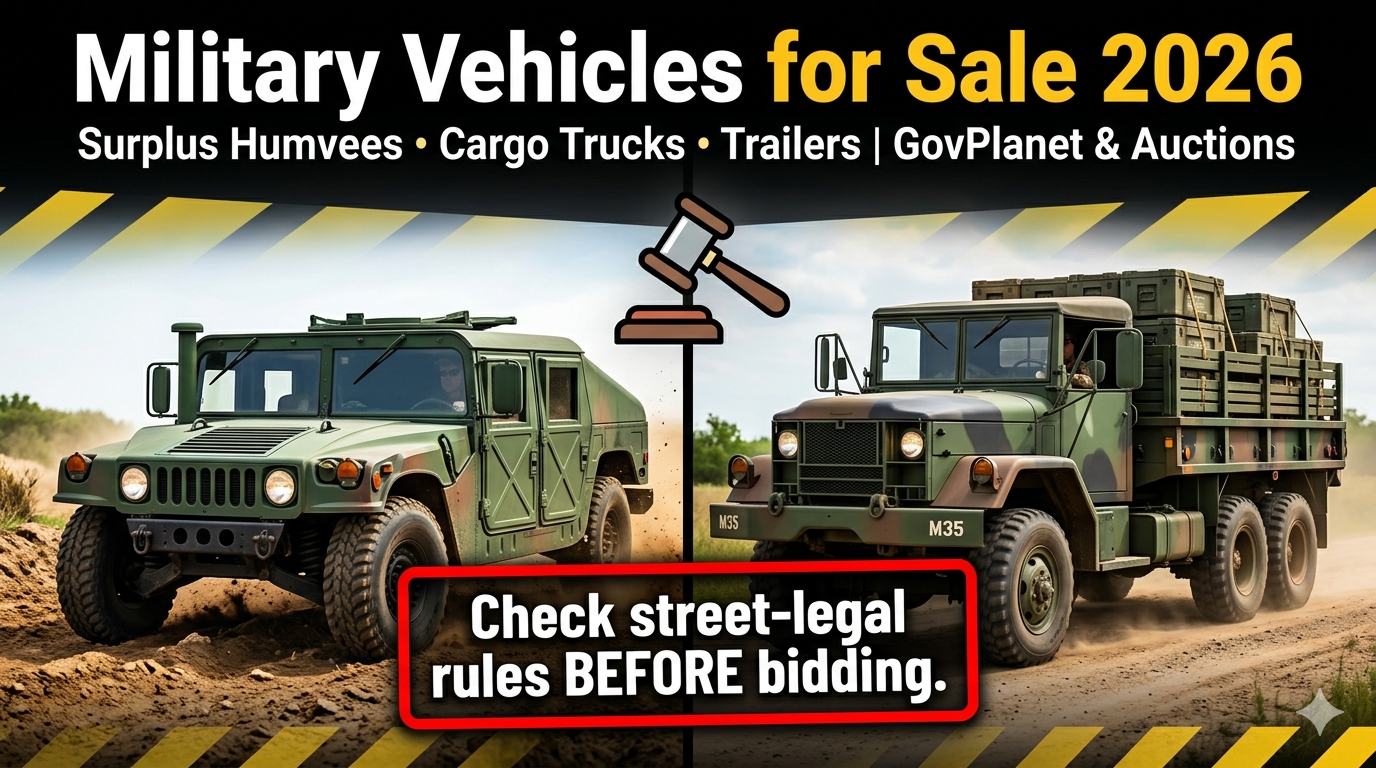
Introduction: The Rising Interest in Military Vehicles
The appeal of military vehicles has seen significant growth in recent years, particularly among veterans and military enthusiasts. In 2026, this trend continues to gain traction as these vehicles offer more than just a means of transportation; they embody a unique blend of history, ruggedness, and functionality. Veterans are drawn to military vehicles for various reasons, including nostalgia, a sense of camaraderie, and the pursuit of adventure.
Owning a military vehicle allows veterans to reconnect with their past, rekindling memories of their service. Each vehicle encapsulates stories of valor and resilience, serving as a symbol of pride for those who have served in the armed forces. Furthermore, military vehicles are often designed for durability and versatility, making them practical choices for recreational activities or personal projects.

The practicality of military vehicles is evident in their robust construction, which is suited for diverse terrains and conditions. Many models can be retrofitted for modern uses, such as off-roading or camping expeditions, gaining popularity among those seeking adventure. Their unique aesthetic appeals to collectors and enthusiasts alike, as these vehicles often stand out from conventional automobiles.

Additionally, the online marketplace has made it easier for potential buyers to access military vehicles for sale. Various platforms now showcase a wide range of models, attracting not only veterans but also collectors and thrill-seekers who appreciate the history and engineering behind military machinery. As interest in military vehicles continues to rise, they are increasingly viewed as not only collectors’ items but also as viable options for those seeking a distinctive and adventurous lifestyle.
Types of Military Vehicles Available in 2026
The year 2026 sees an exciting array of military vehicles available for sale, catering to various interests ranging from collectors to adventure seekers. One of the prominent categories is armored personnel carriers (APCs). These robust vehicles are designed to transport troops safely while providing armor protection against small arms fire and shrapnel. Modern APCs not only come equipped with advanced communication systems but also offer options for weapon integration, making them highly versatile for both civilian and recreational uses.
Tactical trucks are another significant category gaining popularity among veterans and outdoor enthusiasts. These vehicles are specifically engineered for rugged terrains, making them ideal for off-road adventures. Tactical trucks often feature reinforced suspensions, high ground clearance, and heavy-duty frames that ensure reliability and durability in challenging environments. Many models also include customizable options, allowing buyers to modify them according to their specific needs, whether for utility purposes, camping, or expeditionary travel.
Vintage military tanks also remain a favored category among collectors. These historical vehicles not only represent a significant part of military heritage but are also sought after for their unique design and engineering. Tanks from various eras, equipped with original armaments or restored for display, are often available at auctions or specialty sales. Collectors often appreciate the craftsmanship and historical value of these tanks, with some investing considerable resources in restoration projects to bring these vehicles back to their former glory.
Veterans May Qualify for Extra Benefits
Check available financial assistance, healthcare programs and other opportunities that may apply to you.
Check EligibilityIn summary, the variety of military vehicles for sale in 2026 includes armored personnel carriers, tactical trucks, and vintage military tanks, each offering unique features and capabilities suited for different adventures and purposes.
Why Veterans Are Turning to Military Vehicles
The interest of veterans in military vehicles has been steadily rising, driven by a combination of personal nostalgia, the thrill of ownership, and community engagement. For many veterans, these vehicles symbolize a significant chapter of their lives, evoking memories of camaraderie and service. The sight of a military truck or a vintage jeep can stir powerful emotions, reminding them of their time in the armed forces and the bonds forged during challenging circumstances.
Moreover, owning a military vehicle provides a unique thrill that is difficult to replicate with civilian models. These machines, renowned for their rugged capability and distinctive design, offer an exhilarating sense of adventure. Veterans often find joy in restoring or customizing these vehicles, embracing projects that allow them to express their creativity while also reconnecting with their military past. The ability to drive a piece of history fosters a sense of pride, enhancing the overall ownership experience.
Another significant factor contributing to this trend is the sense of community among veterans. Military vehicle ownership often serves as a catalyst for networking and building relationships with fellow veterans. Various events, such as military vehicle shows and rallies, allow owners to share their passion with like-minded individuals, promoting camaraderie and a supportive environment. This engagement can be particularly beneficial for veterans seeking to transition back into civilian life, as it offers an opportunity to bond over shared experiences that may be difficult to discuss openly.
Consequently, the appeal of military vehicles is multi-faceted. Veterans often seek them not only as a personal connection to their service but also as a platform for community building and fostering lasting friendships. In addressing these motivational factors, the military vehicle market continues to thrive, catering to the unique needs and interests of those who have served.
Purchasing Considerations for Military Vehicles
When veterans seek to purchase military vehicles, several critical considerations must guide their decisions to ensure a satisfactory acquisition. First and foremost is the budget. The cost of military vehicles can vary significantly, often stretching from a few thousand dollars to tens of thousands, depending on the model, age, condition, and any modifications. It is essential for prospective buyers to establish a budget that accommodates the purchase price and any additional expenses that may arise during ownership.
Insurance is another vital aspect to consider. Unlike ordinary vehicles, military vehicles may require specialized insurance policies that take into account their unique capabilities and usage. Veterans should thoroughly research insurance options, focusing on coverage that safety nets their investment while complying with state regulations. Selecting the right policy can mitigate financial risks associated with accidents or theft.
Maintenance costs are also a significant factor. Military vehicles can be more expensive to maintain than standard automobiles due to their specialized parts and engineering. It’s prudent for buyers to account for this ongoing cost in their overall budget, factoring in regular servicing, repairs, and potential upgrades to ensure vehicle reliability and performance. This foresight can prevent unexpected financial strain post-purchase.
Lastly, understanding legal regulations governing the ownership and operation of military vehicles is crucial. Varying laws may exist at local, state, and federal levels, potentially restricting where these vehicles can be driven or displayed. Veterans should research these legal stipulations thoroughly to avoid future complications that may arise from non-compliance. By considering these essential factors—budget, insurance, maintenance costs, and legal considerations—veterans can make informed decisions when purchasing military vehicles, ultimately leading to a more successful and rewarding ownership experience.
Where to Find Military Vehicles for Sale
For veterans seeking military vehicles, sourcing them can be both exciting and daunting. Fortunately, a variety of platforms exist that facilitate the purchase of these unique vehicles. Understanding where to look will enhance the chances of finding the right military vehicle that fits one’s needs.
One of the most popular avenues for sourcing military vehicles is through auctions. Various public and private auctions specialize in military surplus items, including vehicles, making them prime locations for potential buyers. Websites such as GovDeals and AuctionsInternational frequently list military vehicles available for bidding, offering a transparent process for buyers. Attending local military surplus auctions can also lead to valuable finds, as bidders can often negotiate prices directly.
Specialty dealerships focus exclusively on military vehicles and related equipment, making them another excellent resource. These dealerships often have a curated selection of vehicles, complete with maintenance history and inspection reports, assuring buyers of quality. Additionally, they can provide expert advice tailored to veterans, guiding them toward options best suited for off-roading, restoration, or collection.
Online marketplaces have also grown significantly and are worth exploring. Platforms like eBay Motors and Craigslist allow users to list and search for military vehicles. Such websites often present a wide price range, allowing buyers to compare and find the best options. However, when using these platforms, it is vital to exercise due diligence to verify the seller’s credibility and vehicle condition.
Lastly, veterans’ community networks and forums can be invaluable resources. Many veterans connect through groups dedicated to military vehicles, where members buy, sell, or trade vehicles. Websites like The Vehicle Decorative Glass and Collector’s Group provide forums for discussions, enhancing community support while offering opportunities to secure military vehicles directly from fellow veterans.
Restoration and Customization of Military Vehicles
Restoring and customizing military vehicles has become a popular pursuit among veterans and enthusiasts alike. The process offers not only a chance to breathe new life into these machines but also an opportunity for personal expression and creativity. Whether one prefers a hands-on DIY project or opts for professional services, multiple avenues exist to achieve a desired outcome.
For those inclined to tackle restoration independently, the DIY route can be immensely rewarding. Various online resources, forums, and communities provide invaluable advice, enabling individuals to learn the necessary skills for effective restoration. Basic tools and a modest workspace can often suffice to begin the process—tasks may include repairing or replacing mechanical parts, refurbishing the interior, and applying a fresh coat of paint. Moreover, sourcing parts from specialized military vehicle supply shops or salvaging from other vehicles can significantly enhance the DIY experience.
However, restoring military vehicles is not without its challenges. Ensuring adherence to safety standards and regulations is critical, particularly with the mechanical aspects of the vehicle. For those who may not feel equipped to undertake such robust tasks, professional restoration services are readily available. Many companies specialize in restoring military vehicles, providing everything from mechanical repairs to complete customization services. These professionals usually offer tailored solutions that may include improvements for modern road use while maintaining the vehicle’s historical integrity.
Customization goes hand-in-hand with restoration, allowing owners to modify their vehicles to meet personal preferences or functional requirements. This may involve upgrading the engine, implementing advanced technology, or even modifying the vehicle’s exterior to reflect individual styles. The world of military vehicle restoration and customization is varied, offering numerous pathways that cater to both novices and seasoned veterans alike, all keen on exploring their next adventure.
Legal Aspects of Owning Military Vehicles
Owning military vehicles comes with a unique set of legal considerations that differ significantly from typical civilian vehicles. Veterans interested in acquiring these robust machines should be well-informed about the licensing, registration, and other regulations that govern military vehicle ownership. One of the foremost requirements is ensuring that the military vehicle is demilitarized, meaning it no longer possesses military capabilities. This process is crucial, as many jurisdictions require such modifications before a vehicle can be registered for civilian use.
Licensing requirements can vary greatly depending on the type of military vehicle being acquired and the local laws. For example, some military vehicles may be classified as oversized or commercial vehicles, necessitating a different class of driver’s license. Veterans should consult their local Department of Motor Vehicles (DMV) or equivalent authority to acquire the proper licensing. Additionally, some states may impose restrictions on the use of military vehicles, including limitations on where they can be driven or how they can be displayed.
Registration is another crucial aspect that veterans need to consider. This often involves providing documents that prove the vehicle has been demilitarized along with other standard documentation required for vehicle registration, such as proof of ownership and a bill of sale. Moreover, some states may require additional inspections to ensure compliance with safety standards designed for civilian vehicles.
Finally, it is essential for veterans to be aware of any specific regulations that might be unique to military vehicles, such as zoning laws that could affect where these vehicles can be parked or displayed. Engaging in thorough research and seeking guidance from local authorities can provide veterans with a clearer understanding of the legal landscape associated with owning military vehicles.
Real-Life Stories from Veterans Who Own Military Vehicles
The journey of acquiring military vehicles is often accompanied by unique stories and profound experiences shared by veterans. A common theme among these narratives is the sense of community and connection that arises from owning such iconic machines. For example, retired Sergeant John Matthews recounts how purchasing a vintage Humvee reignited his passion for his military service days. After a successful career in logistics, John sought a way to stay connected to his past. He purchased the vehicle at a military vehicle auction, where he met several fellow veterans who had also come to reclaim pieces of their history.
In another inspiring tale, former Navy veteran Sarah Thompson shares her experience with restoring a classic armored vehicle. After decades of service in various roles, Sarah found solace in restoring military vehicles. She describes her first acquisition—a decommissioned APC—as nothing short of a therapeutic journey. With each restoration task, she not only honed her mechanical skills but also formed lasting relationships with fellow enthusiasts. Sarah’s project became a community event, where local veterans and families gathered, fostering camaraderie and shared experiences.
Moreover, the stories are not only about nostalgia. Many veterans have found their military vehicles to be platforms for advocacy and education. For instance, former Army Captain David Reynolds uses his restored Jeep to participate in parades and educational events, sharing the history of military service with younger generations. He believes these vehicles serve as important reminders of the sacrifices made and the values upheld by service members.
These real-life stories illustrate how owning military vehicles extends beyond personal ownership; it encapsulates a broader connection to history, community, and purpose. Veterans are not just buying vehicles; they are embracing adventures and building bonds that resonate far and wide.
Conclusion: Embracing a Unique Hobby
Owning military vehicles offers veterans an exceptional opportunity to engage with their past, channeling their experiences into a unique and fulfilling hobby. These vehicles, with their rich histories and robust engineering, can provide both a tangible connection to military life and a means of exploring the outdoors. For many veterans, restoring or maintaining a military vehicle becomes more than just a task; it transforms into a labor of love that promotes personal satisfaction.
Moreover, the process of sourcing and acquiring these military vehicles can be highly rewarding. Through various channels — including online marketplaces, auctions, and specialized dealers — veterans can find an array of vehicles that cater to their preferences and budget. The community surrounding military vehicle ownership is another critical element that enriches this hobby. Numerous clubs and organizations are dedicated to military vehicles, offering a platform for enthusiasts to share knowledge, participate in events, and forge new friendships. Engaging with fellow veterans who share similar interests can enhance one’s experience and foster a supportive network.
In addition to the camaraderie and sense of belonging, military vehicles can provide numerous opportunities for adventures. Veterans can participate in conventions, parades, and reenactments, immersing themselves in the excitement of historical appreciation while also enjoying unique driving experiences. Thus, embracing the ownership of a military vehicle can lead to newfound passions and lasting memories. For veterans seeking a way to redirect their skills and enthusiasm, this hobby offers an inviting pathway for personal growth, exploration, and connection.


🇺🇸 IMPORTANT DISCLAIMER – Veterans Benefits Information
This site provides general information about U.S. Department of Veterans Affairs (VA) benefits for educational and informational purposes only.
- Not Official: We are NOT affiliated with, endorsed by, or connected to the U.S. Department of Veterans Affairs (VA), the Veterans Benefits Administration (VBA), the Veterans Health Administration (VHA), or any other government agency.
- No Legal/Financial Advice: The content on this website is for informational purposes only and does not constitute legal, financial, or medical advice. VA benefits rules change frequently – always consult with an accredited Veterans Service Officer (VSO) or a qualified professional for your specific situation.
- Official Sources: For official, binding information and to apply for benefits, always visit official .gov websites: VA.gov, Benefits.VA.gov, or SSA.gov.
- No Data Collection: This site does not collect, store, or process any personal information. It does not have login forms, contact forms, or any system to capture user data. We never ask for your Social Security Number, bank details, or any personal information.
- 🚨 Scam Alert: The VA and other government agencies never charge fees for benefit applications. If anyone asks for money to "process" your VA claim, it is a scam. Report it to the VA Office of Inspector General at VA.gov/OIG.
- Advertising: This site uses third-party advertising (Adsterra) to cover operational costs. We do not endorse or guarantee any products or services advertised.
📌 Information provided as of June 2026. Always verify current eligibility and rules with official .gov sources.
This site is not affiliated with the U.S. Department of Veterans Affairs or any government agency. All information is for educational purposes only. Please visit VA.gov for official information.
