

Introduction to Veterans Affairs in Virginia
The Veterans Affairs (VA) system in Virginia plays a crucial role in offering essential support and resources to veterans who have served in the armed forces. Understanding the VA’s framework is imperative for veterans as it provides them with access to a multitude of benefits, including healthcare, education, housing, and employment assistance.
In the state of Virginia, numerous VA offices are strategically located to ensure that all veterans can easily obtain the services they need. These offices are equipped to assist with claims for compensation and pensions, vocational rehabilitation, and readjustment counseling. Each VA facility, whether it be a regional office, vet center, or a hospital, is designed to cater to the unique challenges faced by veterans returning to civilian life.

Additionally, Virginia is home to various veteran service organizations that work in conjunction with the VA system. These organizations advocate for veterans, helping them navigate the complex landscape of benefits. This grassroots support is vital, as it empowers veterans with the knowledge needed to maximize their benefits effectively.

Moreover, understanding veterans benefits is more than just knowing what is available; it is about recognizing the impact these services have on the lives of veterans and their families. The benefits provided can significantly improve the quality of life, assist in the transition to civilian life, and support mental health through various programs.
As Virginia continues to honor its veterans, the VA system remains committed to delivering comprehensive services tailored to the needs of this deserving population. As such, it is essential for veterans to familiarize themselves with the available resources and to utilize them to secure their wellbeing and future.
Eligibility for Benefits
To access Veterans Affairs benefits in Virginia, veterans must meet specific eligibility criteria that vary depending on the type of benefit being sought. The foundational requirement is generally the completion of active duty military service, which can differ based on the nature of the service. Most programs require that veterans have served in the military for a minimum period, typically ranging from 90 days to 24 months, excluding any time spent in training.
Residency is another critical aspect of eligibility for various benefits in Virginia. Veterans are typically required to establish proof of residence within the state. Preparing documentation such as a lease agreement, utility bills, or identification that confirms residency can be necessary for the application process. Additionally, some benefits may have specific residency requirements that mandate veterans to reside in Virginia for a certain duration before applying.
Veterans May Qualify for Extra Benefits
Check available financial assistance, healthcare programs and other opportunities that may apply to you.
Check EligibilityMoreover, certain conditions can influence a veteran’s eligibility for benefits. For instance, veterans who have been dishonorably discharged may not qualify for certain VA benefits, whereas those with honorable or general discharges are generally eligible. Furthermore, medical conditions sustained during service can impact benefit eligibility, particularly in relation to healthcare services. Veterans with service-connected disabilities may receive additional benefits related specifically to their condition.
It is important for veterans to thoroughly understand both the service requirements and the conditions affecting their eligibility before seeking assistance. Each program may have unique stipulations that influence access to benefits, making it crucial for veterans to clarify their specific situations. By understanding these eligibility criteria, veterans can better navigate the complex landscape of benefits available in Virginia.
Types of Benefits Offered
Virginia provides an extensive array of benefits for its veterans, aimed at recognizing their service and assisting them in their transition to civilian life. These benefits encompass several vital categories, including healthcare, education, housing, and financial assistance, each designed to meet the diverse needs of veterans in the state.
One of the most crucial benefits is healthcare, which is available through the Department of Veterans Affairs (VA). Veterans in Virginia can access comprehensive medical services at various VA facilities located throughout the state. This includes everything from routine check-ups and mental health services to specialized care for service-related conditions. The VA also offers various programs aimed at promoting wellness and preventive care, ensuring that veterans receive the support they need to maintain their health.
Another significant benefit is educational assistance, which helps veterans pursue higher education and vocational training. The Virginia State Approving Agency works in conjunction with the VA to approve educational programs specifically designed for veterans and their dependents. Benefits under the GI Bill, including tuition coverage and housing allowances, provide financial support to veterans as they continue their education post-service. Additionally, there are scholarship opportunities specifically tailored for veterans that further alleviate financial burdens.
Housing assistance is also a critical area where veterans can find support. Various programs are administered to help veterans secure affordable housing, from VA home loans that often come with favorable terms to housing assistance programs offered by local veterans’ organizations. These initiatives aim to help veterans transition smoothly into civilian life while ensuring they have stable and suitable living conditions.
Lastly, financial assistance programs are available to help veterans manage their financial needs. From disability compensation to pensions for those who qualify, these financial benefits serve as a safety net for veterans facing economic challenges. Numerous non-profit organizations also offer support with unemployment benefits and job training programs to aid veterans seeking employment.
In summary, the benefits available to veterans in Virginia are comprehensive, providing essential support in various aspects of life. By understanding the range of options available, veterans can better navigate their entitlements and access the support they deserve.
Healthcare Services for Virginia Veterans
The Virginia Department of Veterans Services works diligently to provide comprehensive healthcare services to veterans throughout the state. With a multitude of facilities and services available, veterans can access the medical care they need, including routine examinations, specialized treatments, and mental health support. Key facilities include the VA Medical Center in Richmond and several community-based outpatient clinics located in areas like Tidewater, Northern Virginia, and the Shenandoah Valley.
At the Richmond VA Medical Center, veterans can receive a wide range of services, from primary care to complex surgical procedures. This facility is equipped to handle various medical conditions, ensuring that veterans receive high-quality care tailored to their specific needs. Additionally, it has a dedicated section for rehabilitation and recovery, which is crucial for those who have undergone serious procedures or require long-term care.
Community-based outpatient clinics (CBOCs) serve as satellite facilities that bring essential healthcare closer to veterans living in rural or underserved areas. These clinics provide accessible health services, including preventative care, routine check-ups, and mental health consultations. Veterans can typically receive care at these locations without having to travel long distances, thereby increasing accessibility to necessary healthcare services.
In terms of mental health services, the VA in Virginia offers a variety of programs aimed at supporting veterans facing psychological challenges. This includes access to counseling, group therapy, and substance abuse treatment. Recognizing the unique experiences of veterans, the VA tailors its mental health services to address issues such as PTSD and depression effectively.
To access these healthcare services, veterans must first enroll in the VA healthcare system, which involves submitting an application and providing proof of service. Once enrolled, they can schedule appointments at their nearest facility. The process is designed to be as streamlined as possible, ensuring that veterans can quickly receive the care they deserve.
Educational Benefits and Resources
The state of Virginia offers a variety of educational benefits and resources tailored specifically for veterans. One of the most prominent benefits available is the Post-9/11 GI Bill, which provides financial support for veterans pursuing higher education, vocational training, and non-college degree programs. This federal program covers tuition and fees for in-state public colleges as well as a monthly housing allowance, a stipend for books, and supplies. The GI Bill also facilitates a smooth transition for service members back to civilian life, making education more accessible and affordable.
In addition to the federal GI Bill, Virginia has established several state-level programs aimed at enhancing educational opportunities for veterans. For instance, the Virginia Veteran and Family Support program offers a wealth of resources, connecting veterans to educational institutions and providing counseling to assist with enrollment processes. Moreover, the state also offers a tuition-free education at community colleges for certain veterans, which can serve as a valuable stepping stone for further academic pursuits.
Veterans can also benefit from vocational training programs designed to equip them with specific job-related skills. The Department of Veteran Services (DVS) in Virginia provides information about various trade schools and apprenticeships that are approved for veterans’ educational benefits. These programs ensure that veterans not only receive education but also acquire essential skills that are in high demand within the job market.
For veterans interested in furthering their education or receiving vocational training in Virginia, a wealth of resources is readily available. The state has established a network of organizations that can help veterans navigate their options, including assistance with applications and the identification of suitable programs. Additionally, local veteran service organizations often conduct workshops that provide valuable information regarding educational benefits and opportunities, further aiding service members in their pursuit of knowledge and skill enhancement.
Housing Assistance Programs
Veterans in Virginia have access to a variety of housing benefits and resources designed to support their unique needs. Among these, VA loans represent a key benefit, enabling veterans to purchase homes with favorable terms. These loans typically feature no down payment requirements, competitive interest rates, and no private mortgage insurance, making them an attractive option for veterans looking to secure housing.
Furthermore, the U.S. Department of Veterans Affairs (VA) offers grants for veterans with disabilities, which can be utilized to adapt and modify homes to create a safer and more accessible living environment. These grants, such as the Special Housing Adaptation (SHA) and the Temporary Residence Adaptation (TRA) programs, provide financial assistance to help veterans remodel their homes to better suit their needs or make necessary adjustments if they reside temporarily in a family member’s home.
In addition to these programs, there are resources aimed at combatting homelessness among veterans. Initiatives such as the VA’s Supportive Services for Veteran Families (SSVF) program help provide financial assistance and supportive services to low-income veteran families. The program aims to prevent homelessness by offering housing stability, case management, and connection to other vital resources. Through local collaborations and partnerships, Virginia also offers outreach services specifically targeting veterans experiencing homelessness to ensure they have access to housing assistance and crucial support services.
Ultimately, there are extensive programs available to help veterans transition to stable housing. From favorable loan options to specialized grants for disabilities and dedicated services against homelessness, Virginia strives to create a supportive environment for its veterans. By taking advantage of these housing assistance programs, veterans can significantly improve their living situations and secure a brighter future.
Financial Assistance and Support Programs
Veterans in Virginia are eligible for various financial aids and support programs designed to assist them in their post-service life. Among these, the Department of Veterans Affairs (VA) offers a range of pensions and compensation programs specifically tailored for veterans who have sustained service-related injuries. The compensation program provides monetary benefits to veterans whose disabilities are linked to their military service, alleviating some of the financial burdens associated with medical treatment and rehabilitation.
Veterans can also apply for the VA pension, which is a need-based program aimed at providing financial support to low-income veterans aged 65 and older, or those who are permanently and totally disabled. This pension can significantly contribute to living expenses, helping veterans maintain a degree of financial stability as they navigate civilian life.
In addition to the VA’s offerings, various state agencies in Virginia further extend economic support to veterans. The Virginia Department of Veterans Services (VDVS) provides information and assistance with local programs designed to address veterans’ needs. This includes support for vocational training, employment services, and housing assistance, which are vital for re-integrating veterans into society.
Other specialized programs focus on education, providing financial assistance for veterans pursuing further training or higher education. These programs often include grants and scholarships aimed at reducing the financial burden of tuition fees.
It is essential for veterans to explore all available options to maximize their financial aid benefits. By thoroughly understanding the various financial assistance and support programs offered at both the federal and state levels, veterans can better navigate the resources available to them. They are encouraged to reach out to local veterans’ organizations and support groups for guidance and assistance in accessing the benefits for which they qualify.
Applying for Benefits: A Step-by-Step Guide
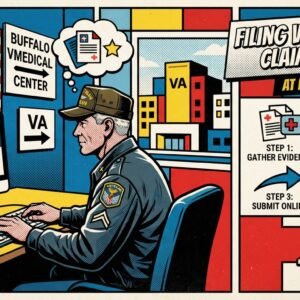
Applying for Veterans Affairs benefits in Virginia involves a systematic process that can significantly improve a veteran’s quality of life. To navigate this process efficiently, veterans should follow this step-by-step guide, which outlines the necessary documentation, available online resources, and practical tips to avoid common pitfalls.
First and foremost, veterans should determine the type of benefits they are eligible for, which may include disability compensation, pension, education, or health care benefits. Understanding the specific requirements for each category is crucial to streamline the application process.
The second step is gathering the necessary documentation. Veterans typically need to provide proof of military service, which can include discharge papers (DD Form 214), and may also be required to submit medical records or evidence of income, particularly for pension-related benefits. Ensuring all documents are accurately completed and organized will help avoid delays in processing.
Next, veterans can visit the official Veterans Affairs website or the Virginia Department of Veterans Services website to access online application forms. This digital approach allows for a more straightforward submission process, enabling veterans to apply for multiple benefits simultaneously if needed. Veterans can also find instructional materials and FAQs that can assist in completing their applications.
As part of the application process, it is advisable for veterans to seek assistance from local veterans’ organizations or service officers who can provide invaluable guidance and support. These professionals can help veterans understand the details of various benefits and ensure that all required documentation is submitted correctly.
Finally, once the application has been submitted, it is essential for veterans to regularly check the status of their application through their online account or by contacting the VA directly. Keeping communication lines open can help address any issues that may arise during the processing of benefits.
By following this comprehensive step-by-step guide, veterans applying for benefits in Virginia can navigate the complexities of the process more effectively, ensuring they receive the support they deserve without unnecessary delays.
Additional Resources and Support Networks
Veterans in Virginia have access to a variety of resources and support networks that can complement the benefits provided by Veterans Affairs. While the VA offers essential services, many veterans find additional assistance through state programs, non-profit organizations, and community support networks designed specifically for veterans and their families.
The Virginia Department of Veterans Services (VDVS) provides a comprehensive range of support options, including the Virginia Veteran and Family Support Program. This initiative offers services geared toward enhancing the quality of life for veterans through mental health programs, substance use treatment, and family support. Moreover, veterans can benefit from specialized counseling and reintegration services, promoting a smoother transition back into civilian life.
Additionally, there are numerous non-profit organizations across Virginia that focus on veteran welfare. Organizations like the Virginia Wounded Warrior Program provide tailored support for injured service members and their families. They offer access to a wide array of resources, including employment assistance, housing support, and wellness programs aimed at fostering resilience and recovery.
Local community organizations also play a crucial role in supporting veterans. Many cities and counties have dedicated veterans’ services offices that assist in navigating available local resources, including financial assistance programs and social services. Furthermore, networking opportunities through veteran service organizations such as the American Legion and Veterans of Foreign Wars (VFW) allow individuals to connect with peers, share experiences, and gain support.
Moreover, veterans can explore the benefits of national organizations such as the Disabled American Veterans (DAV), which provides transportation assistance for medical appointments, advocacy for disability claims, and a sense of camaraderie among veterans. Such networks contribute significantly to a veteran’s well-being and quality of life beyond the scope of traditional VA benefits.
In conclusion, while Veterans Affairs provides vital services to veterans in Virginia, numerous additional resources are available to further support them and their families. Engaging with these programs can enhance the support system, offering veterans the assistance they need to thrive in their communities.
🇺🇸 IMPORTANT DISCLAIMER – Veterans Benefits Information
This site provides general information about U.S. Department of Veterans Affairs (VA) benefits for educational and informational purposes only.
- Not Official: We are NOT affiliated with, endorsed by, or connected to the U.S. Department of Veterans Affairs (VA), the Veterans Benefits Administration (VBA), the Veterans Health Administration (VHA), or any other government agency.
- No Legal/Financial Advice: The content on this website is for informational purposes only and does not constitute legal, financial, or medical advice. VA benefits rules change frequently – always consult with an accredited Veterans Service Officer (VSO) or a qualified professional for your specific situation.
- Official Sources: For official, binding information and to apply for benefits, always visit official .gov websites: VA.gov, Benefits.VA.gov, or SSA.gov.
- No Data Collection: This site does not collect, store, or process any personal information. It does not have login forms, contact forms, or any system to capture user data. We never ask for your Social Security Number, bank details, or any personal information.
- 🚨 Scam Alert: The VA and other government agencies never charge fees for benefit applications. If anyone asks for money to "process" your VA claim, it is a scam. Report it to the VA Office of Inspector General at VA.gov/OIG.
- Advertising: This site uses third-party advertising (Adsterra) to cover operational costs. We do not endorse or guarantee any products or services advertised.
📌 Information provided as of June 2026. Always verify current eligibility and rules with official .gov sources.
This site is not affiliated with the U.S. Department of Veterans Affairs or any government agency. All information is for educational purposes only. Please visit VA.gov for official information.
