

Understanding VA Disability Benefits
VA disability benefits are essential financial and healthcare programs provided by the U.S. Department of Veterans Affairs to support veterans who have sustained service-related disabilities. These benefits aim to assist individuals in managing their health challenges and achieving a quality of life post-service.
To qualify for VA disability benefits, veterans must demonstrate a connection between their military service and their disability. The eligibility criteria include serving in active duty, being discharged under conditions other than dishonorable, and having a service-related injury or illness that affects daily life. The severity of the disability is assessed through a rating system that ranges from 0% to 100%, determining the level of benefits a veteran may receive.

There are several types of benefits available under the VA disability programs. Primary among them is disability compensation, which provides tax-free monetary payments to veterans with a service-connected disability. This compensation is intended to replace the loss of earning potential due to the disability. Additionally, veterans may qualify for Special Monthly Compensation (SMC) if they have specific, severe disabilities that require extra assistance.

Healthcare support is another crucial component of VA disability benefits. Eligible veterans can access the VA healthcare system, which offers comprehensive medical services, including preventative care, mental health services, and specialized treatments related to their disabilities. This healthcare provision ensures that veterans receive the necessary medical attention to address their service-related conditions.
The purpose of these benefits extends beyond mere financial assistance; they reflect the nation’s commitment to honor and support those who have served. By providing both economic and healthcare support, VA disability benefits play a vital role in helping veterans navigate the challenges they face due to their service-connected disabilities, ultimately empowering them to lead fulfilling lives.
Recent Trends in VA Disability Rates in Virginia
In recent years, Virginia has witnessed considerable fluctuations in the rates of VA disability claims and approvals. An analysis of the data from the U.S. Department of Veterans Affairs reveals an upward trend in the number of veterans receiving disability benefits. As of the latest report, over 200,000 veterans in Virginia are currently receiving such benefits, which marks a significant increase compared to previous years. This surge can largely be attributed to heightened awareness of the VA disability claims process, alongside efforts to improve outreach and engagement with veterans.
Furthermore, the volume of applications for VA disability has seen a steady rise, with thousands of new applications submitted annually. This increase is indicative of a growing number of veterans recognizing the benefits they may be entitled to following their service. The challenges faced by many veterans, including mental health issues and physical injuries, further contribute to this surge in applications.
Veterans May Qualify for Extra Benefits
Check available financial assistance, healthcare programs and other opportunities that may apply to you.
Check EligibilityNotably, recent changes to eligibility criteria and benefit levels have played a substantial role in shaping these trends. Legislative actions aimed at broadening the scope of covered disabilities have allowed a wider array of veterans to qualify for benefits. For instance, conditions previously deemed non-compensable might now receive acknowledgment, which encourages those veterans to apply for benefits they may have previously overlooked. The VA has also implemented expedited claims processes for specific conditions, which has resulted in faster determinations and approvals.
The combination of these factors creates a nuanced landscape for VA disability in Virginia. While the increasing numbers reflect progress in supporting veterans, it also highlights the necessity for ongoing reforms and enhancements in service delivery to address the evolving needs of the veteran population. As we look towards 2027, the trends observed in recent years will undoubtedly inform future policy decisions aimed at improving the quality and accessibility of VA disability benefits.
Projected Changes in Disability Rates for 2027
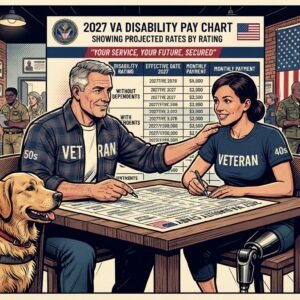
As the landscape of veteran care continues to evolve, understanding the projected rates for VA disability increases in Virginia by 2027 is paramount. Several factors play a crucial role in shaping these rates, including anticipated policy adjustments, economic influences, and demographic changes among the state’s veteran population.
Historically, the Department of Veterans Affairs has made periodic adjustments to the disability compensation rates to align with inflation and cost of living increases. Experts predict that similar adjustments will occur leading up to 2027, triggered in part by national economic indicators such as inflation rates and changes in the Consumer Price Index (CPI). Through these adjustments, the VA aims to ensure that the financial support provided to veterans remains adequate in light of rising living costs.
Moreover, the economic climate in Virginia, which includes factors such as employment rates and economic growth, is expected to influence the overall funding for veteran benefits. Economic prosperity may lead to an improved budget for the VA, potentially enhancing the benefits available to veterans. Conversely, economic downturns could constrain resources and limit potential increases in compensation rates.
In addition to economic and policy changes, demographic shifts among veterans in Virginia are likely to impact disability claims and benefits by 2027. With an increasing proportion of elderly veterans, there is likely to be a rise in disability claims related to age-related conditions. Coupled with a younger demographic of veterans returning from recent conflicts, the VA may see a surge in diverse types of disability claims, further complicating the funding landscape.
As we look towards 2027, a myriad of variables will dictate the trajectory of VA disability increases in Virginia. By monitoring these trends, veterans and stakeholders alike can better prepare for the anticipated changes in the compensation landscape.
Implications of Projected Increases for Veterans and the Community
The projected increases in VA disability benefits for veterans in Virginia by 2027 hold significant implications not only for the veterans themselves but also for their surrounding communities. As these benefits increase, veterans are likely to experience an enhanced quality of life. This improvement can emerge from better financial stability, allowing veterans to meet their everyday needs more effectively, which may contribute to overall mental and physical well-being.
Moreover, the enhancement of VA disability benefits will likely stimulate local economies. Injecting more funds into the hands of veterans potentially translates into increased consumer spending. Local businesses may see a rise in sales as veterans are able to afford goods and services that they may have previously found unattainable. This increased economic activity could lead to job creation, thereby benefiting the community at large.
Additionally, the healthcare systems in Virginia could experience increasing pressures or benefits as a result of these changes. With more disposable income, veterans may seek medical treatment more frequently or opt for better healthcare options. This shift might lead to a strain on existing healthcare facilities, necessitating expansions or improvements in services available for veterans. Alternatively, it could encourage healthcare providers to innovate and improve their service offerings, benefiting all patients.
Furthermore, an increase in VA disability compensation emphasizes the critical importance of advocacy for veterans’ rights and resources. As benefits increase, community organizations and government agencies need to ensure that veterans are informed about available resources. Ensuring that veterans are aware of their entitlements, benefits, and support services is crucial to maximizing the positive impacts of the projected increases. Advocacy efforts will help bridge gaps between veterans and the services designed to assist them, thereby fostering a strong support network.
In conclusion, the projected VA disability increases set to take effect in 2027 carry substantial implications for veterans and their communities. By considering the interconnected effects on local economies, healthcare systems, and the advocacy for veterans’ rights, stakeholders can align their efforts to support veterans effectively, thereby enhancing the collective prosperity of Virginia’s communities.

🇺🇸 IMPORTANT DISCLAIMER – Veterans Benefits Information
This site provides general information about U.S. Department of Veterans Affairs (VA) benefits for educational and informational purposes only.
- Not Official: We are NOT affiliated with, endorsed by, or connected to the U.S. Department of Veterans Affairs (VA), the Veterans Benefits Administration (VBA), the Veterans Health Administration (VHA), or any other government agency.
- No Legal/Financial Advice: The content on this website is for informational purposes only and does not constitute legal, financial, or medical advice. VA benefits rules change frequently – always consult with an accredited Veterans Service Officer (VSO) or a qualified professional for your specific situation.
- Official Sources: For official, binding information and to apply for benefits, always visit official .gov websites: VA.gov, Benefits.VA.gov, or SSA.gov.
- No Data Collection: This site does not collect, store, or process any personal information. It does not have login forms, contact forms, or any system to capture user data. We never ask for your Social Security Number, bank details, or any personal information.
- 🚨 Scam Alert: The VA and other government agencies never charge fees for benefit applications. If anyone asks for money to "process" your VA claim, it is a scam. Report it to the VA Office of Inspector General at VA.gov/OIG.
- Advertising: This site uses third-party advertising (Adsterra) to cover operational costs. We do not endorse or guarantee any products or services advertised.
📌 Information provided as of June 2026. Always verify current eligibility and rules with official .gov sources.
This site is not affiliated with the U.S. Department of Veterans Affairs or any government agency. All information is for educational purposes only. Please visit VA.gov for official information.
