

Introduction to VA Disability Compensation
The VA disability compensation program serves as a vital lifeline for veterans, providing financial support to those who have sustained disabilities as a result of their service in the U.S. Armed Forces. Established by the Department of Veterans Affairs (VA), this program aims to offer relief to veterans who face challenges due to physical or mental health conditions linked to their military experience.
VA disability compensation is not a one-size-fits-all solution; rather, it is tailored to meet the diverse needs of veterans through a system of disability ratings. These ratings are assigned based on the severity of the disability, measured on a scale from 0% to 100%. A higher percentage indicates a greater level of impairment, impacting the compensation amount a veteran is eligible to receive. Veterans who receive a 100% disability rating are recognized as totally and permanently disabled, receiving the maximum compensation benefits available under the program.

The significance of receiving a 100% rating cannot be understated. It not only provides substantial financial assistance but also unlocks access to additional benefits, such as healthcare services, vocational rehabilitation, and other supportive programs. This rating serves as an affirmation of the sacrifices made by veterans and acknowledges the ongoing impact of their service-related disabilities on their quality of life. The comprehensive support offered through the VA disability compensation program is critical for enabling veterans to achieve a level of stability and independence in their post-military lives.

Understanding the intricacies of VA disability compensation, including available ratings, eligibility criteria, and benefits, is essential for veterans navigating their post-service journey. It helps them make informed decisions regarding their healthcare and financial options, ultimately empowering them as they transition back into civilian life.
Monthly Compensation Amount for 100% Disability in 2026
In 2026, veterans who have been rated with a 100% disability can expect to receive a monthly compensation amount of $3,938.58. This figure represents a significant financial support system for those who have dedicated their lives to serving their country, particularly for veterans who face severe service-related disabilities that impact their daily lives. The compensation aims to alleviate financial challenges while ensuring that these veterans can maintain a decent standard of living.
The compensation amount is subject to annual adjustments, primarily aimed at keeping up with inflation costs. Such adjustments are vital as they help ensure that the purchasing power of the compensation remains relatively stable over time. As the economy changes, the Department of Veterans Affairs (VA) routinely evaluates and modifies the compensation rates. This practice ensures that veterans are adequately provided for, despite shifts in the cost of living and economic conditions.
It is important to note that the compensation rate of $3,938.58 reflects the base pay for a veteran rated at 100% disability in 2026. Additional benefits may be available through special circumstances, such as dependents or specific conditions that warrant extra consideration. Therefore, veterans are encouraged to explore their options fully, as various factors could lead to an increase in their overall payout beyond the base monthly compensation rate.
Veterans May Qualify for Extra Benefits
Check available financial assistance, healthcare programs and other opportunities that may apply to you.
Check EligibilityFurthermore, staying informed about legislative changes and potential adjustments to the VA compensation structure will be crucial for veterans as they navigate their financial planning. Engaging with veteran service organizations can also provide veterans with resources and support to better understand their compensation entitlements and how to maximize their benefits.
Comparison with Previous Years
Understanding the evolution of VA disability compensation is essential for veterans and stakeholders seeking clarity on financial support. In 2026, the compensation rates have seen noteworthy adjustments, driven by inflationary pressures and other economic factors. An examination of the 2026 compensation rates compared to previous years reveals noteworthy trends that reflect ongoing efforts to meet the needs of veterans.
In 2021, the standard monthly compensation rate for veterans with a 100% disability rating was approximately $3,200. This rate had already experienced a modest increase from the prior year, highlighting the government’s commitment to addressing inflation’s impact on consumer pricing. Each subsequent year demonstrated a similar trend, underscoring a responsive approach to the economic climate. By 2023, the rate had risen to around $3,400, indicating a consistent upward trajectory amid rising living costs.
Fast forward to 2026, and the current compensation rate for veterans with a 100% disability stands at approximately $3,700 per month. This increase not only aligns with the average inflation rates but also encompasses additional considerations in economic policies pertinent to veterans. Notably, these annual increases are not arbitrary increments; they are meticulously calculated based on various economic indicators, including the Consumer Price Index (CPI) and adjustments to cost-of-living expenses.
The sustained increases observed over the years underscore the government’s recognition of the sacrifices made by veterans and the importance of continuing to adapt their compensation to the changing economic landscape. In summary, the inflation-indexed adjustments from previous years to 2026 demonstrate a commitment to ensuring that 100% VA disability compensation remains a vital and responsive component of veterans’ financial support systems.
Additional Benefits for Dependents
Veterans receiving 100% VA disability compensation are entitled to additional benefits when they have dependents, such as spouses, children, or parents. These additional benefits reflect the recognition of the financial responsibilities that veterans undertake when supporting family members. The Department of Veterans Affairs (VA) modifies the monthly compensation amount depending on the number and type of dependents that a veteran has.
The base compensation starts at a specified level for a completely disabled veteran. However, the amount significantly increases when the veteran claims additional allowances for dependents. For instance, veterans with a spouse and multiple children may receive a higher monthly payment compared to a veteran without dependents, creating a financial framework that acknowledges the extra support needed for a larger family. The VA provides a comprehensive pay chart which details the exact figures depending on the number of dependents, thus allowing veterans to understand the benefits they may qualify for.
It is essential for veterans to report any changes in their dependent status to the VA, as this can impact their compensation rates. Dependency criteria set by the VA typically include biological children, legally adopted children, and in some cases, stepchildren, provided they meet specific age or dependency status qualifications. Additionally, parents of a disabled veteran may also be considered for dependent benefits, particularly when they rely on the veteran for financial support.
To ensure veterans receive the complete compensation package they are entitled to, it is advisable to verify all information regarding dependents with the VA and complete necessary forms for dependency claims. Accurate and timely reporting can make a significant difference in a veteran’s monthly compensation, thereby enhancing their overall financial stability.
Work Restrictions for 100% Rated Veterans
Veterans who have been assigned a 100% schedular disability rating by the Department of Veterans Affairs (VA) are afforded certain benefits that reflect their significant service-connected impairments. One of the most crucial aspects of this rating is the absence of work restrictions. Unlike veterans who are rated under the Total Disability based on Individual Unemployability (TDIU), those with a schedular 100% rating are not limited in their ability to seek or maintain gainful employment.
This distinction is important for veterans navigating their employment options. A 100% schedular rating indicates that the VA has determined that the veteran is fully disabled due to their service-related conditions. While this means they are entitled to the maximum amount of compensation, it does not legally restrict them from working. In fact, many veterans choose to pursue careers or educational opportunities, despite their disabilities.
On the other hand, TDIU is designed for veterans whose service-connected disabilities prevent them from engaging in substantially gainful employment, even if their combined disability rating does not reach 100%. These veterans generally receive a monthly compensation equivalent to a 100% rating, but they are expected to demonstrate that they cannot work due to their service-connected conditions. As a result, TDIU recipients are bound by stipulations regarding work, which is not the case for 100% schedular rated veterans.
Consequently, veterans with a 100% schedular rating have the flexibility to explore various employment opportunities without fear of compromising their benefits. This flexibility can foster a sense of independence and purpose, allowing veterans to contribute to their communities and enhance their quality of life while managing their disabilities.
Impact of Inflation on VA Compensation
Inflation is a critical economic factor that significantly impacts the financial landscape for veterans relying on VA compensation. In 2026, veterans receiving 100% VA disability compensation will experience a 2.8% increase in their monthly benefits. This adjustment aims to help offset the rising costs of living, ensuring that veterans can maintain their financial stability amid changing economic conditions.
As inflation decreases the purchasing power of money, adjustments to VA compensation rates become essential for preserving the standard of living for veterans. The annual inflation adjustments are calculated based on changes in the Consumer Price Index (CPI), which reflects the costs of goods and services. A 2.8% increase signifies a response to inflationary pressures and economic trends, safeguarding the benefits received by disabled veterans.
The adjustments are not merely a formality; they reflect the Department of Veterans Affairs’ commitment to supporting those who have served the country. Maintaining adequate compensation is vital, especially when considering the added expenses that veterans may face, such as healthcare and housing costs. The 2.8% increase in 2026 signifies a proactive approach to ensure that veterans’ compensation aligns with the economic realities of inflation.
Furthermore, these adjustments highlight the importance of ongoing monitoring of economic conditions and trends that affect the veteran community. Understanding the impact of inflation on VA compensation is crucial for veterans and their families as they plan their finances. By being aware of these adjustments, veterans can better navigate their financial futures amidst the challenges posed by inflation.
Application Process for 100% VA Disability
Applying for 100% VA disability compensation requires a structured and detailed approach to ensure veterans receive the benefits they are entitled to. The first step in this process is determining eligibility, which typically includes aspects such as service connection, the severity of the disability, and discharge status. Veterans must have served in active duty and may need to demonstrate that their condition was caused or aggravated by their military service.
Eligibility Criteria: To qualify for a 100% disability rating, veterans must have a service-connected disability rated at 100%. This rating can be based on a single condition or a combination of multiple conditions that together result in total disability. Conditions may include physical injuries, mental health issues, or other service-related ailments. Additionally, veterans who are unable to maintain substantial gainful employment due to their disability might also be eligible for a total disability rating based on individual unemployability (TDIU).
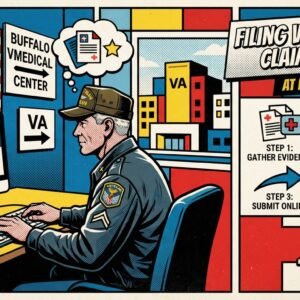
Documentation Needed: Accurate documentation is a critical component of the application process. Veterans are required to submit various forms, including the VA Form 21-526EZ, which initiates the claim for disability compensation. Supporting documents such as service records, medical treatment records, and any existing disability rating decisions should accompany this form. Comprehensive medical evidence is particularly vital, as it substantiates the claim by detailing the extent of the disability and its impact on daily functioning and employment capability.
It is essential for veterans to ensure all information provided is accurate and complete to avoid delays in processing. Filing errors or missing documentation can result in denied claims or prolonged communication with the VA. Therefore, seeking assistance from qualified representatives or veteran service organizations can augment the chances of a successful and timely application.
Common Misconceptions About 100% VA Disability
Understanding the complexities surrounding 100% VA disability compensation is crucial for veterans seeking information about their rights and benefits. One of the most prevalent misconceptions is that receiving a 100% disability rating guarantees unlimited benefits without any limitations or other qualifications. In reality, while a 100% disability rating does ensure a higher level of financial compensation, it does not automatically provide access to all resources available to veterans. It is important for veterans to understand the specifics of what is available to them, related to education, home loans, and healthcare.
Another common myth is that veterans with a 100% disability rating are automatically entitled to additional benefits for their families. While some benefits may extend to dependents, this depends on various factors including the nature of the disability and the specific VA programs available at the time. Additionally, misinformation can suggest that veterans need to avoid employment completely to sustain their disability rating. This is misleading, as veterans rated at 100% may engage in limited work opportunities without jeopardizing their compensation, provided their earnings remain below a certain threshold.
Moreover, many people assume that all veterans who acquire 100% disability ratings are physically incapacitated and unable to lead fulfilling lives. This stereotype disregards the diversity of mental health challenges affecting many veterans, which can equally qualify them for a 100% disability rating. Understanding this nuance is critical for both veterans and the public to foster a more accurate representation of 100% VA disability rated individuals. Awareness of these misconceptions will empower veterans and aid them in navigating the VA system more effectively, ultimately leading to greater satisfaction and accessibility of benefits they rightly deserve.
Resources for Veterans and Their Families
Veterans and their families have access to various resources to help them navigate the complexities of VA disability compensation and other related benefits. Understanding these available resources is crucial for maximizing the support that veterans can receive. Below are some valuable resources that can assist veterans and their dependents in comprehending their rights and benefits under the VA system.
The United States Department of Veterans Affairs (VA) is the primary resource for veterans. The official website, www.va.gov, provides in-depth information regarding disability compensation, including eligibility criteria, application processes, and the latest updates on benefits. Veterans can also find links to local VA hospitals and clinics, as well as regional offices for additional assistance.
Another invaluable resource is the National Veterans Service Organizations (VSOs). These organizations, such as the American Legion, the Veterans of Foreign Wars (VFW), and Disabled American Veterans (DAV), offer free assistance with claims, as well as advocacy on behalf of veterans. These VSOs have trained representatives who are well-versed in the intricacies of VA benefits, which can significantly help in the claims process.
For more personalized support, veterans may want to reach out to state-specific resources. Each state has a dedicated Department of Veterans Affairs that can provide tailored assistance, resources on local benefits, and connections to community support services. A comprehensive list of state offices can be found on the VA website, making it easy for veterans to locate their nearest support channel.
Lastly, the Veterans Crisis Line offers immediate assistance to veterans in crisis, providing confidential support 24/7. Veterans and their families can call 1-800-273-8255 and press 1, or text 838255 for help. By utilizing these resources, veterans and their families can better understand their VA benefits and ensure they receive the compensation and support they are entitled to.


🇺🇸 IMPORTANT DISCLAIMER – Veterans Benefits Information
This site provides general information about U.S. Department of Veterans Affairs (VA) benefits for educational and informational purposes only.
- Not Official: We are NOT affiliated with, endorsed by, or connected to the U.S. Department of Veterans Affairs (VA), the Veterans Benefits Administration (VBA), the Veterans Health Administration (VHA), or any other government agency.
- No Legal/Financial Advice: The content on this website is for informational purposes only and does not constitute legal, financial, or medical advice. VA benefits rules change frequently – always consult with an accredited Veterans Service Officer (VSO) or a qualified professional for your specific situation.
- Official Sources: For official, binding information and to apply for benefits, always visit official .gov websites: VA.gov, Benefits.VA.gov, or SSA.gov.
- No Data Collection: This site does not collect, store, or process any personal information. It does not have login forms, contact forms, or any system to capture user data. We never ask for your Social Security Number, bank details, or any personal information.
- 🚨 Scam Alert: The VA and other government agencies never charge fees for benefit applications. If anyone asks for money to "process" your VA claim, it is a scam. Report it to the VA Office of Inspector General at VA.gov/OIG.
- Advertising: This site uses third-party advertising (Adsterra) to cover operational costs. We do not endorse or guarantee any products or services advertised.
📌 Information provided as of June 2026. Always verify current eligibility and rules with official .gov sources.
This site is not affiliated with the U.S. Department of Veterans Affairs or any government agency. All information is for educational purposes only. Please visit VA.gov for official information.
