

Introduction to VA IRRRL Program
The VA IRRRL, or Interest Rate Reduction Refinance Loan, represents a beneficial financial tool designed specifically for veterans and active-duty military personnel. This refinancing option aims to assist eligible service members in lowering their existing mortgage interest rates, ultimately reducing their monthly financial obligations. By focusing on the refinancing of an existing VA home loan, the program allows qualified borrowers to maintain their favorable eligibility under the VA loan benefits.
The primary purpose of the VA IRRRL program is to make homeownership more affordable for veterans, particularly in times of fluctuating interest rates. Through this initiative, borrowers can refinance previous VA loans with a lower interest expense, enabling them to free up funds for other essential expenditures, or simply to enjoy the peace of mind that comes with reduced financial pressure. This program is characterized by minimal documentation requirements and streamlined processes, making it a more accessible option compared to other refinancing methods.

This initiative is specifically designed for those who already possess a VA-backed home loan, thereby encouraging service members to take advantage of their benefits while offering a straightforward solution to manage their mortgage. The streamlined nature of the VA IRRRL means that eligible veterans can enjoy a blend of convenience and reduced costs, maximizing their financial health over the long term.

Overall, the VA IRRRL program showcases the government’s commitment to supporting veterans and their families in achieving sustainable homeownership. By providing an opportunity to refinance at potentially lower rates, the program signifies a valuable resource that can significantly influence a borrower’s financial trajectory.
Key Features of the VA IRRRL Enhancement Program
The VA Interest Rate Reduction Refinance Loan (IRRRL) Enhancement Program serves as a valuable resource for veterans and active-duty service members seeking financial relief through refinancing. This program simplifies the refinancing process, making it easier for borrowers to transition into a more favorable loan situation. One of its standout features is the reduced documentation requirements. Unlike traditional refinancing options that demand extensive paperwork, the IRRRL program allows veterans to access streamlined documentation, minimizing the time and effort required for the application.
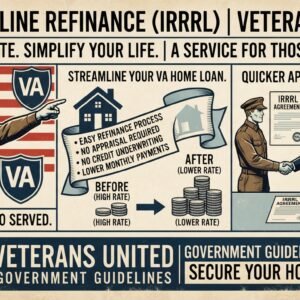
Another significant advantage of the VA IRRRL Enhancement Program is the waiver of appraisal requirements. In typical refinancing, an appraisal is often needed to establish the property’s current market value. However, under the IRRRL program, veterans can bypass this step, expediting the refinance process. This feature not only saves borrowers time but also reduces costs associated with appraisals, making it a financially sound option for many veterans.
Additionally, the VA IRRRL program stipulates a low funding fee of only 0.5%, which represents a departure from conventional refinancing programs that usually impose higher fees. This nominal fee further encourages participants, allowing veterans to take advantage of lower interest rates without a heavy financial burden. Furthermore, qualifying for the VA IRRRL program is relatively straightforward. This accessibility is vital, given the unique circumstances many veterans face. They specifically cater to those who currently hold a VA loan and wish to reduce their interest rate, effectively easing monthly payment obligations.
Veterans May Qualify for Extra Benefits
Check available financial assistance, healthcare programs and other opportunities that may apply to you.
Check EligibilityIn summary, the VA IRRRL Enhancement Program stands out due to its essential features, including simplicity in documentation, the elimination of appraisals, and a modest funding fee that prioritizes affordability. This program is designed explicitly to support veterans in achieving optimal financial outcomes and easing their transitioning homeownership journey.
Eligibility Requirements for VA IRRRL
The VA Interest Rate Reduction Refinance Loan (IRRRL) program is designed to assist veterans in refinancing their existing VA loans to secure better interest rates and more favorable loan terms. To qualify for the VA IRRRL, certain eligibility criteria must be met to ensure that the process benefits veterans significantly.
First and foremost, it is essential that applicants are refinancing an existing VA loan. One of the primary eligibility requirements is that the previous VA loan must be current, meaning that the borrower is not overdue on any payments. This stipulation emphasizes the importance of fiscal responsibility among veterans who wish to take advantage of the IRRRL program.
Additionally, there must be a demonstrable net tangible benefit to the borrower from refinancing their VA loan. This is usually indicated by a decrease in the interest rate on the new loan or a switch from an adjustable-rate mortgage to a fixed-rate mortgage. Essentially, the new loan must offer improved conditions that ultimately lead to reduced monthly payments and overall loan costs for the borrower. The VA does not specify a minimum decrease in interest rates, yet lenders often follow a general guideline of at least a 0.5% reduction to qualify.
Furthermore, veterans must verify their eligibility through a Certificate of Eligibility (COE), which serves as proof that they meet the service requirements for VA loan benefits. This certificate is vital for lenders as it confirms that the veteran has discharged their service obligations satisfactorily and is entitled to VA loan benefits.
In conclusion, understanding these eligibility requirements is crucial for veterans considering refinancing through the VA IRRRL Enhancement Program. By adhering to these criteria, veterans can effectively leverage this program to enhance their financial circumstances.
Benefits of Refinancing with VA IRRRL
The VA Interest Rate Reduction Refinance Loan (IRRRL) presents numerous advantages that can significantly enhance the financial standing of veterans, service members, and eligible surviving spouses. One of the primary benefits of refinancing through the VA IRRRL is the potential for reduced monthly payments. With historically low-interest rates, veterans can secure a lower rate than what they currently have, which leads to immediate savings on their monthly budget. This reduction can be particularly beneficial for families managing various expenses and seeking more comprehensive financial stability.
Additionally, the VA IRRRL can decrease the overall loan costs associated with a mortgage. Unlike traditional refinancing options, the IRRRL streamlines the process, allowing veterans to refinance without the burden of appraisal fees or extensive underwriting. This can result in notable savings over the life of the loan, as the costs associated with refinancing are typically lower, and the fees can often be wrapped into the new loan amount.
Another notable benefit is the opportunity to convert an adjustable-rate mortgage (ARM) into a fixed-rate mortgage. With market fluctuations becoming increasingly unpredictable, switching to a fixed-rate loan can provide borrowers with peace of mind regarding their monthly payments. As interest rates rise, having a fixed rate ensures that the monthly obligation remains stable, protecting homeowners from future interest rate hikes and providing long-term financial predictability.
Furthermore, the VA IRRRL program has a relatively straightforward qualification process, making it more accessible to veterans looking to improve their loan circumstances. This ease of access can empower veterans to enhance their financial situations effectively without the complexities that often accompany traditional refinancing. Overall, the VA IRRRL offers an array of benefits that not only simplify refinancing but also contribute positively to the borrowers’ financial well-being.
Process of Refinancing Through VA IRRRL
The VA Interest Rate Reduction Refinance Loan (IRRRL) program offers veterans an opportunity to secure a lower interest rate on their existing VA loans. The steps involved in the refinancing process through the VA IRRRL program are straightforward but require careful attention to detail. Understanding these steps can help simplify the refinancing journey.
Initially, the borrower should gather all necessary documentation. This typically includes current loan statements, a Certificate of Eligibility (COE), and proof of income. The COE is particularly important as it proves the borrower’s eligibility for the VA benefits. It is advisable to have these documents organized and ready before reaching out to lenders, as this can expedite the process.
Once the documentation is compiled, the next step is to contact approved lenders who participate in the VA IRRRL program. It is critical for borrowers to compare quotes and terms from multiple lenders to ensure they secure the best possible interest rate. Selecting a lender experienced with the VA IRRRL process can make a significant difference in navigating the paperwork and understanding the guidelines.
After choosing a lender, borrowers will need to submit the required paperwork, which typically includes the gathered documentation along with any additional forms the lender may request. These forms will demonstrate the borrower’s existing loan details and intentions for refinancing. Most lenders have streamlined processes for VA IRRRLs, which may allow for a less rigorous credit check compared to conventional refinancing options.
It is essential for borrowers to stay in communication with their lender during this stage to ensure that any additional paperwork or clarifications needed are provided promptly. Overall, ensuring each of these steps is carefully followed will facilitate a smoother refinancing process through the VA IRRRL program.
Comparing VA IRRRL to Other Refinance Options
When considering refinancing options, it is essential to compare the VA Interest Rate Reduction Refinancing Loan (IRRRL) program with other conventional and government-backed refinance alternatives. The VA IRRRL program offers unique advantages tailored specifically for veterans, which can significantly improve their financial situation.
One of the primary benefits of the VA IRRRL is that it requires no appraisal, unlike many conventional refinancing options. This circumvents the need for potentially costly appraisals, which are often required for conventional loans. Additionally, the VA IRRRL program does not mandate a credit underwriting process, making it easier and faster for veterans to secure financing when compared to conventional refinances where credit scores and income verification can be barriers.
In contrast to other government-backed refinance programs such as FHA or USDA loans, the VA IRRRL allows veterans to refinance even if they have little to no equity in their home, as long as they were in good standing on their previous VA loan. This flexibility is distinct among refinance options and showcases the VA’s commitment to supporting active duty and retired service members.
Another advantage of the VA IRRRL program is the competitive interest rates often available, which can lead to substantial long-term savings. Veterans can also benefit from the provision of no funding fee in specific circumstances, further reducing the costs associated with refinancing. These benefits align well with the overall mission of the VA to provide affordable mortgage options for veterans.
Overall, while conventional refinancing and other programs can offer various benefits, the unique characteristics of the VA IRRRL program set it apart, making it the preferred choice for many veterans seeking a streamlined refinancing process.
Considerations Before Refinancing Your VA Loan
Refinancing a Veterans Affairs (VA) loan can be an advantageous move for veterans seeking to optimize their financial situation. However, it is crucial to evaluate several factors prior to making this decision. One of the foremost aspects to consider is the current interest rate environment. If prevailing rates are significantly lower than your existing rate, refinancing may lead to substantial savings on monthly payments and total interest over the life of the loan.
Another essential factor is the amount of time you plan to remain in your home. If you anticipate moving within a short period, the costs associated with refinancing, including closing costs and other fees, may outweigh the benefits. Generally, experts suggest that if you plan to stay in your home for at least five to seven years, refinancing could prove beneficial, as it allows sufficient time to recoup costs and enjoy lower monthly payments.
Personal financial circumstances play a pivotal role in the decision-making process. Assessing your overall financial health—including your credit score, debt-to-income ratio, and job stability—will provide insight into your ability to qualify for better terms. For instance, a higher credit score could secure you a lower interest rate, enhancing the potential benefits of refinancing.
It is also pertinent to consider your current monthly budget and any significant changes that may impact your finances in the near future, such as job changes, impending major expenses, or family obligations. Understanding the interplay between these dynamics and the potential benefits of refinancing will better equip you to make an informed decision. By weighing these considerations thoughtfully, veterans can determine if refinancing their VA loan through the VA IRRRL enhancement program is the right choice for their financial future.
Common Misconceptions About VA IRRRL
The VA Interest Rate Reduction Refinance Loan (IRRRL) program is a popular option among veterans seeking to lower their mortgage rates and monthly payments. However, several misconceptions surround this program, which may deter eligible individuals from taking advantage of it. Understanding the truth behind these myths is crucial for informed decision-making.
One of the prevalent myths regarding VA IRRRL is the assumption that it involves significant costs. Some potential applicants believe they will face high closing costs when refinancing their loans; however, the VA typically allows for the inclusion of these costs in the new loan amount. Moreover, many lenders may offer low or no closing costs for VA IRRRLs, making the process more financially accessible.
Another common misconception pertains to eligibility. Many veterans think they are ineligible if they have previously defaulted on their loans. In reality, the VA IRRRL is designed to assist veterans in securing better loan terms, and past defaults do not automatically disqualify them. Additionally, this program is available to veterans currently holding a VA-backed loan who wish to refinance to a lower interest rate or obtain a more favorable loan structure.
Some individuals also believe that a credit check is mandatory for the VA IRRRL program, which can discourage them from applying. While lenders typically perform credit checks as part of their underwriting process, the VA does not impose strict credit score requirements. The focus of the IRRRL program is primarily on the veteran’s current loan situation rather than their credit history. As a result, veterans with credit concerns may still qualify for this valuable refinancing opportunity.
In summary, debunking these common misconceptions about the VA IRRRL program is essential for veterans contemplating refinancing. By clarifying misunderstandings regarding costs, eligibility, and credit requirements, more veterans can benefit from this straightforward and effective refinancing route.
Conclusion: Is Now the Right Time to Refinance?
Refinancing a VA loan through the VA IRRRL Enhancement Program is a significant decision that can lead to considerable financial savings. Throughout the discussion, several key points have been elucidated regarding the benefits and considerations of utilizing this program. Firstly, the VA IRRRL (Interest Rate Reduction Refinance Loan) is primarily designed for veterans who already have a VA-backed loan, allowing them to secure a lower interest rate with minimal documentation and no out-of-pocket expenses in most cases. This makes it an attractive option for many veterans seeking to reduce their monthly payments.
Moreover, the program is advantageous because it often bypasses the need for a credit score assessment and appraisal, expediting the refinancing process. This feature particularly benefits veterans who may not have a strong credit history or who wish to avoid additional costs. It is essential, however, to analyze your current loan terms critically. If you are already enjoying a low interest rate on your VA loan, refinancing might not yield substantial savings.
Veterans should also take into account their long-term goals. For instance, if planning to stay in their home for just a few more years, the cost associated with refinancing might overshadow any potential savings. Additionally, evaluating the housing market conditions is crucial—if rates are expected to rise, acting sooner may be beneficial. In conclusion, veterans should assess their unique financial situation, consider current and future plans, and weigh the advantages against potential drawbacks. Consulting with a mortgage professional well-versed in VA loans can provide tailored insights, ultimately helping veterans make an informed decision about whether now is the right time to refinance their VA loan through the IRRRL enhancement program.


🇺🇸 IMPORTANT DISCLAIMER – Veterans Benefits Information
This site provides general information about U.S. Department of Veterans Affairs (VA) benefits for educational and informational purposes only.
- Not Official: We are NOT affiliated with, endorsed by, or connected to the U.S. Department of Veterans Affairs (VA), the Veterans Benefits Administration (VBA), the Veterans Health Administration (VHA), or any other government agency.
- No Legal/Financial Advice: The content on this website is for informational purposes only and does not constitute legal, financial, or medical advice. VA benefits rules change frequently – always consult with an accredited Veterans Service Officer (VSO) or a qualified professional for your specific situation.
- Official Sources: For official, binding information and to apply for benefits, always visit official .gov websites: VA.gov, Benefits.VA.gov, or SSA.gov.
- No Data Collection: This site does not collect, store, or process any personal information. It does not have login forms, contact forms, or any system to capture user data. We never ask for your Social Security Number, bank details, or any personal information.
- 🚨 Scam Alert: The VA and other government agencies never charge fees for benefit applications. If anyone asks for money to "process" your VA claim, it is a scam. Report it to the VA Office of Inspector General at VA.gov/OIG.
- Advertising: This site uses third-party advertising (Adsterra) to cover operational costs. We do not endorse or guarantee any products or services advertised.
📌 Information provided as of June 2026. Always verify current eligibility and rules with official .gov sources.
This site is not affiliated with the U.S. Department of Veterans Affairs or any government agency. All information is for educational purposes only. Please visit VA.gov for official information.
