

What is VA Disability Compensation?
VA Disability Compensation is a vital monetary benefit offered by the Department of Veterans Affairs (VA) to veterans who have incurred disabilities as a direct result of injuries or illnesses sustained during their military service. This program is designed to provide financial support to veterans who are experiencing a reduction in their ability to earn a living due to their service-connected disabilities. Eligibility for this benefit is based on various factors, including the severity of the disability, the individual’s military service record, and the nexus between the service and the condition.
The importance of VA Disability Compensation cannot be overstated. It serves as a crucial financial lifeline for many veterans and their families, helping to alleviate the financial burden that can accompany disability. This compensation assists with day-to-day expenses such as housing, medical treatments, and rehabilitation. For families, this benefit is often essential in maintaining a stable lifestyle when a veteran is unable to work due to their service-related disabilities. The emotional and psychological impacts of military service can also lead to conditions such as PTSD, which are recognized by the VA and can qualify veterans for compensation.

Moreover, VA Disability Compensation also plays a role in recognizing and compensating the sacrifices made by veterans during their service. It reflects the nation’s commitment to caring for those who have served in the armed forces. As such, understanding the VA Disability Compensation process is critical for veterans seeking to access these benefits, which ultimately aim to improve their quality of life after military service.
Who Qualifies for VA Disability Compensation?

The eligibility for VA disability compensation is predicated on several key factors, primarily surrounding the service connection of the applicant’s disability. To qualify, veterans must demonstrate that they suffer from a disability incurred or aggravated during active military service. This service connection is a fundamental requirement, as it establishes the link between the veteran’s military duties and their current health issues.
There are two principal categories of qualifying disabilities: physical and mental. Physical disabilities encompass a wide range of conditions, including injuries sustained in combat, chronic illnesses arising from exposure to hazardous substances, and conditions resulting from accidents or conditions while on duty. Mental disabilities may include disorders such as post-traumatic stress disorder (PTSD), depression, anxiety, and other psychological challenges that stem from military service experiences. It is important for veterans to accurately report their conditions during the application process, as specific diagnosis and symptoms play a crucial role in determining eligibility.
A critical aspect of the qualification process involves the necessity for robust medical documentation. Veterans must provide comprehensive evidence supporting their claims, which generally includes medical records, service treatment records, and documentation of ongoing care. It is advisable for veterans to collaborate closely with healthcare providers to ensure that all relevant documentation is accurately compiled. This documentation serves not only as proof of the existence of a disability but also as evidence of its connection to their military service.
In conclusion, understanding the criteria for VA disability compensation eligibility is essential for veterans seeking benefits. By ensuring that they have a clear service connection and adequate medical documentation for either physical or mental disabilities, veterans can effectively navigate the application process and secure the support they deserve.
Understanding Service Connection
Veterans May Qualify for Extra Benefits
Check available financial assistance, healthcare programs and other opportunities that may apply to you.
Check EligibilityService connection is a critical concept in the context of VA disability compensation, as it establishes the relationship between a veteran’s disability and their military service. To be eligible for VA disability benefits, veterans must demonstrate that their injuries or health conditions are connected to their time in the armed forces. This process involves proving that the disability occurred or was aggravated during active military duty.
There are two primary types of service connections that veterans can claim: direct and secondary. A direct service connection occurs when a veteran experiences an injury or illness while actively serving in the military. For example, if a soldier sustains a knee injury during a training exercise, they may file a claim for a direct service-connected disability. The VA requires sufficient evidence, such as medical records and military service documentation, to substantiate this connection.
On the other hand, a secondary service connection arises when a veteran develops a disability that is a consequence of an already established service-connected condition. For instance, a veteran with a service-connected back injury may later develop related complications, such as chronic pain or mobility issues, stemming from this original condition. In such cases, the veteran must provide medical evidence to link the secondary condition to the primary service-connected disability.
Establishing service connection is essential not only for accessing benefits but also for ensuring that veterans receive the appropriate care and support needed to manage their disabilities. The requirements can be complex and often necessitate consultation with a VA representative or legal expert to navigate the process effectively. Understanding the nuances of direct versus secondary service connections can significantly impact the outcomes for veterans seeking disability compensation.
The VA Disability Ratings System
The U.S. Department of Veterans Affairs (VA) employs a comprehensive Disability Ratings System to determine the level of compensation that veterans may receive for service-connected disabilities. This system plays a crucial role in ensuring veterans are compensated fairly based on the impact of their disabilities on daily functioning and overall quality of life.
To assign a disability rating, the VA evaluates the severity of a veteran’s condition in terms of its impact on their ability to work and perform daily activities. The evaluation process typically involves a thorough review of medical records, a physical examination, and assessments performed by qualified medical professionals. This ensures that all relevant information is considered in determining the appropriate rating.
The VA disability rating schedule is detailed in 38 CFR Part 4, which outlines diagnostic codes corresponding to various medical conditions and their associated impairment levels. Each condition has its own criteria for evaluation, which may involve specific symptoms, their frequency, and the degree to which they inhibit the veteran’s functionality. Ratings can range from 0% to 100%, reflecting varying levels of impairment affected by the condition. A higher rating correlates with more severe disability and, consequently, a higher monthly compensation amount.
Understanding the significance of these ratings is essential for veterans seeking to navigate the system. A rating of 100% signifies total impairment, while lower ratings indicate varying degrees of disability. It is important for veterans to accurately report their symptoms and how these affect their lives to achieve a fair evaluation. Ultimately, the VA Disability Ratings System is designed to ensure veterans receive appropriate compensation that reflects their unique circumstances and health challenges.
Benefits of VA Disability Compensation
VA disability compensation provides a range of critical benefits designed to support veterans who have incurred injuries or illnesses during or as a result of military service. One of the primary benefits is financial assistance, which is awarded monthly to eligible veterans. This compensation helps cover living expenses and alleviate the financial burdens associated with disabilities, enabling veterans to focus on their rehabilitation and recovery.
In addition to financial aid, veterans enrolled in the VA disability compensation program can access various healthcare services. This includes treatment for service-connected conditions, routine medical care, mental health support, and specialized rehabilitation services. Through the Veterans Health Administration (VHA), veterans can obtain comprehensive healthcare tailored to their unique needs. Timely and appropriate medical treatment plays a crucial role in enhancing the overall well-being of veterans, allowing them to lead fulfilling lives.
Vocational training is another invaluable benefit offered under VA disability compensation. Eligible veterans can participate in job training programs that equip them with the skills needed for successful reintegration into the civilian workforce. This training not only facilitates gaining meaningful employment but also boosts the confidence and independence of veterans, helping them to establish productive lives post-service.
Moreover, the VA disability compensation program extends its support to dependents of veterans as well, providing additional resources to family members affected by the veteran’s disability. This comprehensive approach recognizes the significant impact that service-related injuries and illnesses can have on a veteran’s family and aims to provide the necessary support for their well-being.
How to Gather Evidence for Your Claim
When filing a VA disability claim, the significance of evidence cannot be overstated. Evidence serves as the foundation for establishing a veteran’s eligibility for benefits and substantiating the severity of their disability. Without adequate evidence, claims can be denied or delayed, making it crucial to gather and present the right documents effectively.
The primary type of evidence required in a VA disability claim includes medical records, which document the diagnosis and treatment of the veteran’s condition. These records should explicitly illustrate how the disability relates to both the veteran’s military service and current health status. Veterans can obtain their medical records from VA healthcare facilities or private practitioners who have provided treatment.
In addition to medical documentation, statements from witnesses—such as family members, friends, or fellow service members—can bolster a claim. These statements provide personal accounts of how the disability affects daily life and functioning, offering a more comprehensive view of the veteran’s circumstances. It’s recommended that these testimonials be detailed and signed to lend credibility.
Service records are another critical piece of evidence. They verify the individual’s military service, including any incidents or deployments that may have contributed to their current condition. Veterans can request these records through the National Archives or the VA.
To streamline the submission process, it is advisable to organize all gathered evidence systematically. Veterans should create a comprehensive checklist of required documents and categorize them accordingly. This preparation not only simplifies the submission process but also ensures that no critical evidence is overlooked. Finally, consider consulting with a VA representative or legal expert to review the assembled evidence before submission, ensuring the claim is as robust as possible.
The Application Process for VA Disability Compensation
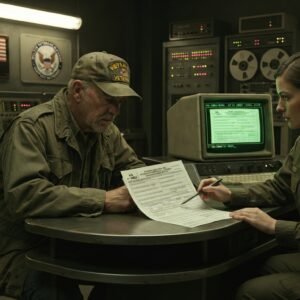
Applying for VA disability compensation is a structured process designed to assist veterans in receiving the benefits they are entitled to. The first step is to gather all necessary documentation to support your claim. This includes your service records, medical records, and a record of any treatment received for service-related conditions. Collecting accurate and thorough documentation is essential as it serves as the foundation for your application.
Once you have gathered the necessary documents, the next step is to fill out the VA Form 21-526EZ, which is the primary application for disability compensation benefits. This form can be completed online through the VA’s website or downloaded and submitted by mail. Ensure that the form is filled out completely and accurately to avoid any delays in processing your application.
After completing the form, submit it along with any evidence that supports your claim to the appropriate VA regional office. You can find the correct office through the VA’s online locator tool. It is advisable to keep copies of all documents sent to the VA for your records.
Following the submission of your application, the VA will review the claim and may request additional information or medical examinations, known as Compensation & Pension exams, to evaluate the severity of your conditions. It is crucial to respond promptly to any requests from the VA to ensure your application is processed without unnecessary delays.
After the review process, you will receive a decision regarding your claim. If your claim is approved, you will be informed about the benefits you will receive. Conversely, if denied, you have the right to appeal the decision, which involves additional paperwork and may require a formal hearing.
Appealing a VA Disability Claim Decision
When a veteran’s claim for disability compensation is denied, it can be disheartening. However, it is important to understand that a denial is not the end of the road; veterans have the right to appeal the decision. The appeals process for a VA disability claim consists of several stages, which can vary based on the specifics of the case.
The first step in appealing a denial is to file a Notice of Disagreement (NOD), typically within one year of receiving the decision. The NOD notifies the VA that the veteran intends to challenge the decision. It’s essential to provide adequate evidence and a clear explanation of why the claim should be reconsidered. Following the filing of the NOD, veterans may opt for either a Review Officer (also known as a Decision Review Officer, or DRO) review or the traditional appeals process through the Board of Veterans’ Appeals (BVA).
After the NOD, the VA will review the case again. If the veteran chooses the BVA route, it often requires more time, but it may also provide a more formal review. Throughout the appeals process, keeping a detailed record and any correspondence with the VA is critical, helping to establish timelines and maintain clarity regarding the case.
There are established time limits for filing appeals. If a veteran initially received a decision and does not file an NOD within one year, that decision becomes final. Timeliness is crucial; thus, veterans should be aware of these critical deadlines. To enhance the chances of a successful appeal, veterans should gather supporting documents such as medical records, personal statements, and other evidence to substantiate their claims further. In addition, consulting with veteran service organizations or legal experts can provide valuable guidance throughout the appeal process.
Additional Resources and Support for Veterans
As veterans navigate the intricate process of VA disability compensation, a wealth of resources is available to assist them. Understanding the complexities of eligibility, benefits, and applications can be daunting, but with the right support, veterans can find the guidance needed to secure their rightful benefits.
One of the most invaluable resources is the Veterans Benefits Administration (VBA). The VBA provides extensive information on disability claims, appeals, and comprehensive benefits through their official website, benefits.va.gov. Here, veterans can access the necessary forms and learn about the types of disabilities covered under the compensation program.
Local Veteran Service Organizations (VSOs) offer personalized support and guidance to veterans seeking compensation. Organizations such as the American Legion, Veterans of Foreign Wars (VFW), and Disabled American Veterans (DAV) have representatives who specialize in helping veterans submit their claims and navigate the appeals process. These organizations are often staffed by veterans themselves who understand the marine of overcoming disabilities.
For immediate assistance, veterans can reach out to the National Veterans Crisis Line at 1-800-273-8255. This helpline, available 24/7, offers confidential support to veterans in crisis or those in need of emotional assistance. Furthermore, the line connects veterans to resources tailored specifically for their situation.
Additionally, many states have their own resources specifically designed for veterans. State veteran affairs offices can provide information on local benefits and state-specific programs. Veterans can locate their nearest office through the National Association of State Directors of Veterans Affairs website, which is highly informative.
By leveraging these resources, veterans can receive not only the necessary information but also emotional and practical support throughout their journey to securing VA disability compensation. Knowing where to turn for help is essential, and these resources play a crucial role in empowering veterans.
🇺🇸 IMPORTANT DISCLAIMER – Veterans Benefits Information
This site provides general information about U.S. Department of Veterans Affairs (VA) benefits for educational and informational purposes only.
- Not Official: We are NOT affiliated with, endorsed by, or connected to the U.S. Department of Veterans Affairs (VA), the Veterans Benefits Administration (VBA), the Veterans Health Administration (VHA), or any other government agency.
- No Legal/Financial Advice: The content on this website is for informational purposes only and does not constitute legal, financial, or medical advice. VA benefits rules change frequently – always consult with an accredited Veterans Service Officer (VSO) or a qualified professional for your specific situation.
- Official Sources: For official, binding information and to apply for benefits, always visit official .gov websites: VA.gov, Benefits.VA.gov, or SSA.gov.
- No Data Collection: This site does not collect, store, or process any personal information. It does not have login forms, contact forms, or any system to capture user data. We never ask for your Social Security Number, bank details, or any personal information.
- 🚨 Scam Alert: The VA and other government agencies never charge fees for benefit applications. If anyone asks for money to "process" your VA claim, it is a scam. Report it to the VA Office of Inspector General at VA.gov/OIG.
- Advertising: This site uses third-party advertising (Adsterra) to cover operational costs. We do not endorse or guarantee any products or services advertised.
📌 Information provided as of June 2026. Always verify current eligibility and rules with official .gov sources.
This site is not affiliated with the U.S. Department of Veterans Affairs or any government agency. All information is for educational purposes only. Please visit VA.gov for official information.
