

Introduction to Vietnam Veterans in South Dakota
The Vietnam veterans community in South Dakota represents a significant segment of the state’s population, comprising individuals who have experienced the complexities of war. These veterans, who served during one of the most tumultuous periods in American history, have unique stories shaped by their experiences both in combat and their subsequent reintegration into civilian life.
Demographically, the Vietnam veterans in South Dakota reflect a diverse array of backgrounds, but they share a common bond formed through their military service. Many veterans hail from rural areas, reflecting the state’s largely agricultural communities. Despite the strain of wartime experiences, these individuals have contributed to the economic, social, and cultural fabric of South Dakota.

Historically, Vietnam veterans faced numerous challenges upon their return from service, including a lack of recognition and support. Initially met with indifference or disdain, many veterans struggled to find their place in society. Over the years, however, there has been a growing acknowledgment of their sacrifices, culminating in various support programs and initiatives aimed at improving the lives of these individuals.

Contributions to the local communities are evident, as many Vietnam veterans have become active members of their neighborhoods. They have participated in local governance, engaged in community service, and have formed veterans’ organizations that foster camaraderie and support. Through these efforts, they not only honor their service but also work to cultivate a sense of cohesion and understanding among their peers and the wider community.
Understanding the Vietnam veterans residing in South Dakota provides critical insight into their ongoing challenges and triumphs. By examining their demographics, history, and contributions, we can begin to appreciate the unique experiences that shape this remarkable community.
History of the Vietnam War Impact on South Dakota
The Vietnam War, which lasted from 1955 to 1975, had a profound impact not just on the nation as a whole but also specifically on the state of South Dakota. As the conflict escalated, many South Dakotans were drafted or enlisted, contributing to the more than 58,000 American lives lost in the war. This engagement left deep scars on the veterans and the communities they returned to.
In South Dakota, the Vietnam War era was marked by significant local involvement, particularly among the state’s Native American population. Many members of the Lakota Sioux Nation served in combat roles, often facing unique challenges as they transitioned back into civilian life after their military service. The war further strained socio-economic conditions in various communities, compelling veterans to grapple with not only physical injuries but also psychological challenges such as Post-Traumatic Stress Disorder (PTSD).
Veterans May Qualify for Extra Benefits
Check available financial assistance, healthcare programs and other opportunities that may apply to you.
Check EligibilityLocal memorials and events across the state stand as testaments to the sacrifices made by these veterans. For instance, when the South Dakota Vietnam Veterans Memorial was established in Pierre, it served as a meaningful homage to those who served and did not return. It has since been a place for healing and remembrance for families and fellow veterans.
Moreover, the Vietnam War sharply affected how veterans were treated upon their return. Unlike previous conflicts, many soldiers faced backlash and indifference from the public, which compounded their struggles. However, gradual awareness and advocacy have led to improved support systems, with organizations emerging to provide assistance and resources tailored to the needs of South Dakota veterans and their families.
The long-lasting ramifications of the Vietnam War on South Dakota underscore the importance of understanding the historical context of this conflict. By exploring its effects on local communities, we can better comprehend the resilience shown by veterans and the ongoing efforts to address their needs.
Challenges Faced by Vietnam Veterans
The Vietnam veterans community in South Dakota faces a myriad of challenges that affect their quality of life. One of the most pressing issues is mental health, as many veterans grapple with Post-Traumatic Stress Disorder (PTSD), depression, and anxiety stemming from their experiences during the war. These mental health issues can be exacerbated by feelings of isolation and the difficulty veterans may have in discussing their experiences with those who have not shared similar circumstances.
Another significant concern for Vietnam veterans is the exposure to Agent Orange, a herbicide used during the war that has been linked to numerous health problems, including various types of cancer, diabetes, and other chronic conditions. Veterans exposed to this harmful substance often face a long and arduous battle to receive appropriate medical care and benefits, as the effects can take years to manifest and can be difficult to associate directly with military service.
Additionally, many Vietnam veterans experience physical disabilities related not only to their service but also to the aging process. Conditions such as arthritis and mobility issues can significantly hinder their ability to perform daily activities, leading to a decreased quality of life. Furthermore, veterans may encounter challenges in accessing necessary healthcare services. Geographic barriers, particularly in rural areas of South Dakota, can limit their ability to receive timely and adequate medical attention. Delays in processing VA benefits and claims can add to their frustrations, making it essential for solutions to be addressed at both the community and systemic levels.
These interwoven challenges, including mental health struggles, health complications from Agent Orange, physical disabilities, and healthcare accessibility, demand well-coordinated efforts to support the Vietnam veterans community effectively. Addressing these issues is crucial for fostering a supportive environment that acknowledges their sacrifices and assists in their reintegration into society.
Support Services Available for Veterans
South Dakota offers a variety of support services tailored to address the unique needs of Vietnam veterans. These services can play a pivotal role in assisting veterans as they reintegrate into civilian life. One of the primary resources available is counseling, which aims to provide emotional support and mental health services. Many veterans experience challenges related to post-traumatic stress disorder (PTSD) and other psychological issues stemming from their military experience. Within the state, numerous counseling centers specialize in veteran services, enabling them to find the help they need.
Healthcare is another critical aspect of veterans’ support in South Dakota. The U.S. Department of Veterans Affairs (VA) maintains medical centers and community clinics across the state. These facilities offer a range of services, including primary care, mental health treatment, and specialized care for conditions related to military service. Access to such comprehensive healthcare is vital for the overall well-being of Vietnam veterans, allowing them to manage their health effectively.
Rehabilitation programs also constitute an essential component of support services for veterans. These programs address a wide spectrum of needs, from physical rehabilitation for injuries incurred during service to vocational training that equips veterans with skills needed in the civilian workforce. By participating in these rehabilitation programs, veterans can regain independence and thrive in their post-military lives.
Furthermore, veteran organizations in South Dakota actively work to foster a sense of community among veterans. They provide social and networking opportunities that can help alleviate feelings of isolation. These organizations often host events, offer resources, and advocate for veterans’ rights and needs within the state. The synergy of these services underscores the commitment to supporting Vietnam veterans, emphasizing the importance of a robust support system for their reintegration into society.
Community Events and Engagement for Veterans
The Vietnam Veterans community in South Dakota is enriched by a variety of local events and initiatives that aim to honor and support these brave individuals. These events not only serve to recognize their sacrifices but also foster a sense of belonging among veterans and their families. Engaging with the community allows veterans to connect with one another, share their experiences, and build lasting friendships.
One of the key events is the annual Vietnam Veterans Memorial Day Ceremony, held each year at the South Dakota Vietnam Veterans Memorial. This ceremony brings together veterans, families, and the community at large to pay tribute to those who served. It features guest speakers, commemorative activities, and moments of reflection that allow participants to voice their feelings and experiences.
Another significant initiative is the Veterans Art and Music Festival. This event showcases the artistic talents of veterans from the Vietnam era and beyond, offering them a platform to express their creativity. It features art exhibitions, live music performances, and interactive workshops designed to encourage community participation while recognizing the unique talents within the veteran population.
Additionally, local organizations often host veteran support groups and social gatherings. These settings provide an informal atmosphere where veterans can share stories, discuss their post-service challenges, and receive peer support. Such initiatives are crucial in reinforcing a sense of recognition and community among Vietnam veterans.
Community outreach programs also play a vital role in facilitating engagement. Local businesses, schools, and civic organizations frequently collaborate to host events such as fundraisers, service projects, or informational sessions aimed at raising awareness about the challenges faced by veterans. These efforts remind the broader community of the importance of honoring and supporting those who have served in Vietnam.
In conclusion, community events and engagement initiatives in South Dakota create opportunities for Vietnam veterans to connect and feel valued. Through various activities and programs, these events significantly contribute to fostering a welcoming environment where veterans can thrive and reclaim their sense of identity and belonging.
Honoring Vietnam Veterans: Memorials and Ceremonies
In South Dakota, the commitment to honoring Vietnam veterans is embodied in numerous memorials and ceremonies throughout the state. These tributes serve not only as a recognition of their sacrifice during the Vietnam War but also as a way to educate the public and foster community pride. The significance of these memorials lies in their ability to provide a space for reflection and remembrance, connecting both veterans and civilians.
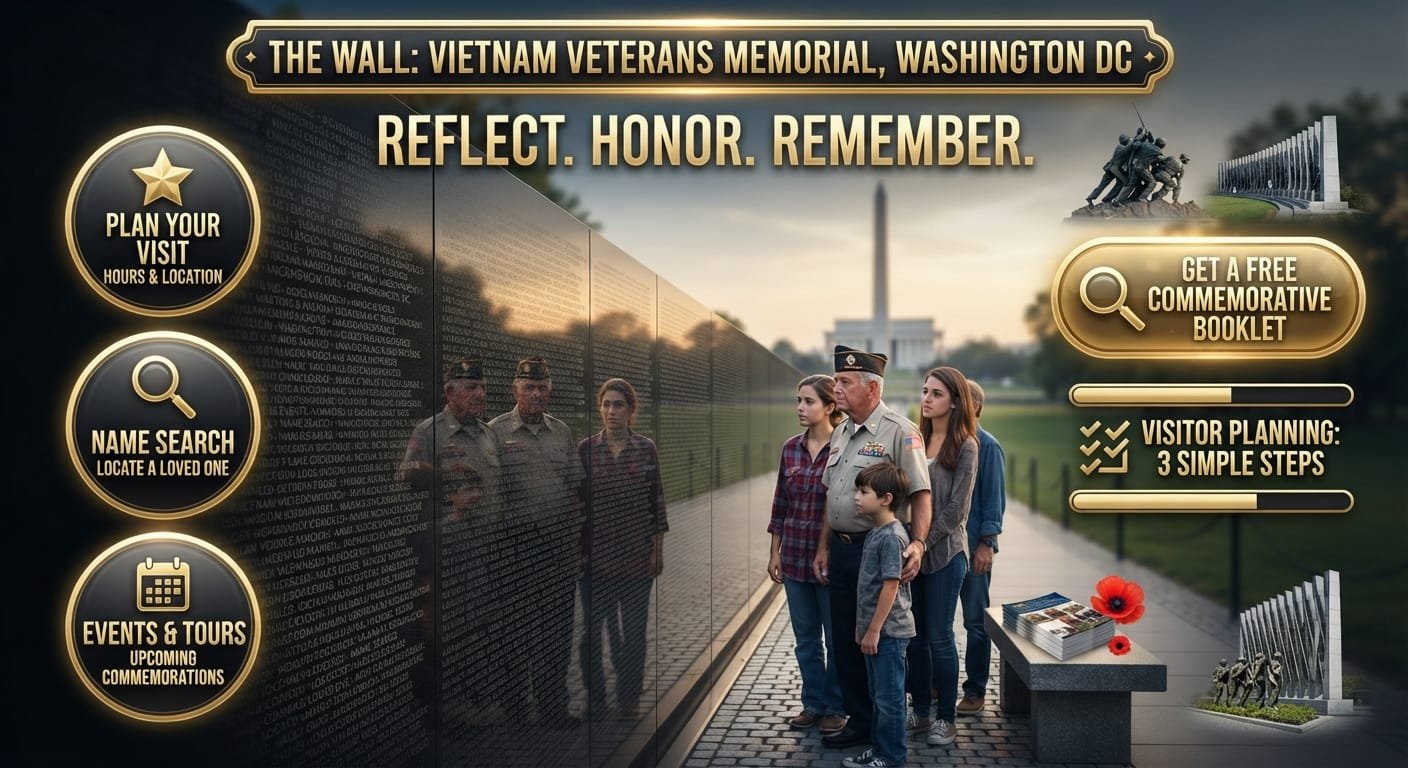
One notable memorial is the Vietnam Veterans Memorial located in Pierre. This striking monument consists of a black granite wall inscribed with the names of South Dakota residents who lost their lives or are unaccounted for during the Vietnam War. The solemnity of this space encourages visitors to engage with the history of the conflict and acknowledge the sacrifices made by fellow citizens. Additionally, the memorial features panels that outline the timeline of the war and significant events, making it an educational resource as well.
Furthermore, annual ceremonies held on Veterans Day and Memorial Day reflect the continued commitment of South Dakotans to honor these veterans. During these events, families and friends gather to pay tribute, share stories, and participate in various activities aimed at honoring the legacy of the Vietnam veterans. The ceremonies often include the laying of wreaths, the playing of taps, and moments of silence that underline the deep respect and gratitude felt by the community.
Other memorials can be found in towns such as Rapid City and Sioux Falls, where local organizations host events to celebrate the courage of Vietnam veterans. These gatherings help strengthen community bonds and serve as reminders of the ongoing impact of the Vietnam War on society. In summary, the numerous memorials and ceremonies dedicated to Vietnam veterans in South Dakota reflect both a somber acknowledgment of their sacrifices and a celebration of their enduring spirit within the community.
Personal Stories from South Dakota Veterans
The Vietnam War profoundly influenced the lives of countless individuals, and veterans from South Dakota carry unique and impactful stories that reflect their experiences. Many of these veterans have shared narratives that highlight their service, sacrifices, and the challenges they faced both during and after the war. One common theme in their stories is resilience; these veterans demonstrate a remarkable ability to overcome adversity and build fruitful lives despite the hardships endured.
Take, for instance, the account of a former soldier who served in the jungles of Vietnam. His recollections of combat vividly illustrate the fear and uncertainty that accompanied his missions. Yet, amidst the turmoil, he found camaraderie among his fellow troops, which played a pivotal role in his survival. This bonding not only provided emotional support during the war but also fostered lasting friendships that have persisted long after their return home.
Another veteran recounts his transition back to civilian life, an often-overlooked aspect of the war experience. He shares how difficult reintegration can be for veterans, citing feelings of alienation and the struggle to find purpose post-service. His narrative emphasizes the importance of community support and the role organizations in South Dakota play in aiding returning veterans. By recounting his journey, he underscores the need for understanding and resources for those who have served.
Through these powerful testimonials, we gain valuable insights into the psychological and social ramifications of the Vietnam War. South Dakota veterans have not only displayed immense bravery but have also become advocates for peace and understanding. Their stories serve as a testament to their contributions and the ongoing impact of their service on both local and national levels, reminding us of the enduring legacy of their sacrifices.
Organizations Advocating for Veterans’ Rights
Across the United States, numerous organizations are dedicated to advocating for the rights and recognition of Vietnam veterans. These organizations operate on different levels, including local, state, and national, each playing a vital role in supporting veterans and ensuring their voices are heard.
At the national level, the Vietnam Veterans of America (VVA) has been a prominent advocate since its founding in 1978. The VVA’s mission focuses on promoting the interests of Vietnam-era veterans, seeking equitable treatment, and addressing issues such as healthcare, benefits, and veterans’ rights. Through lobbying efforts and public awareness campaigns, the VVA has successfully influenced legislation that supports veteran welfare and has fostered a significant sense of community among Vietnam veterans.
On the state level, the South Dakota Department of Veterans Affairs (SDDVA) plays a crucial role in advocating for veterans in the region. This department provides resources and assistance to veterans and their families, ensuring they have access to necessary services and benefits. The SDDVA also collaborates with various local organizations to foster a supportive environment for Vietnam veterans, facilitating educational programs and community involvement opportunities.
Moreover, local organizations, such as the South Dakota Vietnam Veterans Memorial organization, work tirelessly to honor the sacrifices of Vietnam veterans while advocating for their recognition and rights. They frequently hold events and fundraising activities, aimed at raising awareness and supporting veterans’ issues. Community engagement is vital, and individuals are encouraged to participate in these activities, whether through volunteering, attending events, or donating to support the cause. Each effort contributes to a larger movement focused on elevating the status and recognition of Vietnam veterans within society.
In conclusion, various organizations across different levels serve as champions for Vietnam veterans, advocating for their rights and ensuring their sacrifices are duly recognized. Through these collective efforts, they create a supportive network that empowers veterans and connects them with invaluable resources, furthering the mission of advocacy and recognition.
Conclusion: The Ongoing Legacy of Vietnam Veterans
The Vietnam War, a significant and tumultuous period in American history, has left an indelible mark on its veterans, particularly those from South Dakota. The ongoing legacy of Vietnam veterans is multifaceted, encompassing their personal experiences, contributions to society, and the challenges they continue to face. This legacy is not just confined to the past but continues to shape the narratives of veterans today.
In South Dakota, the valor and sacrifices of Vietnam veterans are acknowledged and honored through various memorials, community events, and veteran support programs. This recognition plays a crucial role in helping veterans process their experiences and reinforces the importance of their contributions to the state and the nation. The stories and sacrifices of these veterans become essential components of local history, ensuring that future generations understand the complexities of the Vietnam War.
As we reflect on the ongoing legacy of Vietnam veterans, it is paramount to emphasize the necessity of continued support for this community. Many veterans grapple with the lasting effects of war, including physical ailments and psychological impacts. Providing accessible healthcare, mental health resources, and social support networks is essential for their well-being. Furthermore, fostering inclusive environments where veterans can share their stories is vital in strengthening community bonds and promoting understanding.
In conclusion, recognizing and supporting the legacy of Vietnam veterans in South Dakota is not only a commitment to honoring their past but also a vital investment in our collective future. These veterans have significantly impacted society through their resilience and commitment to service. Ensuring that their sacrifices are honored and that they receive the necessary support will contribute to a more inclusive and respectful society for all.
🇺🇸 IMPORTANT DISCLAIMER – Veterans Benefits Information
This site provides general information about U.S. Department of Veterans Affairs (VA) benefits for educational and informational purposes only.
- Not Official: We are NOT affiliated with, endorsed by, or connected to the U.S. Department of Veterans Affairs (VA), the Veterans Benefits Administration (VBA), the Veterans Health Administration (VHA), or any other government agency.
- No Legal/Financial Advice: The content on this website is for informational purposes only and does not constitute legal, financial, or medical advice. VA benefits rules change frequently – always consult with an accredited Veterans Service Officer (VSO) or a qualified professional for your specific situation.
- Official Sources: For official, binding information and to apply for benefits, always visit official .gov websites: VA.gov, Benefits.VA.gov, or SSA.gov.
- No Data Collection: This site does not collect, store, or process any personal information. It does not have login forms, contact forms, or any system to capture user data. We never ask for your Social Security Number, bank details, or any personal information.
- 🚨 Scam Alert: The VA and other government agencies never charge fees for benefit applications. If anyone asks for money to "process" your VA claim, it is a scam. Report it to the VA Office of Inspector General at VA.gov/OIG.
- Advertising: This site uses third-party advertising (Adsterra) to cover operational costs. We do not endorse or guarantee any products or services advertised.
📌 Information provided as of June 2026. Always verify current eligibility and rules with official .gov sources.
This site is not affiliated with the U.S. Department of Veterans Affairs or any government agency. All information is for educational purposes only. Please visit VA.gov for official information.
