

Understanding VA Disability Compensation
VA Disability Compensation is a vital benefit designed to provide financial assistance to veterans who have sustained injuries or developed health issues as a direct result of their military service. This compensation plays an essential role in supporting veterans as they navigate life after serving in the armed forces.
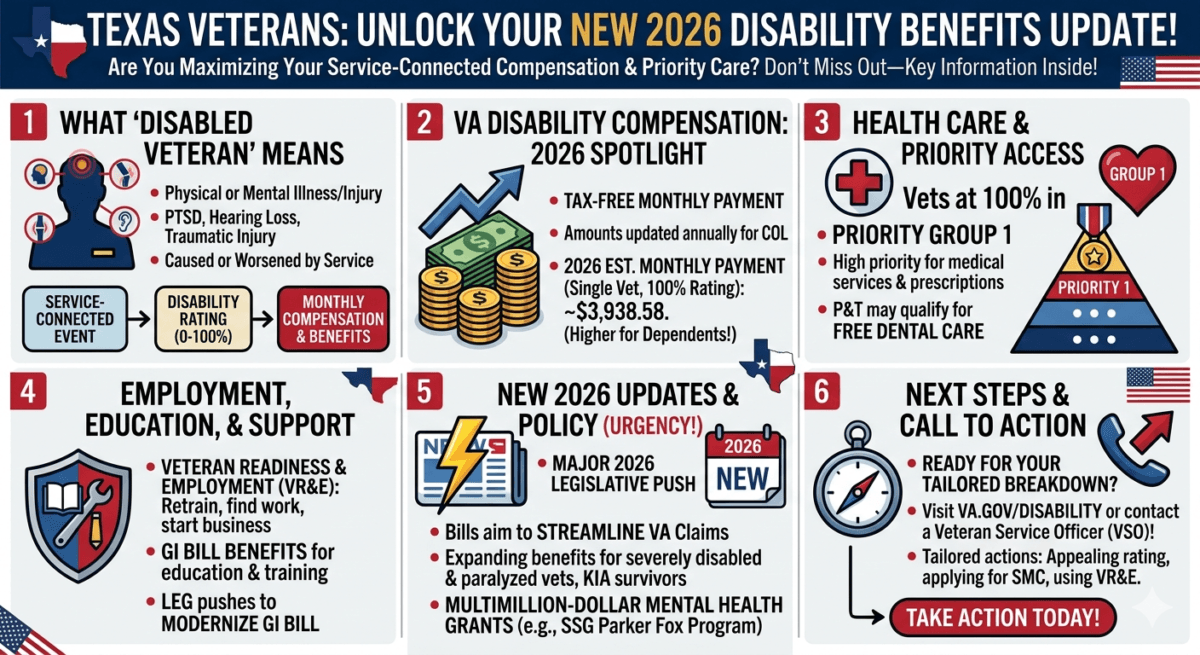
for the $3,000 Special Allowance
Eligibility for VA Disability Compensation typically extends to veterans who can demonstrate that their disability was incurred or aggravated during active military service. Various types of disabilities can qualify for compensation, including physical injuries, mental health conditions such as Post-Traumatic Stress Disorder (PTSD), and chronic illnesses connected to military duties.

The application process for VA Disability Compensation can be intricate, requiring a thorough understanding of the necessary documentation. Veterans must submit a claim that includes their service record, medical evidence of their condition, and any supporting statements from healthcare professionals. A well-prepared claim can help streamline the evaluation process and lead to more favorable outcomes.

Once a claim is submitted, it undergoes a comprehensive review to determine the disability rating, which is crucial in establishing the amount of compensation. This rating is based on specific criteria outlined by the Department of Veterans Affairs and assesses the extent to which a veteran’s disability impacts their ability to function in daily life. Ratings can range from 0% to 100%, with higher percentages reflecting more severe disabilities.
Understanding the nuances of VA Disability Compensation is critical for veterans and their families. Not only does it provide essential financial support, but it also recognizes the sacrifices made by those who served. Through this compensation, the VA aims to ensure that veterans receive the care and support they rightfully deserve.
Expanded Benefits for 100%-Rated Veterans
The Department of Veterans Affairs (VA) has made significant strides in expanding benefits for veterans who have been rated at 100% disability. This enhancement reflects a commitment to improving the quality of life for those who have made substantial sacrifices for their country. One of the most crucial elements of this expanded support is the financial compensation, which significantly exceeds that available to veterans with lower disability ratings. The current monthly compensation for a 100%-rated veteran stands at over $3,600, which is tax-free and can be a vital financial source for those coping with severe disabilities.
In addition to financial compensation, 100%-rated veterans are afforded comprehensive healthcare services, including access to the VA’s medical facilities. This access encompasses a wide array of healthcare services, such as specialized treatment programs, mental health care, and rehabilitation services. By prioritizing the health and well-being of veterans, the VA aims to ensure that they receive the necessary support for both physical and mental health challenges.
Furthermore, extended resources like vocational rehabilitation and employment services are now more readily available. This initiative promotes meaningful employment opportunities, empowering veterans to regain their independence. Each veteran’s rehabilitation plan is tailored to meet their individual needs, offering training and support to facilitate a smoother transition back into the workforce.
Recent government announcements have reinforced the focus on providing sustained support for 100%-rated veterans, including initiatives that streamline access to these benefits and ensure timely delivery. Additionally, there have been improvements in outreach programs to ensure that veterans are informed of their rights and resources. The enhancements are a step toward addressing the unique challenges faced by severely disabled veterans, aiming to foster a more inclusive environment for their reintegration into civilian life.
New Legislative Initiatives for Veteran Support in 2026
As 2026 approaches, there is a renewed focus on enhancing the support programs available to disabled war veterans through various legislative initiatives. Lawmakers are increasingly recognizing the distinct challenges faced by veterans, and new bills have been proposed to address these pressing issues. One of the most critical initiatives targets the modernization of veteran healthcare services, aiming to simplify access to mental and physical health resources for veterans struggling with service-related disabilities.
Among the proposed measures is the Veterans Benefits Improvement Act, which seeks to streamline the claims process for disability compensation. This legislation is designed to reduce the backlog of applications and ensure that veterans receive timely decisions on their benefits. By incorporating technology and resources efficiently, the goal is to enhance the overall experience of those who have served and continue to navigate the complexities of the compensation system.
Another significant legislative push focuses on expanding vocational rehabilitation services. Recognizing that reintegrating into civilian life can be daunting for disabled veterans, this initiative aims to provide comprehensive support for education, training, and employment. By increasing funding for programs that assist veterans in acquiring job skills or transitioning to new careers, the intent is to empower these individuals economically and socially, ultimately leading to improved quality of life.
The potential impacts of these initiatives on veterans’ benefits are substantial. If successfully enacted, these legislative changes may fill existing gaps in support systems, ultimately ensuring that service members who have sacrificed for their country receive the benefits and recognition they deserve. Advocacy efforts play a crucial role in these developments, as proactive outreach from veterans’ organizations and the public can influence the passage of these initiatives.
Resources and Support for Disabled War Veterans
Disabled war veterans in the United States have access to a variety of resources aimed at assisting them in navigating the complex landscape of benefits and healthcare. One of the primary sources of support is the U.S. Department of Veterans Affairs (VA), which offers a comprehensive array of programs designed to provide compensation, health care, and rehabilitation services. Veterans can begin their journey by visiting the official VA website, where they can find detailed information on available benefits and the application process.
In addition to governmental resources, there are numerous non-profit organizations dedicated to supporting veterans. The Veterans of Foreign Wars (VFW) and the American Legion are two prominent entities that offer assistance in various forms, from legal support to advocacy for better policies affecting veterans. These organizations often host events and programs aimed at fostering community and providing disabled veterans with opportunities for social engagement.
Another key resource is the Disabled American Veterans (DAV), which provides free assistance to veterans seeking to apply for disability benefits. The DAV connects veterans with trained personnel who can guide them through the documentation and claims process, ensuring that they receive the benefits to which they are entitled. Furthermore, local chapters often host workshops that empower veterans in managing their health and financial affairs.
Veterans are also encouraged to tap into local and state services, which may provide additional resources tailored to specific needs. Initiatives offered by local governments, such as job training programs and mental health services, can be invaluable. It is important for veterans to not only seek out these resources but also to advocate for their needs actively. Building connections with fellow veterans, attending support group meetings, or utilizing online forums can be instrumental in ensuring access to vital services.
By leveraging the wealth of resources available, disabled war veterans can navigate the complex benefits landscape and effectively advocate for themselves, ultimately improving their quality of life and ensuring they receive the assistance they deserve.
How to apply for VA disability compensation in 2026
In 2026, you apply for VA disability compensation by starting a claim online at VA.gov, by mail using VA Form 21‑526EZ, or in person with a VA representative or Veterans Service Organization (VSO). Below is a streamlined step‑by‑step guide for a war veteran.va+2
1. Check eligibility and gather documents
- You must be a veteran or separating service member with a service‑connected condition (physical or mental) that limits work or daily life.youtubeva
- Collect:
2. Start an “Intent to File” (optional but helpful)
- An Intent to File (VA Form 21‑0966) “reserves” your effective date for up to one year while you gather evidence.veteransguide+1
- You can submit this online at VA.gov, by mail, or in person at a VA office or VSO.veteran+1
3. File your formal claim (3 ways)
You can submit your full claim in one of these ways:
- Online (recommended)
- Log in to VA.gov → go to “Disability” → click “Apply for disability compensation” and follow the prompts (it auto‑fills VA Form 21‑526EZ).youtube+1va
- By mail
- Download and complete VA Form 21‑526EZ (Application for Disability Compensation and Related Compensation Benefits).va+1
- Mail it to:
Department of Veterans Affairs, Claims Intake Center, PO Box 4444, Janesville, WI 53547‑4444.va+1
- In person
4. Include evidence and choose “Fully Developed Claim” (FDC)
- VA strongly encourages you to submit all evidence with the claim (records, nexus letters, etc.), which qualifies it as a Fully Developed Claim and can speed up the decision.veteransguide+1
- If records are incomplete, the VA may schedule a Compensation & Pension (C&P) exam and then issue a decision.veteran+1
5. After you file
- You can track your claim status online at VA.gov or by calling VA at 800‑827‑1000.youtubeva
- If you need help, free assistance is available from accredited representatives (VSOs, nonprofits like DAV) or VA’s Veterans Service Officers.davyoutube
If you tell me whether this veteran is staying in the military, already discharged, or in a foreign country, I can outline the exact form path and timeline that fits their situation.
What are the 2026 SMC rates for 100% disabled veterans
In 2026, Special Monthly Compensation (SMC) adds extra monthly pay on top of the base 100% disability rate for veterans with specific severe conditions (loss of limbs, need for aid and attendance, blindness, etc.). The 2026 SMC‑K base add‑on is $139.87 per month, and higher SMC levels (L, M, N, O/P, R, S‑type) can push total monthly compensation well above the standard 100% rate of about $3,938.58 for a veteran with no dependents.veteransunited+2
Key 2026 SMC‑K and higher‑level examples
- SMC‑K (basic add‑on, e.g., loss of use of one lower extremity) adds $139.87/month to the base 100% payment.military+1
- SMC‑L (typically for need of aid and attendance or housebound) is roughly around $4,900+ per month total when combined with the 100% base, depending on dependents.youtubemilitary
- Higher SMC levels (M, N, O/P, R, S) can reach $6,500–$11,000+ per month depending on tier and dependents; for example, SMC‑R.2/T is about $11,271–$11,491 per month for a veteran alone or with a spouse.va+1
How to see your exact 2026 SMC rate
- VA publishes the full 2026 SMC‑rate tables (by level and dependent status) on its Special Monthly Compensation page under “current rates.”facebook+1
- Because SMC is layered on top of your base 100% rating and your dependent situation, the exact dollar amount depends on your specific SMC level (K, L, M, N, O/P, R, S‑type) and family makeup.military+1
If you can share whether the veteran qualifies for aid and attendance / housebound, loss of limbs, or reproductive/sexual‑function loss, I can match them to the closest 2026 SMC level and approximate monthly total.
Eligibility for CHAMPVA for dependents of disabled vets
CHAMPVA (Civilian Health and Medical Program of the Department of Veterans Affairs) is a health‑insurance‑style benefit for certain dependents of disabled or deceased veterans, not for the veteran themselves. For 2026, the core eligibility hinges on the veteran’s service‑connected disability rating or service‑connected death, and on the dependent’s status and lack of other coverage (like TRICARE).va+2
Who qualifies as a dependent
The main dependents who can get CHAMPVA are:
- Spouse or dependent child of a veteran who is rated “permanently and totally” (100% P&T) disabled due to a service‑connected condition.
- Surviving spouse or dependent child of a veteran who died from a service‑connected disability.davwebsites.dav+2
- Surviving spouse or dependent child of a veteran who was permanently and totally disabled at the time of death (service‑connected).nvf+1
- Approved primary family caregiver in the VA Program of Comprehensive Assistance for Family Caregivers who meets age, relationship, and residence rules and has no other health insurance.disabilitydenials+1
Key requirements and limits
- The veteran must have a VA‑awarded 100% permanent‑and‑total rating or a service‑connected death; general 100% disability without the P&T designation is not automatically enough.va+1
- Dependents cannot be eligible for TRICARE; if they qualify for TRICARE, they must use TRICARE instead of CHAMPVA.moaa+1
- For children, coverage typically ends at age 18, or age 23 if enrolled full‑time in school and unmarried.va+1
How to apply
- The dependent submits a CHAMPVA application (VA Form 10‑7959c) plus proof of relationship (marriage certificate, birth certificate) and evidence of the veteran’s 100% P&T rating or service‑connected death.va+1
- In some cases, CHAMPVA is issued automatically when the caregiver is approved under the VA caregiver program.disabilitydenials+1
If you tell me whether the veteran is still alive and 100% P&T, or a survivor of a service‑connected death, I can outline the exact form and documents needed for that scenario.
Details on Veteran Readiness and Employment program
The Veteran Readiness and Employment (VR&E) program, also known as Chapter 31 or VR&E / Voc–Rehab, is a VA‑run service that helps veterans with service‑connected disabilities prepare for, find, and keep suitable civilian jobs—or live more independently if they cannot work. It is especially useful for disabled war veterans who have an employment handicap (meaning their disability makes it harder to get or keep a job).military+2
Who qualifies
- You must be a veteran or active‑duty service member (within certain timelines) with a service‑connected disability rating (often at least 10%, but some tracks require 20% or higher).missionrollcall+2
- You must have an employment handicap: proof that your service‑connected disability impairs your ability to work.myarmybenefits.army+1
- In most cases you must be within a 12‑year “basic eligibility period” from separation or first VA rating, though extensions exist for severe disabilities or hardship.navymutual+1
What services VR&E provides
VR&E offerings are tailored by a VR&E counselor and can include:
- Rehab‑evaluation and counseling to assess skills, interests, and barriers.va+1
- Education and job training (college, vocational, technical school, OJT, apprenticeships).benefits.va+2
- Work‑readiness support: resume help, interview prep, job‑search coaching, and sometimes job‑placement coordination.military+1
- Self‑employment assistance and business‑startup support for veterans who want to start their own company.amu.apus+1
- Independent living services for veterans with severe disabilities who cannot work, to help them live more independently.myarmybenefits.army+1
How it works: the five tracks
VR&E typically assigns veterans to one of five tracks based on goals and severity of disability:
- Reemployment (back to the same job or employer).wkfirm+1
- Rapid access to employment (short‑term training and quick job placement).wkfirm+1
- Self‑employment (business startup and development).amu.apus+1
- Employment through long‑term services (extended education or training toward a career).wkfirm+1
- Veteran‑directed care (more flexible, veteran‑driven plan for independence or work).amu.apus+1
How to apply
- You apply through VA.gov on the VR&E page or by starting VA Form 28‑1900 (Application for Veteran Readiness and Employment).benefits.va+1
- After submitting, you meet with a VR&E counselor to decide eligibility, evaluate your employment handicap, and create an Individualized Plan for Employment (IPE) that lists your training, services, and goals.va+2
If you tell me the veteran’s VA disability rating, whether they are still working, and if they live in Texas or another state, I can outline which VR&E track is most realistic and what documents to bring to the first VR&E meeting.
Recent presumptive conditions for post-9/11 veterans
For post‑9/11 veterans, the most recent presumptive conditions are largely tied to the PACT Act and updated VA exposure lists, which assume certain illnesses are service‑connected if the veteran served in specific locations and has a qualifying diagnosis. That means you do not have to prove exposure (like documenting a burn‑pit incident) for these conditions, only service in a covered area/time and a current diagnosis.affleckandgordon+4
Key recent presumptive categories (post‑9/11)
- Burn‑pit and airborne‑hazard respiratory diseases
New PACT‑driven presumptions now cover conditions such as:- Asthma (diagnosed after service)
- Chronic bronchitis
- COPD, emphysema, pulmonary fibrosis, constrictive bronchiolitis
- Chronic rhinitis and chronic sinusitis
These are presumed for post‑9/11 veterans who served in Afghanistan, Iraq, Djibouti, Syria, Yemen, and other designated Southwest Asia locations during or after 9/11.homefrontgroup+2
- Cancers tied to burn pits and toxic exposures
The PACT Act added more than 20 new presumptive‑cancer conditions, including:- Brain cancer
- Gastrointestinal cancers (any type)
- Glioblastoma
- Head, neck, respiratory, kidney, and pancreatic cancers
- Lymphoma (any type)
- Melanoma
- Reproductive cancers (any type)
These are presumed for post‑9/11 veterans exposed to burn pits or other toxic air hazards in covered deployments.prestigeveteranmctx+2
- Other exposure‑related presumptive conditions
VA also recognizes several non‑respiratory presumptive conditions for post‑9/11 and Gulf War‑era service, such as:- Certain infections (e.g., brucellosis, campylobacter jejuni, tuberculosis) under specific deployment‑based presumptions.tn+1
- Gulf War–type undiagnosed illnesses / chronic multisymptom illnesses (like chronic fatigue, fibromyalgia‑type syndromes) for veterans with qualifying service in Southwest Asia or Afghanistan.va+1
What this means for a post‑9/11 veteran
- If you served in Afghanistan, Iraq, or other PACT‑Act‑listed locations and have a diagnosis on the new presumptive list, VA generally treats that condition as service‑connected automatically, speeding up disability and health‑care access.va+1
- You still need to:
- Document where and when you served (deployment orders, DD‑214) and
- Provide a current medical diagnosis from a physician or VA.trajectormedical+1
If you tell me the veteran’s deployment locations (e.g., Iraq, Afghanistan, Syria) and current diagnosis (asthma, COPD, cancer, etc.), I can match them to the exact 2025–2026 presumptive category and suggest the best way to file or upgrade the claim.