

Overview of Homelessness in Virginia
Homelessness remains a significant issue in Virginia, as it does in many parts of the United States. Recent statistics indicate that thousands of individuals and families experience homelessness in the state on any given night. Specifically, the most recent point-in-time count revealed that over 1,400 individuals were homeless, which highlights a persistent challenge for local communities.
Demographically, the homeless population in Virginia consists of a diverse mix of individuals. While many are single adults, there is also a notable proportion of families with children, which has drawn attention to the multifaceted nature of homelessness in the region. Specific statistics show that a significant number of homeless individuals are veterans, reflecting a concerning trend where those who have served the nation find themselves without stable housing.

Several factors contribute to the homeless situation in Virginia. Economic circumstances often play a crucial role, with rising housing costs outpacing income growth for many residents. Lack of affordable housing and insufficient access to mental health services and addiction support also exacerbate the crisis. Unemployment rates, though relatively low in recent years, still leave some individuals struggling to find work that can sustain a living wage. Additionally, personal circumstances such as family breakdowns or health issues can swiftly lead individuals into homelessness.

Furthermore, systemic issues like discrimination and inadequate social safety nets make it difficult for vulnerable populations to regain stable housing. Efforts by both governmental and non-governmental organizations in Virginia aim to address these challenges by providing housing solutions, supportive services, and healthcare options for those in need. A comprehensive understanding of these dynamics is essential for formulating effective solutions to reduce homelessness and support affected individuals.
The Veteran Population in Virginia
Virginia is home to a significant population of veterans, approximately 660,000 as of recent estimates. This number reflects the state’s rich military heritage, with many veterans choosing to reside there due to family ties, access to military facilities, and the overall community support for service members. A thorough examination of this population reveals important demographics and challenges that many veterans face after their service.
Demographically, the veteran population in Virginia is diverse, comprising individuals from various backgrounds, ages, and ethnicities. Predominantly, the population includes veterans from the Vietnam War, the Gulf War, and more recent conflicts in Iraq and Afghanistan. In terms of gender, while males represent a majority, the number of female veterans is gradually increasing, highlighting the need for tailored programs and services to meet their unique needs.
One of the critical challenges faced by veterans in Virginia is access to healthcare. Many veterans struggle with physical and mental health issues as a result of their service, including PTSD, depression, and chronic medical conditions. While the Department of Veterans Affairs (VA) provides several healthcare options, geographic disparities and long wait times can complicate access to care for some veterans. Additionally, the emphasis on transitioning back to civilian life often overlooks the mental health treatment necessary for readjustment.
Veterans May Qualify for Extra Benefits
Check available financial assistance, healthcare programs and other opportunities that may apply to you.
Check EligibilityEmployment also remains a significant concern. Despite having valuable skills and experience, many veterans encounter difficulties in securing stable employment. Discrepancies between military skills and civilian job requirements can lead to underemployment, which can exacerbate feelings of isolation and financial instability. Furthermore, socioeconomic factors, such as housing affordability, can put additional strains on veterans and their families.
In summary, understanding the veteran population in Virginia necessitates a closer look at not only their demographics but also the multifaceted challenges they contend with post-service. Addressing these issues is crucial for ensuring that veterans receive the support and resources needed to thrive in civilian life.
Percentage of Veterans Among the Homeless Population
The issue of homelessness remains a significant concern in many communities across the United States, particularly among veterans. In Virginia, it has been reported that approximately 13% of the homeless population consists of veterans. This statistic is crucial as it highlights the disproportionate representation of those who have served in the military among the overall homeless demographic.
Understanding the implications of this figure requires an exploration of the factors that contribute to homelessness in this specific group. Many veterans face challenges that can lead to instability, such as mental health issues, substance abuse, and difficulty reintegrating into civilian life. The experiences gained during military service may leave lasting effects, leading to struggles with PTSD, depression, and anxiety, which in turn can compromise their ability to secure stable housing.
Moreover, the barriers to accessing supportive resources such as housing assistance, healthcare, and employment opportunities can exacerbate the situation. Veterans often encounter stigmatization and systemic hurdles, deterring them from utilizing available support services. Consequently, the 13% statistic not only reflects a pressing social issue but also underscores the urgent need for tailored interventions that address the unique challenges faced by veterans experiencing homelessness in Virginia.
This data also serves as a call to action for policymakers and community organizations to prioritize efforts aimed at reducing veteran homelessness. By developing targeted programs that focus on prevention and long-term support, it is possible to reduce the number of veterans living on the streets and ensure that they receive the care and assistance they deserve. Addressing the homelessness crisis among veterans is not merely a necessity; it is a moral obligation to those who have served the nation with honor.
Factors Leading to Homelessness for Veterans
Homelessness among veterans is a complex issue, influenced by a variety of interrelated factors. Understanding these factors is crucial for developing effective interventions and support systems. One of the primary contributors to homelessness in this population is mental health issues. Many veterans experience conditions such as post-traumatic stress disorder (PTSD), depression, and anxiety due to their military service. These mental health challenges can create significant barriers to stable housing, as they may lead to difficulties in maintaining employment and sustaining relationships.
Substance abuse is another critical factor that exacerbates the risk of homelessness among veterans. It is not uncommon for individuals facing mental health challenges to turn to drugs or alcohol as a coping mechanism. This often results in a cycle where addiction further deteriorates their mental state, leading to job loss, family breakdown, and ultimately, homelessness. Programs addressing substance abuse are essential, but their effectiveness can be limited if they do not also incorporate mental health support.
Lack of affordable housing also plays a crucial role in the homelessness crisis for veterans. The rising costs of living and stagnant wages create a persistent mismatch between the income many veterans receive and the price of adequate housing. This situation is further compounded by the fact that some veterans face discrimination in the housing market, making it even more challenging to secure stable accommodations.
Unemployment is yet another significant contributor to veteran homelessness. The transition from military to civilian life can be difficult, with many veterans struggling to find jobs that match their skill sets or provide sufficient income. Additionally, the stigma surrounding mental health and substance abuse can hinder their employment opportunities. Efforts to improve job training and placement services specifically for veterans are critical to addressing this aspect of homelessness.
Programs and Resources Available for Homeless Veterans
In Virginia, a myriad of programs and resources is dedicated to assisting veterans experiencing homelessness. These initiatives come from both government and non-profit organizations, aiming to provide comprehensive support services to those who have served the nation.
One of the key government initiatives is the Virginia Department of Veterans Services (VDVS), which offers various programs designed specifically to prevent and combat homelessness among veterans. VDVS provides access to housing assistance, mental health resources, and employment services. Through partnerships with local organizations, they focus on empowering veterans to gain stability and transition successfully into permanent housing.
Another vital program is the U.S. Department of Veterans Affairs (VA) Homeless Providers Grant and Per Diem Program. This initiative funds supportive housing projects and services for homeless veterans. With facilities that provide shelter, meals, and counseling, this program plays a crucial role in addressing the immediate needs of veterans while empowering them for long-term self-sufficiency.
Additionally, numerous non-profit organizations operate in Virginia, such as the Virginia Coalition to End Homelessness. This coalition works collaboratively with local communities to enhance resources and programs available for homeless veterans. They organize outreach initiatives, offering services like case management and housing navigation to help veterans access federal and state benefits effectively.
Furthermore, many local shelters participate in the Supportive Services for Veteran Families (SSVF) program, which provides rapid rehousing assistance to veterans facing homelessness. These shelters not only offer temporary housing but also connect veterans with essential services like job training and financial counseling to promote long-term stability.
Overall, the combination of government initiatives and dedicated non-profit organizations in Virginia creates a robust framework of support for homeless veterans. By focusing on housing solutions, counseling, and job training, these resources aim to reduce homelessness, ensuring that veterans receive the care and assistance they deserve.
Impact of Mental Health on Homeless Veterans
The relationship between mental health struggles and homelessness among veterans is a complex and multifaceted issue that has garnered increasing attention in recent years. Many veterans encounter significant mental health challenges as a result of their service, which can contribute to their risk of experiencing homelessness. One of the most prevalent conditions affecting veterans is Post-Traumatic Stress Disorder (PTSD). This condition often arises from exposure to traumatic events during military service, leading to a myriad of symptoms such as anxiety, flashbacks, and emotional numbness. The inability to cope with these symptoms can make it exceedingly difficult for veterans to reintegrate into civilian life, thereby increasing their vulnerability to homelessness.
Furthermore, depression is another mental health issue that is frequently observed in veterans. The feelings of isolation and despair associated with depression can exacerbate existing problems, such as unemployment and social disconnection. As these veterans struggle with their mental health, the chances of leading a stable life diminish. This creates a cycle where unresolved mental health issues lead to homelessness, which in turn further deteriorates their mental well-being.
Statistical data indicate that a significant number of homeless veterans suffer from some form of mental illness, with many also facing co-occurring substance use disorders. This duality complicates treatment options, as reliance on substances often masks underlying mental health conditions while simultaneously impairing functional capabilities. Institutions and service providers that focus on veteran health are beginning to recognize the importance of addressing mental health issues as a critical element in preventing homelessness.
Ultimately, addressing mental health challenges among veterans is essential in combating homelessness. This requires a concerted effort from policymakers, healthcare providers, and community organizations to develop comprehensive support systems, including mental health services tailored specifically for veterans. By improving access to mental health resources, it is possible to reduce the incidence of homelessness in this vulnerable population, highlighting the need for targeted interventions and support systems to aid veterans in need.
Success Stories: Veterans Who Overcame Homelessness
Homelessness among veterans is a critical issue that affects many former servicemen and women. While the statistics surrounding veteran homelessness can provide a sobering view of the challenges faced, it is essential to also highlight the inspirational stories of those who have successfully transitioned from homelessness to stable housing.
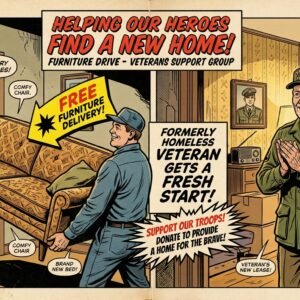
One such story is that of John, a Vietnam veteran who struggled with mental health issues after returning home. John found himself without a stable place to live, facing overwhelming obstacles. However, through a local nonprofit dedicated to helping veterans, he was able to secure housing and receive the therapeutic support he needed. This organization not only provided temporary shelter but also connected him with peers who understood his experiences, facilitating a much-needed support system.
Another success story features Samantha, a Gulf War veteran who turned to a veteran-specific housing program after experiencing domestic violence. The program offered more than just a roof over her head; it provided resources for job training and financial literacy. With the encouragement she received, Samantha completed her education, gained employment, and is now mentoring other veterans in similar situations. Her journey showcases the profound impact community support can have on individual lives.
The success of these inspiring examples underscores the importance of veteran-focused initiatives. Programs that address both immediate housing needs and long-term support structures have proven essential in assisting veterans to re-establish their lives. Additionally, community involvement plays a crucial role, as demonstrated by volunteer programs that offer skills training and social engagement opportunities. This combination of support not only helps veterans secure stable living conditions but also fosters a sense of belonging and purpose.
Ultimately, highlighting these success stories serves as a beacon of hope for veterans currently facing homelessness. They remind us that with the right support, it is possible to overcome adversity and achieve a successful transition back into stable housing and community life.
Community Support and Advocacy
The issue of homelessness among veterans is complex, requiring a concerted effort from community members, organizations, and advocates. In Virginia, local communities play a crucial role in combating veteran homelessness through various support systems and initiatives. Understanding the impact of community involvement is vital for fostering an environment where veterans can receive the help they need.
Community members can contribute significantly by raising awareness about the challenges faced by veterans experiencing homelessness. Advocacy efforts are essential in educating the public about the realities of homelessness among veterans and the support services available. Engaging in discussions, organizing events, and utilizing social media platforms are effective methods for disseminating information and fostering public empathy.
Engagement with local organizations that focus on veteran support services is also essential. Many local nonprofits offer programs designed to assist homeless veterans in finding stable housing, employment, and mental health services. Volunteers can make a meaningful impact by getting involved with these organizations, whether through direct service opportunities, fundraising efforts, or awareness campaigns. Participation in community outreach initiatives not only aids veterans directly but also fosters a sense of connection and solidarity within the community.
Additionally, individuals can assist by advocating for policy changes that focus on resources for homeless veterans. Grassroots advocacy contributes to a more robust support system that addresses the root causes of homelessness among veterans. By reaching out to local representatives and urging them to prioritize veteran homelessness in policy discussions, community members take an active role in the necessary structural changes required to provide sustained support.
In conclusion, addressing veteran homelessness in Virginia relies heavily on the active involvement of community members, organizations, and advocates. Through awareness-raising, volunteering, and advocacy, individuals can play a pivotal role in mitigating the challenges faced by homeless veterans, ultimately contributing to a more supportive and inclusive society.
Conclusion and Call to Action
Homelessness among veterans in Virginia presents a significant challenge, one that requires urgent attention and a multifaceted approach. Throughout this discussion, various aspects contributing to the homelessness crisis have been highlighted, including economic factors, mental health issues, and the transitional challenges faced by veterans upon returning to civilian life. It is evident that a comprehensive understanding of these factors is crucial in formulating effective strategies aimed at reducing the incidence of homelessness within this vulnerable population.
Awareness of the issues surrounding veteran homelessness must be amplified, not only to foster a more informed public but also to stimulate community involvement. The need for increased funding and support for local shelters and programs dedicated to helping veterans is paramount. Additionally, it is essential to promote initiatives that provide mental health services, job training, and housing assistance tailored specifically for veterans. By implementing these services, communities can significantly enhance the support network available to those who have served their country.
Moreover, collaboration among government agencies, non-profit organizations, and community stakeholders is vital in addressing this persistent problem. Efforts should be made to develop coordinated outreach programs that can effectively connect veterans with available resources and support systems. Furthermore, advocacy for policies that address the root causes of homelessness will contribute to more sustainable solutions in the long term.
In conclusion, tackling veteran homelessness in Virginia is a collective responsibility that requires concerted efforts from all sectors of society. By increasing awareness, fostering collaborative partnerships, and advocating for strategic interventions, we can create a roadmap toward reducing and ultimately eliminating homelessness among veterans. It is imperative that both individuals and organizations step up to ensure that those who have sacrificed for our freedoms receive the support and assistance they rightfully deserve.

🇺🇸 IMPORTANT DISCLAIMER – Veterans Benefits Information
This site provides general information about U.S. Department of Veterans Affairs (VA) benefits for educational and informational purposes only.
- Not Official: We are NOT affiliated with, endorsed by, or connected to the U.S. Department of Veterans Affairs (VA), the Veterans Benefits Administration (VBA), the Veterans Health Administration (VHA), or any other government agency.
- No Legal/Financial Advice: The content on this website is for informational purposes only and does not constitute legal, financial, or medical advice. VA benefits rules change frequently – always consult with an accredited Veterans Service Officer (VSO) or a qualified professional for your specific situation.
- Official Sources: For official, binding information and to apply for benefits, always visit official .gov websites: VA.gov, Benefits.VA.gov, or SSA.gov.
- No Data Collection: This site does not collect, store, or process any personal information. It does not have login forms, contact forms, or any system to capture user data. We never ask for your Social Security Number, bank details, or any personal information.
- 🚨 Scam Alert: The VA and other government agencies never charge fees for benefit applications. If anyone asks for money to "process" your VA claim, it is a scam. Report it to the VA Office of Inspector General at VA.gov/OIG.
- Advertising: This site uses third-party advertising (Adsterra) to cover operational costs. We do not endorse or guarantee any products or services advertised.
📌 Information provided as of June 2026. Always verify current eligibility and rules with official .gov sources.
This site is not affiliated with the U.S. Department of Veterans Affairs or any government agency. All information is for educational purposes only. Please visit VA.gov for official information.
