

Introduction to VA Home Loans in 2026
The landscape of home financing has witnessed considerable evolution over the past few years, and VA home loans continue to hold their significance, particularly in 2026. Designed specifically for veterans, active-duty service members, and their families, VA loans are a formidable option within the United States’ broader home loan market. These loans are backed by the U.S. Department of Veterans Affairs and provide a unique pathway to homeownership that is often more accessible and favorable compared to conventional loans.
One of the key advantages of VA home loans is the absence of a down payment requirement, allowing qualified borrowers to purchase homes without the financial strain usually associated with saving for a substantial upfront cost. This is particularly important as housing prices have surged in various regions, making home ownership increasingly challenging for many. Additionally, VA loans often come with lower interest rates, which can result in significant savings over the life of the loan.

In 2026, trends indicate a steady increase in the use of VA home loans, reflective of the growing recognition of the benefits that these loans provide to eligible borrowers. Furthermore, changes in legislation and evolving market conditions have enhanced eligibility criteria and loan limits, thus expanding access for a broader demographic of veterans and military families. As housing demand remains robust, understanding the benefits and eligibility requirements of VA home loans has never been more crucial.

Overall, VA home loans serve an essential role in facilitating homeownership for those who have served the country. They empower veterans and active service members by providing resources and opportunities to secure housing. The ongoing support and awareness of these loan products play a vital part in ensuring that those who have dedicated their lives to service can achieve stable housing and the American Dream of home ownership.
Eligibility Criteria for VA Home Loans
In 2026, the eligibility criteria for VA home loans remain primarily focused on the service members’ active duty tenure and discharge conditions. To qualify for a VA home loan, service members must have served a minimum period in the uniformed services, which varies based on the date of entry into service and the service branch. Generally, veterans must have completed at least 90 consecutive days of active duty during wartime, or 181 days during peacetime. Furthermore, National Guard and Reserve members may also qualify based on specific service requirements, often having to serve 6 years in the Selected Reserve or have been called to active duty.
In addition to the length of service, the nature of discharge is crucial. Veterans must have received an honorable discharge or a discharge under conditions that are not dishonorable. This stipulation ensures that the benefits of VA home loans are preserved for those who have served their country well. It is important for potential applicants to verify their discharge status early in the loan application process to avoid complications.
Regarding documentation, veterans are required to provide a Certificate of Eligibility (COE), which verifies their service. This certificate can be obtained through the VA’s website or via a lender. New policies implemented in 2026 stress the importance of accurate documentation regarding service dates and discharge status, streamlining the application process for eligible veterans. Moreover, some changes introduced over recent years have expanded eligibility, allowing previously qualified veterans with less than full service periods or specific discharge circumstances to benefit from these loans, reflecting a growing understanding of veteran needs.
Understanding VA Loan Benefits
Veterans May Qualify for Extra Benefits
Check available financial assistance, healthcare programs and other opportunities that may apply to you.
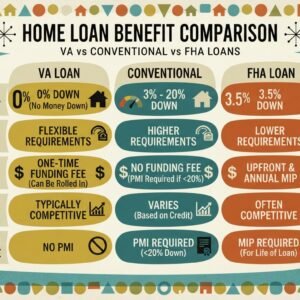
Check EligibilityVA home loans offer numerous advantages tailored specifically for military veterans and active duty personnel, making them an attractive option for home financing in 2026. One of the most significant benefits is the potential for no down payment. Veterans can often secure their homes without the burden of a large initial payment, making home ownership more accessible and financially viable. This aspect is particularly beneficial in a housing market where down payments can be a significant barrier to entry.
Additionally, VA loans typically feature competitive interest rates compared to conventional loans. This advantage not only results in lower monthly mortgage payments but also reduces the overall cost of borrowing throughout the life of the loan. The stability and predictability of fixed interest rates further enhance the attractiveness for veterans seeking long-term financial security.
Another notable benefit of VA loans is the absence of private mortgage insurance (PMI), which is a requirement for many traditional loans when borrowers do not reach a certain equity threshold in their property. Eliminating PMI can contribute to substantial savings over time, allowing veterans to allocate their funds toward other important areas, such as home upgrades or family expenses.
As we move into 2026, there are also new enhancements to these benefits. Recent reforms may include adjustable loan limits to accommodate fluctuating housing market conditions and enhanced eligibility criteria for those who previously may not have qualified. Furthermore, assistance programs aimed at first-time VA loan applicants are expected to expand, offering educational resources and financial counseling to ensure veterans can navigate the home-buying process with confidence.
The VA Home Loan Process Explained
The VA home loan process is designed to provide veterans, active-duty service members, and eligible surviving spouses an accessible route to home ownership. Understanding the step-by-step approach can significantly streamline the experience and enhance success in acquiring a loan. The journey begins with pre-qualification, where borrowers assess their financial status to estimate how much they can afford for a home. This phase involves gathering financial documents, such as income statements and credit history, which will aid in determining eligibility.
Once pre-qualified, the next step is to find a lender that participates in the VA loan program. It is crucial to research various lenders offering competitive rates and terms since interest rates can vary significantly. Using comparison tools or seeking recommendations can help identify a trustworthy lender. Additionally, applicants should inquire about the lender’s experience with the VA loan process to ensure knowledgeable assistance throughout.
Obtaining a Certificate of Eligibility (COE) is a critical step in the VA home loan process. This document confirms the applicant’s eligibility for the loan benefit. Borrowers can apply for the COE online, by mail, or through a lender’s assistance. When applying, necessary documentation such as service records may be needed to validate the application. Once received, the COE simplifies the subsequent stages of the loan application process.
After securing the COE, borrowers can proceed to complete the VA loan application. This step typically involves filling out detailed information about personal finances and the desired property. It’s advisable to provide complete and accurate information to avoid delays. Ultimately, implementing these tips and maintaining open communication with the lender can create a smoother experience, enhancing the chances of successful loan approval.
Types of VA Home Loans Available in 2026
In 2026, the VA home loan program continues to play a crucial role in assisting veterans and active-duty service members in achieving homeownership. Various types of VA home loans are available, each designed to meet specific needs and circumstances of borrowers.
The first type is the VA Purchase Loan, which enables eligible veterans, active-duty personnel, and certain members of the National Guard and Reserves to purchase a home without the necessity of a down payment. This loan option is particularly beneficial for first-time homebuyers, as it helps to reduce the financial barriers associated with homeownership. Additionally, it offers competitive interest rates and does not require private mortgage insurance (PMI), making it an attractive choice for many borrowers.
Another significant option is the Cash-Out Refinance Loan. This type allows homeowners to refinance their existing mortgage and withdraw a portion of their home equity as cash. The cash can be utilized for various purposes, such as home improvements, debt consolidation, or covering unexpected expenses. This option is advantageous for veterans who have built up equity in their homes and seek to leverage it for personal financial gains.
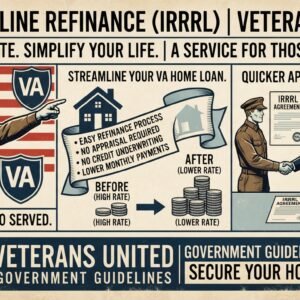
Lastly, the Interest Rate Reduction Refinance Loan (IRRRL) provides an opportunity for veterans with existing VA loans to lower their interest rates and reduce monthly payments. This streamlined refinance process typically requires less documentation and can be completed faster than traditional refinancing, making it ideal for those looking to improve their financial situation with minimal hassle.
These distinct types of VA home loans offer varied benefits tailored to different needs and circumstances, ensuring that veterans and active-duty service members can find suitable financing options for their homeownership goals in 2026.
Funding Fee and Its Role in VA Loans
The VA funding fee is a critical component of the VA home loan program. It is a one-time payment required to help offset the costs associated with the program, which allows veterans, active-duty service members, and certain members of the National Guard and Reserves to secure affordable housing. Unlike traditional insurance, this fee helps maintain the program’s sustainability while providing veterans with access to benefits without the need for private mortgage insurance.
The VA funding fee is determined based on several factors, which include the loan amount, the type of service of the borrower (new or repeat user), and the down payment amount. Typically, the funding fee ranges from 1.4% to 3.6%, depending on these factors. For instance, first-time users with no down payment are typically required to pay a funding fee of 2.3%, while subsequent users in the same category could face a fee of 3.6%. However, those who can make a down payment of 5% or more may see a decreased fee.
Starting in 2026, the funding fee structure underwent some changes to adapt to current economic conditions and trends in home financing. While the specific adjustments are still subject to legislative scrutiny, it is anticipated that the changes will be aimed at making homeownership more attainable for veterans by potentially reducing the fee for first-time buyers. Additionally, certain exemptions apply to specific groups of veterans, such as those receiving disability compensation from the VA or surviving spouses of veterans killed in action, who are not required to pay the funding fee. This exemption highlights the program’s commitment to supporting those who have served and sacrificed for their country.
Common Challenges and Solutions in VA Home Loans
Veterans seeking to utilize their VA home loan benefits may encounter several challenges during the application process, particularly in 2026. Understanding these challenges can help individuals prepare effectively and navigate the VA loan landscape more efficiently.
One prevalent issue is related to credit scores. While VA loans do not impose a strict minimum credit requirement, lenders typically prefer a score of at least 620. Veterans with lower credit scores might face difficulties securing a loan or encounter higher interest rates. To address this challenge, veterans are encouraged to check their credit reports and dispute any inaccuracies. Additionally, they can consider working with credit repair services or financial advisors to improve their credit over time.
Property appraisal is another critical aspect of the VA loan process. The VA requires a home to meet its minimum property requirements, ensuring safety and structural integrity. Sometimes, the appraisal can result in a lower valuation than anticipated, leading to potential loan financing issues. To mitigate this risk, veterans are advised to work with knowledgeable real estate agents who understand VA appraisal standards and can assist in selecting homes likely to meet valuation criteria.
Moreover, some lenders may have a limited understanding of VA loans, leading to inconsistent experiences. It is essential for veterans to research and identify lenders with proven expertise in VA financing. They can utilize resources such as the VA Lender Directory to find qualified, experienced lenders. Engaging with multiple lenders can also help veterans compare terms and ensure they receive favorable loan options.
By being proactive, veterans can effectively address these challenges associated with VA home loans and leverage the benefits designed to support their home-buying endeavors.
Future of VA Home Loans Beyond 2026
The landscape of VA home loans is expected to evolve significantly beyond 2026 as various factors intersect, including changes in legislation, dynamics in the housing market, and shifts in societal expectations. Current trends suggest a growing awareness among policymakers regarding the unique challenges veterans face in securing affordable housing, which may lead to legislative enhancements to the VA loan program.
Experts predict that the demand for VA home loans will continue to increase as more veterans seek home ownership, particularly in a materializing post-pandemic economy. The housing market may see a substantial surge in home prices, driven by high demand and low inventory. However, in anticipation of economic shifts, there is a push for expanded eligibility criteria for veterans, ensuring that even those with less than perfect credit histories can benefit from VA loans.
Recent discussions around the increasing cost of living and inflation have prompted policymakers to consider additional support mechanisms, such as adjustments to the loan limits that would empower veterans in competitive markets. Furthermore, innovations in technology are likely to enhance the loan application process, making it more accessible and efficient for veterans and their families.
Moreover, the integration of more educational programs regarding home buying within the veteran community is essential for ensuring that potential homeowners are equipped with the necessary tools and knowledge for navigating the housing market. Enhanced outreach programs aimed at veterans may also become more prevalent as stakeholders recognize the importance of supporting this demographic in achieving housing stability.
While the future of VA home loans beyond 2026 appears promising, it will largely depend on how well policymakers and the housing market respond to the needs of veterans. Continuous dialogue among industry experts, veterans, and lawmakers will be crucial in safeguarding the benefits associated with VA home loans and in addressing emerging challenges faced by this community.
Conclusion and Final Thoughts
The VA home loan program remains a vital resource for veterans and active service members looking to secure home financing in 2026. This financial benefit is not only designed to provide favorable loan terms but also to honor the sacrifices made by military personnel. Key benefits of VA home loans include zero down payment options, competitive interest rates, and the absence of private mortgage insurance (PMI), making it easier for qualified individuals to achieve homeownership.
Eligibility for VA home loans typically requires that borrowers have served a minimum duration in the military or are the surviving spouses of veterans. The necessary documentation that outlines service history is essential for assessing eligibility. Furthermore, specific credit and income requirements must be met to ensure that borrowers are capable of managing their mortgage payments effectively.
In addition to these considerations, VA loans offer flexibility in terms of usage. Eligible borrowers can utilize these loans for purchasing or building single-family homes, refinancing existing mortgages, or even buying multi-unit properties, thereby maximizing the benefits of the program. With such advantages, it is crucial for veterans and service members to explore the possibilities that VA home loans present.
In conclusion, with the evolving landscape of home financing, VA home loans in 2026 represent a tangible opportunity for those who have served our country. They are not only a practical solution for purchasing homes but also an acknowledgment of the dedication exhibited by military personnel. For veterans and active service members contemplating homeownership, a VA home loan is undoubtedly a worthwhile option to consider.

🇺🇸 IMPORTANT DISCLAIMER – Veterans Benefits Information
This site provides general information about U.S. Department of Veterans Affairs (VA) benefits for educational and informational purposes only.
- Not Official: We are NOT affiliated with, endorsed by, or connected to the U.S. Department of Veterans Affairs (VA), the Veterans Benefits Administration (VBA), the Veterans Health Administration (VHA), or any other government agency.
- No Legal/Financial Advice: The content on this website is for informational purposes only and does not constitute legal, financial, or medical advice. VA benefits rules change frequently – always consult with an accredited Veterans Service Officer (VSO) or a qualified professional for your specific situation.
- Official Sources: For official, binding information and to apply for benefits, always visit official .gov websites: VA.gov, Benefits.VA.gov, or SSA.gov.
- No Data Collection: This site does not collect, store, or process any personal information. It does not have login forms, contact forms, or any system to capture user data. We never ask for your Social Security Number, bank details, or any personal information.
- 🚨 Scam Alert: The VA and other government agencies never charge fees for benefit applications. If anyone asks for money to "process" your VA claim, it is a scam. Report it to the VA Office of Inspector General at VA.gov/OIG.
- Advertising: This site uses third-party advertising (Adsterra) to cover operational costs. We do not endorse or guarantee any products or services advertised.
📌 Information provided as of June 2026. Always verify current eligibility and rules with official .gov sources.
This site is not affiliated with the U.S. Department of Veterans Affairs or any government agency. All information is for educational purposes only. Please visit VA.gov for official information.
