

Introduction to VA Mortgage Rates
The United States Department of Veterans Affairs (VA) offers VA loans, which are a type of mortgage designed specifically for veterans, active-duty service members, and certain members of the National Guard and Reserves. These loans provide significant financial advantages, such as no down payment requirement and no private mortgage insurance (PMI), making home ownership more accessible for eligible individuals. As of June 2026, understanding VA mortgage rates is crucial for potential borrowers who are considering utilizing these benefits.
In June 2026, VA mortgage rates are shaped by various economic factors, including changes in the overall interest rates set by the Federal Reserve, housing market conditions, and the financial stability of various lending institutions. As the economy continues to recover post-pandemic, VA loan rates may be influenced by the fluctuations in the broader mortgage market. Typically, these rates tend to be lower than conventional loan rates due to the guarantee provided by the VA, which reduces risk for lenders.

Eligibility for VA loans extends to veterans who have served in active duty and have been discharged under conditions other than dishonorable. Additionally, certain surviving spouses may qualify, along with members of the National Guard and Reserves who have met specific service requirements. It is essential for eligible parties to understand their unique qualifications and how they can leverage these loans to their advantage in the current market.

In conclusion, the VA mortgage rates for June 2026 present a favorable opportunity for eligible service members and veterans. These rates not only facilitate home buying but also emphasize the importance of being informed about current conditions and available resources. A thorough understanding of these loans can empower potential borrowers to make more educated decisions for their housing needs.
Understanding VA Loan Eligibility
VA loans, or Veterans Affairs loans, are a unique financial resource available to eligible veterans, active duty service members, and certain members of the National Guard and Reserves. The eligibility for these loans is primarily based on the length and nature of service. As of June 2026, veterans who have served a minimum of 90 consecutive days of active duty during wartime, or 181 days during peacetime, are typically eligible. Additionally, individuals who have completed more than six years of service in the Selected Reserve or have been discharged under conditions other than dishonorable may also qualify.
In terms of active duty members, they are automatically eligible for VA loans based on their service. The eligibility extends beyond individual service members; surviving spouses of veterans who died in service or as a result of a service-related injury may also obtain a VA loan, provided they meet specific criteria. For instance, they must not have remarried and must have been married to the service member for at least one year.
To apply for a VA loan, veterans and service members must obtain a Certificate of Eligibility (COE), which can usually be acquired through the Veterans Affairs website or by contacting a VA-approved lender. This certificate confirms that the applicant meets the necessary eligibility criteria. Furthermore, applicants are required to provide documentation, such as discharge papers (DD Form 214), to support their application and verify their service. Additional paperwork may be required based on specific personal circumstances or if the applicant desires to avail multiple benefits.
Types of VA Loans Available
Veterans May Qualify for Extra Benefits
Check available financial assistance, healthcare programs and other opportunities that may apply to you.
Check EligibilityThe U.S. Department of Veterans Affairs (VA) offers a variety of loan types to assist eligible veterans, active-duty service members, and certain members of the National Guard and Reserves in obtaining housing. Understanding these options can significantly ease the home buying or refinancing process.
One of the primary types of VA loans is the Purchase Loan. This loan type enables eligible borrowers to finance the purchase of a home without requiring a down payment. This is a significant advantage, as it allows borrowers to acquire a residence without the financial strain typically associated with purchasing property. Additionally, Purchase Loans come with competitive interest rates and do not require private mortgage insurance (PMI), making them a financially savvy choice for veterans seeking home ownership.
Another crucial loan type is the Interest Rate Reduction Refinance Loan (IRRRL). This refinancing option is specifically designed to help those who currently hold a VA loan streamline their mortgage payments. The IRRRL allows borrowers to secure a lower interest rate on their existing VA loan, which can lead to decreased monthly payments and less overall interest paid over the life of the loan. Furthermore, this type of refinancing typically requires minimal documentation, making it an efficient choice for veterans looking to save on their mortgage costs.
Lastly, the Cash-Out Refinance Loan offers borrowers a way to access home equity. This option allows eligible veterans to refinance their existing mortgage for an amount greater than what is owed, receiving the difference in cash. This can be particularly beneficial for those looking to fund large expenses like home renovations, debt consolidation, or other financial needs. Overall, each type of VA loan serves a distinct purpose and provides unique benefits to eligible borrowers.
Current VA Mortgage Rates in June 2026
As of June 2026, VA mortgage rates demonstrate a significant trend in the lending market, reflecting broader economic conditions and housing policies. The current average VA mortgage rate is marked at 3.25%, representing a marginal increase from the previous month, where rates were around 3.15%. Compared to June 2025, when the rates hovered around 3.10%, this slight elevation indicates a gradual adjustment consistent with current market dynamics.
Looking at the historical data, VA mortgage rates have shown fluctuations over the past year. Notably, rates have remained lower than those seen two years ago, where the average was approximately 3.75% in June 2024. These changes highlight the ongoing shifts in the economic landscape, particularly due to government monetary policies aimed at stabilizing the housing market.
The rise in VA mortgage rates can be attributed to several factors, including inflation trends, economic recovery, and adjustments in the federal interest rates. Additionally, the Federal Reserve’s recent decisions to moderately increase interest rates to combat inflation have a cascading effect on mortgage rates. Consequently, veterans looking to secure a mortgage should consider these trends when navigating their financing options.
Moreover, it is essential for prospective borrowers to remain updated on any government policy changes that might impact VA loan eligibility criteria or the overall lending climate. Awareness of how these rate adjustments may influence personal finance decisions is crucial for making informed choices about home buying or refinancing through the VA loan program.
Overall, the current VA mortgage rates in June 2026 reveal a complex interplay of market forces that require careful consideration from those exploring their financing options.
Factors Influencing VA Mortgage Rates
Several factors play a vital role in determining VA mortgage rates, which are essential for veterans and active military personnel seeking financial assistance. One of the primary elements influencing these rates is the borrower’s credit score. Generally, higher credit scores can lead to more favorable mortgage rates, while lower scores might result in higher rates or less favorable terms. For veterans, maintaining a good credit history is crucial, as it allows them to benefit from the competitive rates associated with VA loans.
Another significant factor is the loan amount. VA loans come with prescribed limits that may vary based on the borrower’s location and entitlement. As the loan amount increases, especially beyond the conforming limit, the associated risks may lead to higher interest rates. It is essential for veterans to understand these limits to secure the most beneficial terms for their situation.
Market conditions also play a pivotal role in shaping VA mortgage rates. Fluctuations in the economy, such as inflation trends or changes in the Federal Reserve’s policies, can have a direct impact on interest rates. When market conditions tighten, lenders may increase rates in response to heightened risk factors, affecting veterans’ ability to secure low rates on their mortgages.
Additionally, economic indicators such as employment rates and consumer confidence can influence VA mortgage rates. A robust economy typically correlates with rising mortgage rates, as demand for loans increases. Conversely, during economic downturns, rates may decrease to stimulate borrowing. Veterans and active duty members should stay informed about these factors to navigate the mortgage landscape effectively and take advantage of the best possible rates available in today’s market.
Refinance Options for VA Loans
For current VA loan holders, refinancing presents an excellent opportunity to enhance financial flexibility and secure better mortgage rates. The Department of Veterans Affairs offers a couple of primary refinancing options tailored specifically for veterans: the Interest Rate Reduction Refinance Loan (IRRRL) and the Cash-Out Refinance Loan. Each option serves different financial situations and goals.
The IRRRL is designed primarily to lower the interest rate on an existing VA loan, making it an ideal choice for those seeking to reduce monthly payments. This streamlined process does not require extensive credit checks or a lengthy appraisal, greatly simplifying the refinancing journey. Borrowers can capitalize on lower rates and potentially lower their overall loan balances, leading to significant savings over time.
Alternatively, the Cash-Out Refinance Loan allows VA loan holders to tap into their home equity. This option is suited for borrowers who need funds for larger expenses, such as home renovations or debt consolidation. Through this process, homeowners can refinance their existing mortgage for an amount greater than what is owed, retrieving the difference in cash. This method can be beneficial provided that homeowners understand the implications of increasing their loan balance and the associated costs of borrowing.
While both refinancing options can yield considerable savings, it is essential to assess personal financial goals and circumstances before choosing a route. Evaluating factors such as current interest rates, closing costs, and potential long-term savings will ensure that borrowers make informed decisions. Additionally, consulting with a knowledgeable VA lender can provide tailored insights into the best refinancing options and help navigate the complexities involved in the process. Ultimately, refinancing VA loans can be an advantageous move for veterans looking to optimize their mortgage terms.
How to Get the Best VA Mortgage Rate
Securing the best VA mortgage rate is crucial for veterans and active-duty service members looking to purchase or refinance a home. Several factors can influence the mortgage rate you ultimately receive, and by being proactive, borrowers can position themselves advantageously.
One of the primary steps to consider is improving your credit score. Lenders typically view a higher credit score as a sign of financial responsibility, which can lead to more favorable mortgage rates. Borrowers should review their credit reports for errors, pay down existing debts, and ensure all bills are paid on time to enhance their credit standing. A diligent effort in this area can make a significant difference in the rates offered.
Additionally, understanding the importance of a good debt-to-income (DTI) ratio is vital. This ratio compares your monthly debt payments to your monthly gross income. Ideally, a lower DTI indicates better financial health and can allow borrowers to secure a more favorable mortgage rate. To improve this ratio, consider paying off debts or increasing your income, as these strategies can reflect positively in the lender’s eyes.
Working with knowledgeable mortgage lenders is also essential. Lenders who specialize in VA loans can help navigates the complexities of the process and provide insight into current VA mortgage rates. They can help borrowers understand the specifics of their loan options, including how different factors can affect their rates. Engaging with multiple lenders to compare offerings is advisable, ensuring that you secure the best rate possible.
By taking these proactive steps—improving credit scores, understanding debt-to-income ratios, and collaborating with experienced lenders—VA borrowers can effectively position themselves to obtain competitive mortgage rates.
Common Misconceptions About VA Loans
Veterans Affairs (VA) loans provide significant benefits for eligible borrowers, yet numerous misconceptions surrounding them often lead to confusion and missed opportunities. One prevalent myth is that all veterans automatically qualify for a VA loan. In reality, eligibility is determined through a specific service requirement and must be evidenced by a Certificate of Eligibility (COE). This certificate verifies the length and character of a veteran’s service. Therefore, service members should consult VA guidelines to ascertain their qualifications.
Another false belief is that VA loans come with high-interest rates. Contrary to this common misconception, VA mortgage rates are generally competitive, often lower than conventional loans. This is primarily due to the fact that the VA guarantees a portion of the loan, reducing the lender’s risk and resulting in favorable terms for the borrower. Additionally, interest rates may vary based on market conditions, credit scores, and overall financial profiles, much like other loan types.
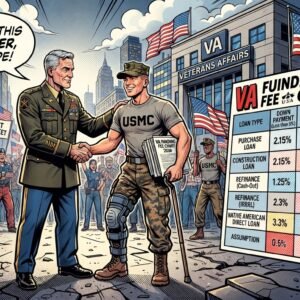
Many potential borrowers also misunderstand the nature of the funding fee associated with VA loans. This one-time charge is either paid upfront or can be included in the loan amount. While some might believe that this fee negates the benefits of a VA loan, it is essential to recognize that these fees often are lower than private mortgage insurance (PMI) costs required for other loan types. Moreover, certain veterans may even be waived from funding fees, making the loan even more accessible.
Lastly, there is a prevalent myth that VA loans cannot be utilized for investment properties. However, veterans can use this financing option to buy multi-unit properties (up to four units) as long as they intend to occupy one of the units. Understanding these critical aspects of VA loans is essential for maximizing their benefits and dispelling misconceptions that could hinder access to these valuable resources.
Conclusion and Final Thoughts
In summary, understanding VA mortgage rates is crucial for veterans and active-duty service members looking to take advantage of the benefits offered by the VA loan program. Throughout this blog post, we have highlighted key aspects of VA mortgage rates as of June 2026, including current rates, eligibility requirements, and refinancing options that may be beneficial for borrowers in this unique segment of the housing market.
We discussed how VA mortgage rates are influenced by various factors such as market conditions, credit scores, and the overall economic environment, emphasizing the importance of keeping abreast of these factors to secure the most favorable terms. Additionally, we addressed the enhanced eligibility criteria provided by the VA, making it accessible for many service members and veterans to obtain a mortgage.
Furthermore, the refinancing options available to VA loan holders were explored, detailing how these can lead to savings on monthly payments or allow access to home equity. The adaptability and support that VA loans offer make them a vital resource for potential homeowners in the military community.
For anyone considering a VA loan or contemplating refinancing, seeking guidance from experienced professionals is recommended. Industry experts can provide personalized advice tailored to individual situations, helping to navigate the complexities of VA mortgage options. Making informed decisions regarding VA loans and understanding the significance of current mortgage rates can empower service members and veterans in achieving homeownership goals.


🇺🇸 IMPORTANT DISCLAIMER – Veterans Benefits Information
This site provides general information about U.S. Department of Veterans Affairs (VA) benefits for educational and informational purposes only.
- Not Official: We are NOT affiliated with, endorsed by, or connected to the U.S. Department of Veterans Affairs (VA), the Veterans Benefits Administration (VBA), the Veterans Health Administration (VHA), or any other government agency.
- No Legal/Financial Advice: The content on this website is for informational purposes only and does not constitute legal, financial, or medical advice. VA benefits rules change frequently – always consult with an accredited Veterans Service Officer (VSO) or a qualified professional for your specific situation.
- Official Sources: For official, binding information and to apply for benefits, always visit official .gov websites: VA.gov, Benefits.VA.gov, or SSA.gov.
- No Data Collection: This site does not collect, store, or process any personal information. It does not have login forms, contact forms, or any system to capture user data. We never ask for your Social Security Number, bank details, or any personal information.
- 🚨 Scam Alert: The VA and other government agencies never charge fees for benefit applications. If anyone asks for money to "process" your VA claim, it is a scam. Report it to the VA Office of Inspector General at VA.gov/OIG.
- Advertising: This site uses third-party advertising (Adsterra) to cover operational costs. We do not endorse or guarantee any products or services advertised.
📌 Information provided as of June 2026. Always verify current eligibility and rules with official .gov sources.
This site is not affiliated with the U.S. Department of Veterans Affairs or any government agency. All information is for educational purposes only. Please visit VA.gov for official information.
