

Introduction to VA Loans
VA loans are a unique financing option specifically tailored for veterans, active-duty service members, and eligible members of the National Guard and Reserves. Established by the United States government, this program aims to provide accessible home purchasing opportunities, honoring the sacrifice and service of military personnel. Understanding VA loans is crucial for veterans looking to secure home financing without facing some of the barriers typically associated with traditional mortgage options.
The significance of VA loans lies in their ability to facilitate home ownership at conditions that may be more favorable than conventional loans. For example, VA loans require no down payment, making them a viable option for those who may struggle to save for a significant upfront cost. Additionally, these loans often feature competitive interest rates and do not require private mortgage insurance (PMI), leading to lower monthly payments. This financial relief is particularly vital for veterans transitioning into civilian life, allowing them to allocate resources toward other essential needs.

Since their inception after World War II, the VA loan program has continually evolved to meet the changing needs of veterans and service members. Originally introduced to assist returning soldiers in purchasing homes and integrating them successfully into society, the program has expanded to include various benefits, such as refinancing options and eligibility for active-duty service personnel. Furthermore, the program has adapted to cover a diverse range of property types, ensuring that veterans can invest in the type of home that suits their lifestyle and family requirements. This commitment to supporting those who have served in the military underscores the essential role of VA loans in contemporary housing markets.
Eligibility Criteria for VA Loans

VA loans are a notable benefit provided to veterans and active-duty service members, designed to assist them in acquiring home financing without the constraints of a traditional mortgage. To qualify for a VA loan, applicants must meet specific eligibility criteria established by the U.S. Department of Veterans Affairs. The primary categories of individuals eligible for VA loans include veterans, active-duty personnel, and certain members of the National Guard and Reserves.
One of the essential documents required for eligibility is the Certificate of Eligibility (COE). This document validates a borrower’s service history and enables them to access VA loan benefits. Applicants can obtain the COE through the VA’s online portal, by mail, or through their lender, often expediting the process of securing a loan. The issuance of a COE depends on the applicant’s length of service, type of discharge, and overall service record.
The minimum length of service required varies; typically, veterans must have served at least 90 days of active duty during wartime or a minimum of 181 days during peacetime to be eligible. Additionally, individuals who have completed six years of service in the National Guard or Reserves may also qualify. Discharge status significantly affects eligibility as well; applicants must generally have an honorable discharge to partake in VA loan benefits. Undesirable discharges may limit access to these crucial financial resources.
Understanding the eligibility criteria is imperative for potential applicants to maximize their benefits. By confirming their eligibility and securing the necessary documentation, veterans and service members can take a significant step towards homeownership with the assistance of VA loans.
Types of VA Loans Available
Veterans May Qualify for Extra Benefits
Check available financial assistance, healthcare programs and other opportunities that may apply to you.
Check EligibilityThe Department of Veterans Affairs (VA) offers various types of loans to assist veterans in achieving home ownership. Understanding the different VA loan types is crucial for veterans seeking to utilize their benefits effectively. Three primary types of VA loans include Purchase Loans, Cash-Out Refinance Loans, and Interest Rate Reduction Refinance Loans (IRRRL).
Purchase Loans are designed specifically for veterans looking to buy a home. This type of loan offers several advantages, including no down payment requirement in most cases, competitive interest rates, and no private mortgage insurance (PMI) requirement. To qualify, veterans must meet specific service requirements as well as the lender’s criteria. VA Purchase Loans can be used for various property types, including single-family homes, condos, and multi-family units.
Cash-Out Refinance Loans provide veterans a means to tap into their home equity. This loan type allows borrowers to refinance their existing mortgage and withdraw cash for any purpose, such as home improvements or debt consolidation. Eligible veterans can benefit from the same favorable terms, including no down payment, if taking out a larger loan than their existing mortgage. However, it is essential to note that borrowers must have a sufficient equity stake in the home and must meet the VA’s eligibility requirements.
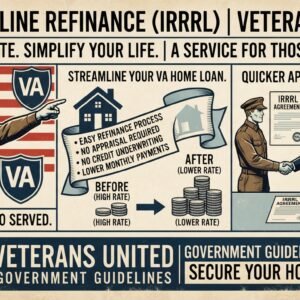
Interest Rate Reduction Refinance Loans (IRRRL), often referred to as “Streamline Refinancing,” enable veterans to lower their monthly mortgage payments through refinancing without extensive documentation or a credit check. This loan type is exclusively for veterans with existing VA loans and is especially beneficial for those looking to reduce interest rates or move from an adjustable-rate mortgage to a fixed-rate mortgage. Understanding the specifics of these loan types and their advantages can help veterans make informed decisions about their housing financing options.
Benefits of VA Loans
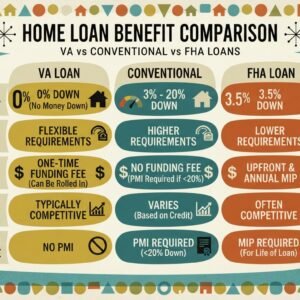
Veterans, active-duty service members, and certain members of the National Guard and Reserves have access to an array of advantageous programs through the VA loan system. One of the most notable benefits of VA loans is the zero down payment requirement. Unlike conventional loans, which often necessitate a significant upfront investment, VA loans allow eligible individuals to purchase homes without making a down payment, making homeownership more accessible to veterans.
Additionally, VA loans do not require private mortgage insurance (PMI), a typical necessity for borrowers who cannot afford large down payments. PMI adds an extra cost to a monthly mortgage payment, yet with a VA loan, veterans can save substantially by avoiding this expense. This financial relief can be pivotal in monthly budgeting and overall affordability.
Another significant advantage is the competitive interest rates commonly associated with VA loans. Lenders offer these rates due to the backing of the Department of Veterans Affairs, which mitigates risk for them. Lower interest rates can translate into significant savings over the life of the loan, reducing the overall financial burden on veterans when compared to traditional financing options.
Moreover, VA loans often feature more favorable terms in comparison to other loan types. Many veterans appreciate flexible repayment plans and the option for streamlined refinancing, which can simplify financial management. The combination of zero down payment, no PMI, competitive rates, and advantageous terms makes VA loans an appealing choice for those who have served the country, enabling them to secure their home while honoring their sacrifices.
The VA Loan Application Process
Applying for a VA loan involves several steps, and understanding this process can simplify the journey for veterans seeking home financing. The first step is to gather the necessary paperwork, which typically includes proof of military service. This proof can be in the form of a Certificate of Eligibility (COE), which confirms eligibility for VA loan benefits. To obtain the COE, veterans can apply online through the VA’s eBenefits portal, or they can request it via mail or through their lender. It is advisable to ensure that all relevant service documents, including DD Form 214 or other military records, are available to streamline the application process.
Once you have your COE, the next step is to select a lender experienced in VA loans. Working with a lender familiar with the VA loan process can make a significant difference in your experience. These lenders are well-versed in the regulations and are more likely to facilitate quick and efficient processing of your loan application. When choosing a lender, compare interest rates, fees, and the overall customer service experience each lender offers. It can be beneficial to have several preliminary meetings to find a lender who best aligns with your needs.
After selecting a lender, you will fill out a loan application, which includes providing financial information such as income, debts, and assets. Lenders will also require a credit check to assess financial stability and determine loan eligibility. Following this, the lender will initiate the underwriting process, which involves verifying all submitted information and evaluating your financial status. It’s essential to be prepared with any additional documentation requested by the lender during this stage. By following these steps closely, veterans can navigate the VA loan application process with confidence and clarity.
VA Loan Limits and Financing Options
The Veterans Affairs (VA) loan program is a significant financial advantage for military veterans, offering them the possibility of homeownership with favorable terms. However, it is important to understand that VA loans do have maximum limits. These limits can vary based on the county and state in which the property is located. As of 2023, in many regions, the VA loan limits are set to match the conforming loan limits established by the Federal Housing Finance Agency (FHFA), which is approximately $726,200 for most areas. In some high-cost regions, these limits can be substantially higher, offering veterans access to more financing options.
When aspiring to purchase a higher-value home, it is essential to consider various factors that affect eligibility for larger loans. One such factor is the veteran’s service length and character of discharge, which plays a crucial role in determining their entitlement to VA loans. A veteran’s credit history and income verification also impact their loan amount and repayment ability. Importantly, veterans can use their loan entitlement multiple times; however, doing so will require careful consideration of remaining entitlement amounts.
Additionally, veterans have the option to purchase multiple properties using VA loans, which is particularly beneficial for those looking to invest in real estate or secure vacation homes. When utilizing a VA loan for the second or subsequent property, it’s vital to ensure that the total loan amount remains within the entitlement limits. This can be achieved by either having sufficient remaining entitlement or paying down previous VA loan balances. By leveraging their benefits wisely, veterans can potentially unlock more affordable financing options for larger homes or investment properties.
Common Myths About VA Loans
Veterans Affairs (VA) loans are a vital resource for eligible service members, veterans, and their families seeking home financing. Unfortunately, misconceptions about these loans can discourage potential borrowers from taking advantage of their benefits. One prevalent myth is that VA loans are difficult to qualify for. However, VA loans have relatively more lenient credit requirements compared to conventional loans. In fact, many lenders are willing to work with individuals who may have lower credit scores. Eligibility largely depends on the borrower’s military service and discharge status rather than solely on financial history.
Another common belief is that VA loans come with exorbitant fees, which can deter borrowers from considering this financing option. While it is true that VA loans involve a funding fee—designed to sustain the program and protect lenders—these costs can often be included in the loan amount or even waived altogether for service-connected disabled veterans. Moreover, VA loans typically do not require private mortgage insurance (PMI), which can lead to significant savings over time when compared to conventional financing options.
Some individuals also assume that VA loans are not suitable for various property types. This is a misconception, as VA loans can be used to purchase a wide array of properties, including single-family homes, condominiums, and certain multi-unit properties. It is essential, however, that the property meets specific VA standards and is intended for residential purposes. Addressing these myths helps illuminate the truth behind VA loans, allowing veterans and active-duty service members to make informed decisions about their home financing options.
FAQs About VA Loan Benefits
Veterans often have questions regarding the benefits and intricacies of VA loans. One common inquiry revolves around refinancing options. The VA offers a streamlined refinancing option known as the Interest Rate Reduction Refinance Loan (IRRRL), which allows veterans to refinance an existing VA loan to obtain a lower interest rate. This process is simpler than traditional refinancing, without the need for extensive documentation or credit checks in many cases, making it a favorable option for those looking to reduce their monthly payments.
Another frequent question pertains to eligibility restoration. If a veteran has previously utilized their VA loan benefits, they may wonder if and how they can regain eligibility for future loans. The good news is that veterans can restore their entitlement under certain conditions, such as paying off the previous loan or selling the property tied to the loan. This restoration process empowers veterans to access VA loans multiple times throughout their careers.
Location-specific benefits are also a topic of interest among veterans seeking VA loans. Depending on the geographic location, some veterans may have access to enhanced benefits, including specific loan limits and additional local programs aimed at supporting homebuyers. It’s crucial for veterans to investigate their options thoroughly based on where they plan to purchase, as these can vary significantly. Furthermore, many states offer additional incentives or programs for veterans that can complement the federal VA loan benefits.
Additionally, veterans often ask about the eligibility criteria. To qualify for a VA loan, service members must meet certain service length requirements, and their discharge status must be honorable or general. Understanding these parameters can clarify who qualifies for these substantial benefits, enabling veterans to engage in the home-buying process with greater confidence.
Conclusion and Next Steps
Throughout this guide, we have explored the numerous benefits and qualifications associated with VA loans, particularly tailored for veterans. These loans represent a significant opportunity for those who have served in the military, offering favorable terms such as no down payment, competitive interest rates, and exemptions from private mortgage insurance. Understanding the eligibility criteria can empower veterans to take advantage of these financial resources, making homeownership more accessible.
To recap, VA loans are designed to ease the path to homeownership for veterans by providing them with favorable financing options that can significantly reduce monthly housing costs. Eligibility typically includes service requirements and can vary based on several factors, including the length of service and discharge status. Furthermore, leveraging VA loans not only aids veterans in purchasing homes but also fosters overall financial security for them and their families.
As veterans consider their next steps towards homeownership, it is crucial to engage with VA-approved lenders who can offer expert guidance tailored to individual situations. Veterans are encouraged to reach out to local housing counseling organizations that specialize in assisting military personnel. These resources can provide invaluable assistance in navigating the loan process, understanding market conditions, and improving overall financial literacy.
In conclusion, utilizing VA loans opens doors to homeownership for veterans, representing a well-deserved benefit for serving the nation. We recommend that veterans take the time to review their eligibility and seek the necessary counsel to fully understand the loan options available to them. A proactive approach can lead to significant advantages, facilitating a smoother journey toward owning a home.

🇺🇸 IMPORTANT DISCLAIMER – Veterans Benefits Information
This site provides general information about U.S. Department of Veterans Affairs (VA) benefits for educational and informational purposes only.
- Not Official: We are NOT affiliated with, endorsed by, or connected to the U.S. Department of Veterans Affairs (VA), the Veterans Benefits Administration (VBA), the Veterans Health Administration (VHA), or any other government agency.
- No Legal/Financial Advice: The content on this website is for informational purposes only and does not constitute legal, financial, or medical advice. VA benefits rules change frequently – always consult with an accredited Veterans Service Officer (VSO) or a qualified professional for your specific situation.
- Official Sources: For official, binding information and to apply for benefits, always visit official .gov websites: VA.gov, Benefits.VA.gov, or SSA.gov.
- No Data Collection: This site does not collect, store, or process any personal information. It does not have login forms, contact forms, or any system to capture user data. We never ask for your Social Security Number, bank details, or any personal information.
- 🚨 Scam Alert: The VA and other government agencies never charge fees for benefit applications. If anyone asks for money to "process" your VA claim, it is a scam. Report it to the VA Office of Inspector General at VA.gov/OIG.
- Advertising: This site uses third-party advertising (Adsterra) to cover operational costs. We do not endorse or guarantee any products or services advertised.
📌 Information provided as of June 2026. Always verify current eligibility and rules with official .gov sources.
This site is not affiliated with the U.S. Department of Veterans Affairs or any government agency. All information is for educational purposes only. Please visit VA.gov for official information.
