

Types of Acceptable Donations
Veterans thrift stores in New Mexico serve a crucial purpose by providing resources for veterans and their families through the sale of donated items. Understanding the types of acceptable donations is essential for both the donors and the organization. Various categories of items are welcomed, including clothing, electronics, furniture, and other household goods.
Clothing is one of the primary donations accepted at veterans thrift stores. Gently used clothing items for men, women, and children are encouraged. It is vital that these items are in good condition, free from significant wear and tear, stains, or odors. Seasonal clothing, such as winter jackets or summer attire, is particularly beneficial for meeting the diverse needs of customers throughout the year.

Electronics also represent an important category of donations. Items may include working televisions, radios, small appliances, and other electronic devices. Donors should ensure that these items are functional and come with necessary accessories, like remote controls or chargers, to increase their usability. Additionally, it is advisable to check for the latest safety standards, particularly with older electronics.

Furniture donations are accepted and can include gently used items such as sofas, chairs, and tables. Ensuring that these pieces are free from extensive damage or stains will enhance their resale value and usability for families in need. Moreover, smaller household goods like kitchenware, decor, and linens are equally valuable. It is crucial for donors to assess whether items are in good condition before donating.
Baby goods such as cribs, toys, and clothing are often in demand, as they can help support young families. Ultimately, each donation should be gently used, functional, and safe. By following these guidelines, donors can contribute meaningful items to veterans thrift stores, making a positive impact on their communities.
Scheduling Pickup Services
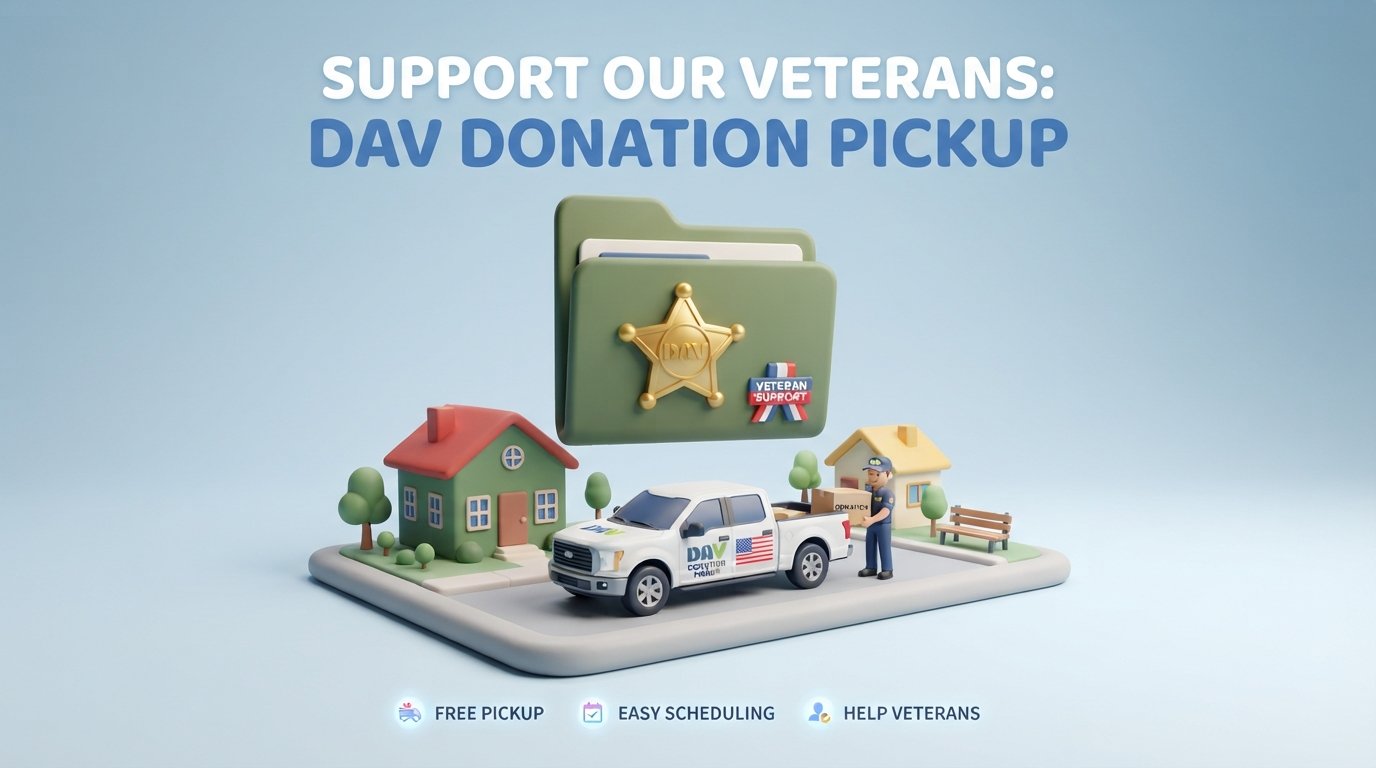
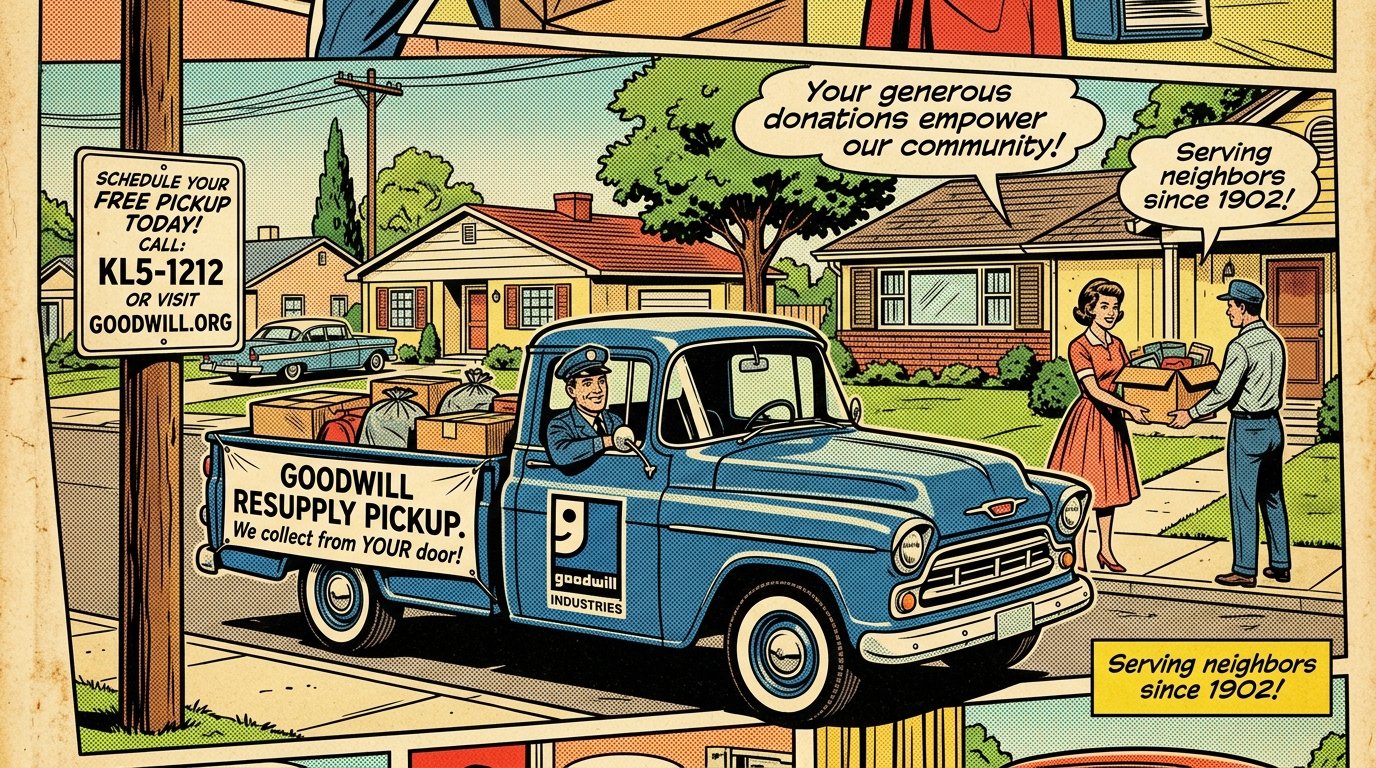
Many veterans thrift stores in New Mexico, such as the Vietnam Veterans of America (VVA) and the Salvation Army, offer convenient pickup services for individuals looking to donate items. This service is designed to ease the donation process for those unable to deliver their contributions directly to donation centers. Donors can schedule a pickup by either calling the organization directly or utilizing online forms available on their websites, making it more accessible for everyone.
When scheduling a pickup service, donors should be prepared to provide pertinent information about the items they wish to donate, including their condition and size. It is also essential to indicate the preferred pickup date and location during the scheduling process. Organizations like the VVA often have dedicated representatives available to assist in confirming appointments and clarifying any questions about the items being donated. This proactive communication ensures that both the donor and the organization are aligned on expectations.
Veterans May Qualify for Extra Benefits
Check available financial assistance, healthcare programs and other opportunities that may apply to you.
Check EligibilityIn situations where donors must leave items outside for pickup, organizations recommend certain protocols to minimize the risk of damage or loss. Specifically, it is crucial to ensure that items are securely placed in a visible and accessible area. Additionally, donors should always communicate with the organization to inform them of any items left outside to coordinate the pickup effectively. This dialogue helps organizations plan and dispatch their collection teams accordingly, avoiding potential mishaps.
In summary, scheduling pickup services for donation items to veterans thrift stores like those managed by the Vietnam Veterans of America and the Salvation Army can be a straightforward and supportive process. By utilizing available resources and maintaining clear communication, donors can contribute effectively while ensuring their items are handled appropriately.
Local Drop-Off Locations and Procedures
In New Mexico, various organizations facilitate the donation of goods, with both the Salvation Army and Goodwill operating multiple drop-off locations across the state. These locations serve as key points for community members wishing to support veterans and those in need by donating gently used items. It is vital for potential donors to thoroughly understand the specific drop-off procedures and operational hours to ensure a straightforward donation experience.
To locate the nearest drop-off center, individuals can visit the official websites for the Salvation Army and Goodwill. These sites provide comprehensive lists, often featuring an interactive map, that displays the various locations available. In addition, local community bulletins or nonprofit newsletters may promptly highlight new drop-off sites or changes in existing facilities. Generally, the hours of operation tend to be consistent, often ranging from 9 AM to 5 PM, but donors are encouraged to check for any seasonal variations or unexpected closures.
Upon arrival at a drop-off location, donors should expect to follow certain procedures to streamline the process. It is common for these organizations to have designated areas for donations, often marked clearly with signage. There may also be personnel available to assist with the unloading of items, ensuring the process is quick and convenient. Moreover, each organization usually has specific guidelines regarding the types of items that can be accepted. For example, items such as furniture, clothing, and household goods are often welcomed, whereas hazardous materials or non-usable items may be restricted.
Adhering to these procedures not only enhances the efficiency of the donation process but also supports the mission of these organizations in helping veterans and their families. Proper understanding of local drop-off locations and procedures is fundamental for all individuals looking to contribute their time and resources effectively, fostering a supportive community environment in New Mexico.
Tax Deductions and Proper Documentation
Donating items to veterans thrift stores can offer potential tax benefits for donors, making this charitable act not only rewarding on a personal level but also advantageous financially. When individuals contribute gently used clothing, furniture, or other household goods to these organizations, they may qualify for tax deductions on their federal income tax returns. However, it is vital to adhere to specific guidelines to ensure that these deductions are valid.
Upon making a donation, donors should always request a receipt from the thrift store. This receipt serves as proof of the contribution and can be a critical document when filing taxes. The receipt typically includes details such as the date of the donation, a description of the donated items, and the thrift store’s name. It is advisable to keep this documentation in a safe place and maintain records of any items donated, including their approximate value. This practice can substantiate the donor’s claims during tax filing and, if necessary, during audits.
Furthermore, while many veterans thrift stores are recognized as tax-exempt under the Internal Revenue Code, donors should confirm each organization’s status to ensure that their contributions are indeed tax-deductible. This verification can often be accomplished through the organization’s official website or by directly contacting them. Integrating these aspects makes the process of donating not merely a generous act but also a strategic financial decision. Ultimately, understanding the documentation process and being informed about the tax implications can significantly enhance the overall experience of donating to veterans thrift stores.

🇺🇸 IMPORTANT DISCLAIMER – Veterans Benefits Information
This site provides general information about U.S. Department of Veterans Affairs (VA) benefits for educational and informational purposes only.
- Not Official: We are NOT affiliated with, endorsed by, or connected to the U.S. Department of Veterans Affairs (VA), the Veterans Benefits Administration (VBA), the Veterans Health Administration (VHA), or any other government agency.
- No Legal/Financial Advice: The content on this website is for informational purposes only and does not constitute legal, financial, or medical advice. VA benefits rules change frequently – always consult with an accredited Veterans Service Officer (VSO) or a qualified professional for your specific situation.
- Official Sources: For official, binding information and to apply for benefits, always visit official .gov websites: VA.gov, Benefits.VA.gov, or SSA.gov.
- No Data Collection: This site does not collect, store, or process any personal information. It does not have login forms, contact forms, or any system to capture user data. We never ask for your Social Security Number, bank details, or any personal information.
- 🚨 Scam Alert: The VA and other government agencies never charge fees for benefit applications. If anyone asks for money to "process" your VA claim, it is a scam. Report it to the VA Office of Inspector General at VA.gov/OIG.
- Advertising: This site uses third-party advertising (Adsterra) to cover operational costs. We do not endorse or guarantee any products or services advertised.
📌 Information provided as of June 2026. Always verify current eligibility and rules with official .gov sources.
This site is not affiliated with the U.S. Department of Veterans Affairs or any government agency. All information is for educational purposes only. Please visit VA.gov for official information.
