

Overview of VA Disability Compensation
VA disability compensation is a monetary benefit provided by the Department of Veterans Affairs (VA) to veterans who have sustained disabilities due to injuries or diseases incurred or aggravated during active military service. The primary purpose of this compensation is to support veterans in overcoming the challenges posed by their disabilities, ensuring they receive appropriate care and assistance as they reintegrate into civilian life. It serves as a crucial financial resource for many veterans, helping to cover everyday living expenses and offering some degree of financial stability.
Eligibility for VA disability compensation is determined through a thorough evaluation process by the VA. This includes an assessment of the severity of the service-connected disability and its impact on the veteran’s ability to function in daily life. To qualify, veterans must demonstrate a direct link between their military service and their condition, typically supported by medical evidence and documentation. The level of compensation varies based on the disability rating assigned, which ranges from 0% to 100% in increments of 10%. This rating reflects the degree of impairment and influences the compensation amount, with higher ratings receiving larger benefits.

Furthermore, the VA provides additional benefits to eligible veterans, including healthcare services, vocational rehabilitation, and education programs. These services are aimed at promoting overall well-being and assisting veterans in transitioning successfully into post-service life. Understanding VA disability compensation is crucial for veterans seeking the benefits they have earned through their service, providing them with essential support and resources tailored to their specific needs.
2026 VA Disability Pay Rates Explained

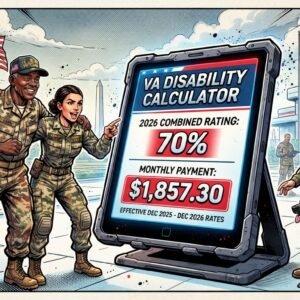
The 2026 VA disability pay rates represent a critical aspect of support for veterans who have sustained disabilities related to their service. Understanding these rates is essential for assessing the financial benefits available to eligible individuals. The rates are determined primarily by the severity of the disability, as expressed through a disability rating percentage, which ranges from 0% to 100% in increments of 10.
For instance, a veteran with a 10% disability rating is entitled to a monthly compensation rate of approximately $160.64, while those rated at 100% can receive around $3,664.10 per month. These figures are indicative of the varying levels of compensation that align with the extent of the disabilities faced. The VA determines these payments in accordance with statutory mandates, reflecting adjustments for inflation and changes in the cost of living.
In 2026, the VA has made some adjustments to the compensation rates compared to previous years. These changes are influenced by the annual cost-of-living adjustments (COLA) mandated by legislation, ensuring that benefits keep pace with inflation. Additionally, changes in the overall budgetary appropriations and policies set forth by the Department of Veterans Affairs may also impact the rates provided. Factors such as the economic landscape and the number of claims filed can affect the overarching funding for veteran services, which in turn influences the compensation scale.
Overall, understanding the 2026 VA disability pay rates entails recognizing the systematic approach to compensation established for veterans. Grasping the dynamics of rating percentage and subsequent pay scale ensures that veterans can better prepare for their financial needs based on their service-related disabilities.
How to Apply for VA Disability Compensation in 2026
Veterans May Qualify for Extra Benefits
Check available financial assistance, healthcare programs and other opportunities that may apply to you.
Check EligibilityApplying for VA disability compensation can seem daunting; however, understanding the process can greatly alleviate potential stress. In 2026, veterans seeking disability compensation should begin by gathering the necessary documentation. This includes service records, medical records, and any relevant evidence regarding the service-connected disabilities. Veterans should ensure that all medical documentation clearly outlines the nature and extent of their disabilities.
Once all documents are gathered, veterans can initiate the application process. The application for VA disability compensation can be submitted online via the VA Portal, by mail, or in-person at a VA regional office. Starting online is often the recommended approach, as it allows for real-time updates and tracks the application status efficiently. There are several forms that may need to be filled out, including VA Form 21-526EZ, which is specifically designed for disability compensation claims.
Throughout the application process, veterans should pay attention to the timelines involved. After submission, the VA will acknowledge receipt of the application. Typical processing times may vary, but veterans can expect the review process to take a few months. Additionally, applicants should be prepared for potential challenges that may arise, such as requests for additional information or the need for a Compensation and Pension (C&P) exam to evaluate the severity of the disabilities claimed.
It is also advisable for veterans to enlist the assistance of veterans service organizations (VSOs) or accredited representatives who can provide guidance through the application process, ensuring that all information is accurate and complete. This can significantly improve the chances of a successful claim. By following these steps and being prepared, veterans can navigate the disability compensation application with confidence.
Resources and Support for Veterans
Veterans seeking information on VA disability pay rates can access a variety of resources and organizations dedicated to assisting them throughout the claims process. These resources are vital in providing guidance on how to navigate the complexities of disability benefits, ensuring that veterans receive the support they deserve.
One of the primary resources is the official U.S. Department of Veterans Affairs (VA) website, which offers comprehensive information on disability compensation, eligibility requirements, and application procedures. Veterans can access this information online at va.gov, where they can also find a wealth of often-updated data about the 2026 VA disability pay rates.
In addition to the VA website, veterans may contact the VA directly via the Veterans Crisis Line at 1-800-273-8255 for immediate support or information regarding their benefits. This hotline serves as a crucial resource, especially for those in urgent need of assistance. Furthermore, local VA offices are available in many communities across the country, offering face-to-face consultations where veterans can inquire about disability claims and other related services.
For those seeking additional support, organizations such as the Disabled American Veterans (DAV), American Legion, and Veterans of Foreign Wars (VFW) provide resources and advocacy for veterans navigating the disability claims process. They offer personalized assistance in completing forms, gathering necessary documentation, and understanding pay rates. Veterans can also explore community-based organizations that offer support, including counseling services, financial advice, and peer support groups aimed at creating a network for veterans.
In conclusion, although the process related to VA disability pay rates can be daunting, these resources and organizations play a critical role in guiding veterans through their claims, ultimately assisting them in obtaining the benefits to which they are entitled.

🇺🇸 IMPORTANT DISCLAIMER – Veterans Benefits Information
This site provides general information about U.S. Department of Veterans Affairs (VA) benefits for educational and informational purposes only.
- Not Official: We are NOT affiliated with, endorsed by, or connected to the U.S. Department of Veterans Affairs (VA), the Veterans Benefits Administration (VBA), the Veterans Health Administration (VHA), or any other government agency.
- No Legal/Financial Advice: The content on this website is for informational purposes only and does not constitute legal, financial, or medical advice. VA benefits rules change frequently – always consult with an accredited Veterans Service Officer (VSO) or a qualified professional for your specific situation.
- Official Sources: For official, binding information and to apply for benefits, always visit official .gov websites: VA.gov, Benefits.VA.gov, or SSA.gov.
- No Data Collection: This site does not collect, store, or process any personal information. It does not have login forms, contact forms, or any system to capture user data. We never ask for your Social Security Number, bank details, or any personal information.
- 🚨 Scam Alert: The VA and other government agencies never charge fees for benefit applications. If anyone asks for money to "process" your VA claim, it is a scam. Report it to the VA Office of Inspector General at VA.gov/OIG.
- Advertising: This site uses third-party advertising (Adsterra) to cover operational costs. We do not endorse or guarantee any products or services advertised.
📌 Information provided as of June 2026. Always verify current eligibility and rules with official .gov sources.
This site is not affiliated with the U.S. Department of Veterans Affairs or any government agency. All information is for educational purposes only. Please visit VA.gov for official information.
