

To be classified as a 100% disabled veteran, an individual must meet specific criteria established by the Department of Veterans Affairs (VA). This designation indicates that a veteran’s injuries or illnesses have led to a complete inability to engage in substantial gainful activity. The assessment involves evaluating both physical and mental health conditions, as well as their severity and impact on daily functioning. Veterans seeking this status undergo a thorough rating process that considers their medical history, service records, and results from VA examinations.
The significance of achieving a 100% disability rating is profound. It not only reflects the extent of a veteran’s service-related health impairments but also unlocks access to a comprehensive array of benefits and support. These benefits can include monthly compensation payments, healthcare, vocational rehabilitation, and housing assistance, among others. Moreover, a 100% rating entitles veterans to several additional perks, such as access to specialized programs aimed at enhancing quality of life and integration into the community.

Obtaining this status is not merely about the financial benefits. It underscores the sacrifices made by veterans in service to their country, often marking a turning point in their pursuit of necessary medical care and support services. The process to achieve this rating can be intricate and may involve appeals, especially if there is an initial denial. Understanding the criteria and preparing for the evaluation can significantly impact the outcome. By gaining clarity on the nuances of the 100% disability rating, veterans can effectively navigate the complexities involved in advocating for their rights and accessing resources tailored to their needs.
Key Federal Benefits for 100% Disabled Veterans

Veterans who have been assigned a disability rating of 100% are eligible for a range of federal benefits designed to support their unique challenges and circumstances. These benefits can be broadly categorized into several areas, including healthcare, financial compensation, housing assistance, educational opportunities, adaptive equipment, and employment resources.
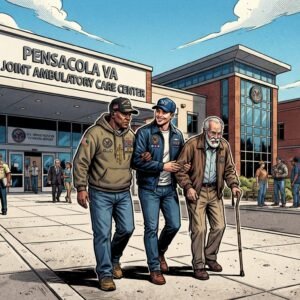
One of the primary advantages available to 100% disabled veterans is a comprehensive healthcare package through the Department of Veterans Affairs (VA). This includes access to VA hospitals and outpatient clinics, as well as specialized programs for mental health and rehabilitation services. The VA provides free healthcare for veterans with a 100% disability rating, ensuring that they receive necessary medical attention without any out-of-pocket expenses.
Financial compensation is another vital benefit. Eligible veterans receive a monthly disability compensation payment which can significantly alleviate financial burdens. This payment is tax-free and may be supplemented with additional allowances for dependents, providing further financial support to veterans and their families.
Housing assistance is also a crucial component. Veterans with a 100% disability rating may be entitled to housing grants that help them secure a suitable living environment. The Specially Adapted Housing (SAH) program allows beneficiaries to make modifications to their homes, ensuring they are accessible and cater to their needs.
Veterans May Qualify for Extra Benefits
Check available financial assistance, healthcare programs and other opportunities that may apply to you.
Check EligibilityFor those pursuing educational goals, the Post-9/11 GI Bill offers substantial financial aid for tuition and living expenses. This program supports veterans in acquiring higher education or vocational training, further enhancing their skills and career prospects.
Additionally, various adaptive equipment programs assist veterans in accessing necessary tools and technologies to enhance their quality of life. The VA also provides resources aimed at improving employment opportunities for veterans, including job training, resume assistance, and hiring fairs.
This comprehensive list highlights the importance of federal benefits for 100% disabled veterans, underscoring the commitment of the government to support those who have served the nation. For more detailed information, veterans can visit official VA websites or contact local VA offices.
Changes and Updates for 2026
As we approach the year 2026, it is essential for 100% disabled veterans to stay informed about potential changes and updates that may influence their benefits. Recent legislative developments demonstrate a commitment to enhancing support for veterans, taking into account the evolving landscape of healthcare, economic stability, and veteran assistance programs.
This year, one of the significant policy adjustments involves increased funding for mental health services administered by the Department of Veterans Affairs (VA). Recognizing the growing need for comprehensive mental health care among veterans, the VA is working to expand access to treatment. The proposed measures are designed to improve availability and encourage more veterans to seek the care they need.
Additionally, there have been discussions around the introduction of new benefits geared towards improving the quality of life for disabled veterans. This includes potential increases in monthly disability compensation rates, which could provide crucial financial relief to veterans struggling to adapt to their disabilities. Furthermore, it has been suggested that the approval process for certain VA benefits may be streamlined, reducing the bureaucratic hurdles that disabled veterans often face.
Emerging trends also point to a stronger emphasis on technology and innovation in veterans’ health care. Initiatives involving telehealth and remote monitoring tools could become more prevalent, allowing disabled veterans to access care more efficiently from the comfort of their homes. This shift not only broadens access but also aligns with contemporary healthcare practices aimed at enhancing patient experiences.
Veterans must remain proactive in tracking these legislative changes and proposals. Regularly visiting official VA websites and engaging with veteran community organizations can provide timely updates and insights into how upcoming changes may affect their benefits. Establishing connections with advocacy groups can empower veterans to voice their needs and access comprehensive information regarding the benefits they are entitled to as 100% disabled veterans.
How to Access and Apply for Benefits
Accessing and applying for benefits as a 100% disabled veteran requires understanding the various programs available and following a structured application process. First, veterans should determine their eligibility for benefits, which may include disability compensation, healthcare services, vocational rehabilitation, and educational assistance. Eligibility typically depends on the nature and severity of the service-connected disability.
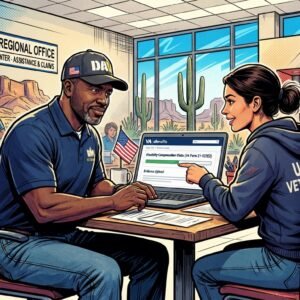
The initial step in the application process involves gathering necessary documentation. Veterans need to collect military service records, medical records, and any paperwork related to the disability claims they are filing. The Department of Veterans Affairs (VA) recommends using the VA’s official website to find specific forms and instructions relevant to each benefit type. Additionally, veterans must complete the application forms accurately and submit them through the designated channels, which may include online submissions or postal mail.
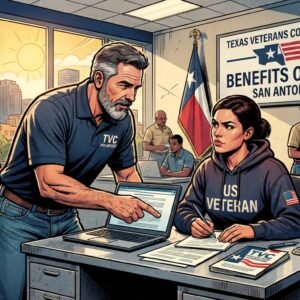
It is also advisable for veterans to consult with a Veteran Service Organization (VSO) for assistance. VSOs provide free services, including help with completing forms and navigating the application process. They can also represent veterans during appeals if claims are denied. Throughout the application journey, it is important to stay organized and maintain copies of all submitted documents.
Online tools and resources are available to facilitate the benefits application process. For example, the VA offers a portal where veterans can track their claims and access updates on their application status. Moreover, support groups and community organizations often provide workshops and seminars that can help veterans understand their rights and the benefits for which they may qualify.
By leveraging available resources and adhering to the outlined processes, veterans can effectively navigate the complexities of claiming their entitled benefits, ensuring that they receive the support they need.
🇺🇸 IMPORTANT DISCLAIMER – Veterans Benefits Information
This site provides general information about U.S. Department of Veterans Affairs (VA) benefits for educational and informational purposes only.
- Not Official: We are NOT affiliated with, endorsed by, or connected to the U.S. Department of Veterans Affairs (VA), the Veterans Benefits Administration (VBA), the Veterans Health Administration (VHA), or any other government agency.
- No Legal/Financial Advice: The content on this website is for informational purposes only and does not constitute legal, financial, or medical advice. VA benefits rules change frequently – always consult with an accredited Veterans Service Officer (VSO) or a qualified professional for your specific situation.
- Official Sources: For official, binding information and to apply for benefits, always visit official .gov websites: VA.gov, Benefits.VA.gov, or SSA.gov.
- No Data Collection: This site does not collect, store, or process any personal information. It does not have login forms, contact forms, or any system to capture user data. We never ask for your Social Security Number, bank details, or any personal information.
- 🚨 Scam Alert: The VA and other government agencies never charge fees for benefit applications. If anyone asks for money to "process" your VA claim, it is a scam. Report it to the VA Office of Inspector General at VA.gov/OIG.
- Advertising: This site uses third-party advertising (Adsterra) to cover operational costs. We do not endorse or guarantee any products or services advertised.
📌 Information provided as of June 2026. Always verify current eligibility and rules with official .gov sources.
This site is not affiliated with the U.S. Department of Veterans Affairs or any government agency. All information is for educational purposes only. Please visit VA.gov for official information.
