

Understanding VA Disability Claims
VA disability claims are formal requests made by veterans to receive benefits for disabilities that are a direct result of their military service. These claims are a crucial mechanism through which veterans seek compensation for physical and mental health conditions that impact their quality of life. It is imperative to comprehend who is eligible to file a claim and the scope of disabilities that the VA covers in order to navigate the claims process effectively.
Eligibility to file a VA disability claim generally extends to individuals who have served in the active military, naval, or air service and have received a discharge under conditions other than dishonorable. Veterans seeking benefits must demonstrate that their disabilities are connected to their service. This connection can be established through various forms of evidence, such as medical records, service treatment records, or personal statements.

The range of disabilities covered under VA disability claims includes physical injuries, mental health conditions, and illnesses that can be attributed to military service. Common examples include post-traumatic stress disorder (PTSD), traumatic brain injuries, and orthopedic injuries. The VA recognizes a wide array of conditions, including those that may not become evident until years after service, highlighting the importance of understanding the nuances within the claims process.

The process of filing a claim is essential for veterans to access the support they require. Through this system, veterans seek not only financial compensation but also healthcare services tailored to address their specific needs. Furthermore, the VA takes the responsibility of thoroughly evaluating each claim to ensure that all eligible veterans receive their due entitlements. Thus, understanding the parameters of VA disability claims is fundamental for veterans who wish to advocate for their rights and secure their benefits.
The Claims Process Explained
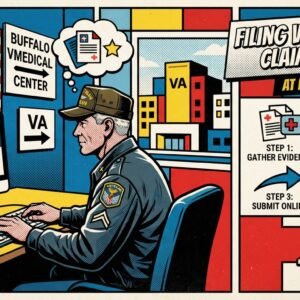
The VA disability claims process involves several steps, each requiring specific actions and documentation from the applicant. Understanding each stage can significantly streamline the submission and improve the likelihood of a favorable outcome. Initially, the process begins with the filing of a claim. Veterans can submit their claims either online, through the mail, or in person at a local VA office. It is essential to accurately complete the application form, as any errors or omissions can cause delays.
Once the claim is submitted, it enters the “Evidence Gathering” phase. Here, the VA collects evidence necessary to support the claim, which can include service treatment records, medical evaluations, and any additional documentation that may corroborate the veteran’s allegations. This stage can be one of the lengthiest parts of the process, as it often involves coordination with various departments and external entities.
Following evidence gathering, the claim progresses to the decision review phase. During this time, VA officials analyze the compiled evidence and make a determination regarding the claim. This decision phase can take anywhere from a few weeks to several months, depending on the complexity of the case and the availability of necessary records.
Veterans May Qualify for Extra Benefits
Check available financial assistance, healthcare programs and other opportunities that may apply to you.
Check EligibilityAfter the VA reaches a decision, the veteran will receive a notification letter detailing the outcome. If the claim is granted, the letter will specify the amount of disability compensation awarded and the effective date. In situations where the claim is denied, the veteran will be provided with information on the reasoning for the denial and options for appealing the decision.
Overall, veterans can expect the entire claims process to take several months to a year or more, making it critical to remain patient and proactive throughout each phase. Keeping track of important dates and maintaining communication with the VA can help veterans navigate their claims more effectively.
What Does “Evidence Gathering” Entail?
In the context of VA disability claims, the term “evidence gathering” refers to the process of collecting various types of documentation and information that substantiate a veteran’s claim for benefits. This step is crucial as it directly affects the evaluation of a claim’s merit. To facilitate a thorough assessment, the Department of Veterans Affairs (VA) requires specific types of evidence that can effectively demonstrate the connection between a veteran’s military service and their current disability.
One of the primary forms of evidence is medical records. These documents typically include treatment histories, diagnosis reports, and any relevant medical examinations that have been conducted. It is essential that these records are comprehensive and up to date to provide an accurate reflection of the veteran’s health status. In many cases, private medical providers can play a vital role in supplying these essential records.
Additionally, service records serve as another crucial type of evidence. These records detail a veteran’s military history, including deployments, assignments, and any incidents that may have contributed to the onset of their disability. Service records help to establish the necessary link between the military experience and the resulting health condition.
Furthermore, personal statements from the veteran and credible witnesses can supplement medical and service records. These statements often provide insights into the veteran’s daily struggles and the impact of the disability on their quality of life. Collectively, these multiple forms of documentation create a robust foundation for the VA to evaluate and determine the legitimacy of the disability claim.
The Importance of Evidence in VA Claims
The role of evidence in VA disability claims is fundamental to the success of a claim. The U.S. Department of Veterans Affairs (VA) relies heavily on submitted evidence to evaluate claims for disability compensations. This evidence serves as the cornerstone for establishing not only the occurrence of the condition but also its direct connection to military service. Without sufficient and credible evidence, the likelihood of a favorable decision diminishes significantly.
When evaluating claims, the VA considers several types of evidence. This can include service medical records, private medical records, letters from medical professionals, personal statements from veterans, and any other documentation that corroborates the veteran’s condition and its origin. Each form of evidence plays a distinct role. For instance, service medical records may provide insight into the immediate health context surrounding a veteran’s injuries or medical conditions sustained during their service. Meanwhile, private medical records can provide ongoing evidence of how these conditions have developed over time.
The VA’s decision-making process is thorough; it evaluates evidence based on its credibility, relevance, and the quality of documentation presented. The overall impact of the evidence on the claim is significant, as it essentially shapes the narrative that the decision-makers consider. Ensuring that evidence is well-organized, clear, and comprehensive can potentially expedite the claim process and enhance the chances of receiving benefits.
In conclusion, the importance of evidence in VA disability claims cannot be overstated. Adequate and well-documented evidence forms the basis for a successful claim, facilitating the VA’s ability to make informed decisions regarding entitlements. Veterans must prioritize gathering and submitting robust evidence to support their claims effectively, thus enabling a smoother pathway toward obtaining the benefits they rightfully deserve.
Common Types of Evidence Required
When veterans file a VA disability claim, they must provide adequate evidence to support their assertions regarding the extent of their disabilities. Among the various forms of evidence that can be submitted, medical examinations, buddy statements, and treatment records are the most frequently utilized.
Medical examinations play a crucial role in the evidence-gathering process. These evaluations typically include comprehensive physical and mental health assessments conducted by qualified medical professionals. The findings from these examinations not only help to establish the presence of a disability but also provide insights into its severity. Veterans should ensure that these examinations are thorough and explicitly detail how the disability affects their daily functioning.
In addition to medical examinations, buddy statements serve as valuable supplementary evidence. These statements are written testimonies from friends, family members, or fellow service members who can attest to the veteran’s condition and the impact it has had on their life. Buddy statements can provide a different perspective on the veteran’s challenges and reinforce the claims made regarding the disability. The personal accounts included in these statements are essential for demonstrating how the disability affects the veteran in everyday situations.
Finally, treatment records are a critical component of the evidence chain. These documents, which include details of previous diagnoses, treatments, and ongoing care, help paint a complete picture of the veteran’s medical history. Treatment records can corroborate the claims filed by veterans, offering a timeline of care that supports the necessity of the disability benefits. Collectively, these forms of evidence contribute to a robust claim and are fundamental in the VA’s decision-making process regarding disability status.
How to Gather Evidence Effectively
Gathering evidence for a VA disability claim is a crucial step that can significantly influence the outcome of your case. To support your application, it is essential to compile comprehensive and well-documented evidence. Here are some practical tips that veterans can use to gather evidence effectively.
First, access your medical records. These records serve as the backbone of any disability claim, as they provide documentation of your medical history and treatment. To obtain your medical records, contact the medical facilities where you have received care. You may need to complete a release form or submit a request through the VA’s patient portal. Ensure that your request covers all relevant periods of treatment to offer a complete picture of your health condition.
Second, obtaining statements from witnesses can bolster your claim. This may include affidavits or letters from family members, friends, or coworkers who can testify about your condition and its impact on your daily life. When requesting statements, provide clear guidelines on what they should include, focusing on specific examples or observations of how your disability affects your ability to work or live independently.
Additionally, it is beneficial to gather any relevant documentation, such as discharge papers, incident reports, and prior claim decisions, that may support your current claim. Engaging in thorough research can help identify potential sources of documentation. Online databases, state archives, and VA resources can serve as valuable repositories for pertinent records.
Lastly, keep organized records of all your gathered evidence. This will facilitate an efficient review process and allow you to present a comprehensive claim to the VA when submitting your application. By following these strategies, veterans can enhance their evidence gathering efforts, ultimately improving their chances of a successful claim.
Challenges with Evidence Gathering
Veterans navigating the evidence-gathering phase of their VA disability claims often encounter a myriad of challenges that can significantly alter the outcome of their claims. One prevalent issue is the difficulty in obtaining medical records from various healthcare providers. Veterans may have received treatment from multiple hospitals or providers over the years, and retrieving those records can be a time-consuming and often frustrating process. In some cases, these facilities may have outdated practices or insufficient staff to handle record requests promptly, leaving veterans facing delays that are beyond their control.
Another challenge that veterans face is the potential unavailability of service records, particularly for those who served in older conflicts. Discharges, transfers, and other administrative actions can result in missing or incomplete records that are crucial for substantiating a claim. If certain records are unlocatable, it places veterans at a disadvantage, potentially hindering their ability to prove the service connection necessary for their claims.
Moreover, lack of guidance during this phase may leave veterans uncertain about what specific evidence is needed, increasing their vulnerability to oversight. This confusion can cause them to overlook critical documents or fail to seek sufficient corroborative evidence. For veterans whose claims require objective fall-back documents, such as witness statements or lay evidence from family members, they may also struggle to convey the significance of their conditions. The absence of thorough documentation not only hampers the effectiveness of their cases but may also lead to delays or denials due to insufficient evidence.
These challenges illustrate the importance of a well-organized approach to evidence gathering. Veterans must be proactive, seeking assistance when needed, and ensuring they utilize all available resources to compile a comprehensive set of documents in support of their claims. Addressing these logistical and informational barriers is crucial for improving the chances of a favorable outcome in their VA disability claims.
The Role of Representation in Claims
When navigating the complexities of a VA disability claim, utilizing a representative can significantly enhance the process, particularly during the evidence-gathering stage. Veterans’ service organizations (VSOs) offer professional assistance, helping claimants understand the intricacies of the VA claims process while providing access to vital resources and expertise.
One primary advantage of having representation is the ability to collect and compile necessary documentation effectively. This includes medical records, service-related documents, and other forms of evidence relevant to the claim. Representatives are well-versed in what constitutes sufficient evidence and can guide veterans in obtaining supporting materials that strengthen their case. A thorough approach to evidence gathering ensures that all pertinent information is submitted during the initial claim, minimizing the possibility of delays associated with incomplete submissions.
Moreover, representatives can facilitate communication with the VA, streamlining correspondence and allowing veterans to focus on recovery rather than administrative hurdles. This advocacy is particularly beneficial during the evidence-gathering phase, as representatives can identify gaps in the documentation and proactively seek the necessary information before submitting a claim. Such proactive measures can lead to more efficient processing times and ultimately a more favorable outcome.
Furthermore, veterans’ service organizations offer ongoing support throughout the claim process. They remain available to address questions, provide updates on claim status, and assist with any appeals, if necessary. This comprehensive support not only speeds up evidence gathering but also helps veterans feel more empowered and informed as they pursue their rightful benefits. Thus, engaging with a representative plays a crucial role in enhancing the overall effectiveness of VA disability claims, particularly in regards to evidence gathering.
What to Expect After Evidence Submission
Once veterans have submitted their evidence for a VA disability claim, it is crucial to understand the subsequent steps in the review process. Firstly, the VA aims to complete its review efficiently. Generally, after evidence submission, the anticipated timeline for claim processing can vary but typically spans from a few weeks to several months, depending on the complexity of the case and the volume of claims being processed.
During this period, veterans may receive notifications from the VA regarding the progress of their claim. It is not uncommon for the VA to make additional requests for information or clarification, especially if any submitted documentation raises questions or if further evidence is required to substantiate the claim. Being proactive and prepared for such requests can facilitate a smoother review process. Veterans are encouraged to respond promptly to these requests to help expedite their claims.
Throughout the waiting period, veterans should regularly check the status of their claim. This can be done via the VA’s online portals, by phone, or by reaching out directly to a Veteran Service Officer (VSO) who can provide assistance. Staying informed about the claim status is crucial, as it enables veterans to take timely action if complications arise or if further evidence is needed. By maintaining communication with the VA and adhering to any additional requests, veterans can play an active role in ensuring an efficient review of their claims.
In conclusion, understanding the processes following evidence submission is essential for veterans navigating the VA disability claim system. Being prepared for possible additional requests and staying engaged with the claim status can significantly aid in achieving a favorable outcome.

🇺🇸 IMPORTANT DISCLAIMER – Veterans Benefits Information
This site provides general information about U.S. Department of Veterans Affairs (VA) benefits for educational and informational purposes only.
- Not Official: We are NOT affiliated with, endorsed by, or connected to the U.S. Department of Veterans Affairs (VA), the Veterans Benefits Administration (VBA), the Veterans Health Administration (VHA), or any other government agency.
- No Legal/Financial Advice: The content on this website is for informational purposes only and does not constitute legal, financial, or medical advice. VA benefits rules change frequently – always consult with an accredited Veterans Service Officer (VSO) or a qualified professional for your specific situation.
- Official Sources: For official, binding information and to apply for benefits, always visit official .gov websites: VA.gov, Benefits.VA.gov, or SSA.gov.
- No Data Collection: This site does not collect, store, or process any personal information. It does not have login forms, contact forms, or any system to capture user data. We never ask for your Social Security Number, bank details, or any personal information.
- 🚨 Scam Alert: The VA and other government agencies never charge fees for benefit applications. If anyone asks for money to "process" your VA claim, it is a scam. Report it to the VA Office of Inspector General at VA.gov/OIG.
- Advertising: This site uses third-party advertising (Adsterra) to cover operational costs. We do not endorse or guarantee any products or services advertised.
📌 Information provided as of June 2026. Always verify current eligibility and rules with official .gov sources.
This site is not affiliated with the U.S. Department of Veterans Affairs or any government agency. All information is for educational purposes only. Please visit VA.gov for official information.
