

Understanding the VA: An Overview of Services
The Department of Veterans Affairs (VA), established to provide crucial support to military veterans, has consistently evolved to meet the needs of those who have served in the armed forces. The mission of the VA is to honor veterans by providing high-quality healthcare services, delivering comprehensive benefits, and facilitating a smooth transition to civilian life. The service continues to extend its benefits to encompass various areas, including education, home loans, and life insurance, with a significant emphasis placed on healthcare and claims processing.
In terms of healthcare, the VA offers a wide array of services that includes routine check-ups, mental health treatment, specialized programs for substance abuse, and rehabilitation services. Veterans can access a network of VA medical centers, outpatient clinics, and community-based outpatient clinics, all designed to cater to the specific health needs of veterans. Understanding these resources is essential for veterans, particularly as the methods for enrollment and service delivery are set to undergo further enhancements by 2026.

Claims processing remains one of the most vital areas managed by the VA, as veterans seek to obtain benefits for service-related disabilities and other entitlements. The VA employs a systematic approach to handling claims, ensuring that veterans receive fair assessments of their applications. In 2026, it is expected that advancements in technology will facilitate smoother and more transparent claim submissions and reviews, potentially shortening wait times and improving the overall experience for veterans. It is important for veterans to familiarize themselves with the claim process, including the necessary documentation and eligibility requirements.

Additionally, the VA emphasizes the importance of outreach and education, aiming to empower veterans with the knowledge they need to utilize the available services effectively. As they navigate the complexities of claims and healthcare, they will find a range of supportive tools and resources at their disposal. This structured support is essential for ensuring that veterans receive the respect and assistance that aligns with their service and sacrifices.
Navigating the Claims Process in 2026
As we move into 2026, the claims process for veterans seeking benefits has been streamlined to better serve those who have valiantly served our nation. To successfully navigate this process, it is vital for veterans to understand the necessary documentation required for filing a claim. Generally, this includes service records, medical documentation, and any relevant personal identification that can substantiate a claim. It is also advantageous to gather supporting statements from family members or fellow service members who can provide additional context to the claim.
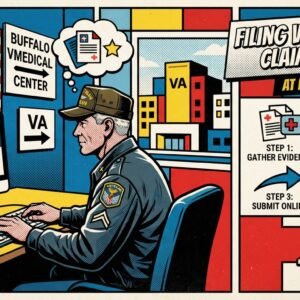
Once the required documentation is collected, veterans can initiate the claims process. This may be done through the Veterans Affairs (VA) website, via mail, or by visiting a local VA office. The application process has recently been enhanced with an online portal that allows claimants to track their application status in real time, ensuring greater transparency and user engagement.
The VA has introduced several key changes in 2026 that simplify the claims process, including clearer guidelines and improved communication strategies between the VA and applicants. Veterans can expect to receive detailed notifications about their claims at each stage, which helps to alleviate concerns regarding the status of their claims. The average timeline for processing claims has also been reduced, allowing veterans to receive their benefits in a more timely manner.
Veterans May Qualify for Extra Benefits
Check available financial assistance, healthcare programs and other opportunities that may apply to you.
Check EligibilityAdditionally, veterans are encouraged to seek support from both VA representatives and veteran service organizations. These entities provide valuable resources and assistance throughout the claims process, helping to ensure that claims are completed accurately and submitted efficiently. With these tools and knowledge, veterans should feel empowered to navigate the claims process as they pursue the benefits they have earned.
Health Care Services Available to Veterans
The Department of Veterans Affairs (VA) provides a comprehensive array of health care services tailored to meet the unique needs of veterans. As of 2026, the VA healthcare system includes primary care, specialty care, and mental health services, all designed to ensure that veterans receive the highest standard of medical attention. Primary care functions as the foundation of the VA’s health care offerings, providing veterans with access to routine check-ups, preventive care, and management of chronic conditions. These services are accessible through an extensive network of VA medical centers and outpatient clinics located across the country.
Beyond primary care, the VA has significantly enhanced its specialty care services, enabling veterans to receive advanced treatment in areas such as cardiology, orthopedics, and women’s health. This expansion is A result of ongoing efforts to reduce wait times and improve service delivery. As part of this initiative, virtual care options have also been broadened, allowing veterans to consult with specialists without the need for in-person appointments, thereby increasing convenience and efficiency.
Mental health services remain a pivotal component of the VA’s healthcare system. Recognizing the importance of addressing mental health issues, the VA offers a range of services that include counseling, therapy, and medication management. Initiatives have been launched to ensure that veterans who experience post-traumatic stress disorder (PTSD) and other mental health challenges can access timely and effective treatment. The availability of telehealth services has also paved the way for veterans to receive mental health care from the comfort of their homes, reducing barriers to seeking help.
As we move forward, the VA is committed to continuously improving healthcare services for veterans, focusing on accessibility, quality, and responsiveness to the needs of those who have served. These enhancements serve to reinforce the VA’s dedication to ensuring that all veterans can access the comprehensive care they deserve.
New Technologies Enhancing VA Customer Service
The Department of Veterans Affairs (VA) has recognized the necessity of adopting advanced technologies to enhance its customer service offerings to veterans seeking assistance with claims and healthcare. By integrating modern technologies, the VA aims to simplify processes, ensuring that veterans can access vital information with ease and efficiency.
One significant advancement is the introduction of online portals that allow veterans to submit and track their claims electronically. These online interfaces are designed to provide real-time updates, reducing the need for in-person visits and minimizing wait times. With a streamlined process, veterans are empowered to manage their claims more effectively, thereby improving their overall experience. This shift toward digital platforms signifies the VA’s commitment to evolving its service model to align with contemporary expectations.
Telehealth services represent another critical innovation that enhances access to healthcare for veterans. With the increasing demand for remote healthcare services, especially evident during the recent global health crisis, the VA has expanded its telehealth offerings. This service enables veterans to consult with healthcare providers from the comfort of their homes, thus eliminating barriers related to travel and time constraints. Telehealth ensures that veterans receive timely medical attention while maintaining their safety and convenience.
Moreover, mobile applications tailored specifically for veterans have been developed to further facilitate access to healthcare and claims information. These apps allow users to view appointment schedules, access medical records, and connect with VA representatives directly from their mobile devices. By harnessing the capabilities of smartphones, the VA enhances communication and provides a more user-friendly interface for veterans to navigate their health and claims services.
Overall, the incorporation of these technologies signifies an unwavering commitment on the part of the VA to continuously improve customer service, ensuring that veterans can conveniently access the assistance they require.
Assistance Programs for Veterans and Their Families
The Department of Veterans Affairs (VA) provides a diverse range of assistance programs tailored to meet the needs of veterans and their families. These programs encompass educational benefits, housing assistance, and transitional services, all designed to support veterans as they reintegrate into civilian life.
One of the key components of VA assistance is the educational benefits available under the Post-9/11 GI Bill, which offers financial support for veterans pursuing higher education. Eligible veterans can receive tuition and fees coverage as well as a monthly housing allowance. To access these benefits, veterans must submit an application through the VA’s online platform, ensuring they meet the eligibility criteria, which generally include factors such as length of service and discharge status.
In addition to educational support, the VA offers comprehensive housing assistance programs, aimed at helping veterans secure safe and affordable living conditions. The HUD-VASH program is one prominent example, providing housing vouchers for veterans experiencing homelessness. Eligibility for this program is determined through a combination of criteria, including income levels and the nature of veterans’ service. Veterans interested in housing assistance should reach out to their local VA office or visit the VA website to find specific resources tailored to their needs.
Furthermore, transitional services are available to veterans as they navigate the shift from military to civilian life. The VA offers various programs such as the Transition Assistance Program (TAP), which provides workshops and resources to prepare veterans for job searching and financial planning. Those interested should contact their local VA office to explore available resources and ensure they can benefit from these essential services.
Support Networks: Connecting with Local VA Offices and Resources
For veterans seeking assistance with claims and health care, establishing connections with local VA offices is crucial. These offices serve as accessible points where veterans can receive personalized guidance and support tailored to their specific needs. Engaging with local VA offices enables veterans to discuss their circumstances, receive updates on their claims status, and gain insights into available health care services.
Furthermore, it is essential for veterans to cultivate relationships with various local resources, including veterans’ organizations and community partners. Local veterans’ organizations, such as the American Legion, VFW, and Disabled American Veterans, often provide a wealth of knowledge and resources, hosting numerous programs designed to assist veterans in navigating the complexities of benefits and health care.
Additionally, community partners play a fundamental role in this support network. Local non-profits, healthcare facilities, and educational institutions frequently collaborate with VA offices to offer a diverse range of services. This collaborative approach not only broadens the spectrum of available support but also helps build a sense of community among veterans. By engaging with these entities, veterans can find supplementary services such as job training programs, mental health counseling, and social support, all of which are instrumental in enhancing their quality of life.
To initiate these connections, veterans should consider visiting the official VA website to locate their nearest VA office and learn about local veterans’ organizations. Regular attendance at community gatherings or workshops can also facilitate the formation of valuable networks. Establishing these relationships not only provides veterans with immediate access to support but fosters a continuous environment of collaboration within the veteran community.
Tips for Effective Communication with VA Representatives
Effective communication is critical for veterans seeking assistance with claims and health care from the Department of Veterans Affairs (VA). The following tips are designed to enhance the interaction experience with VA representatives, ensuring that concerns are articulated clearly and responses are received promptly.
When engaging with VA representatives over the phone, it is advisable to prepare a list of specific questions or issues beforehand. This preparation can help veterans stay focused during the conversation and ensure that all pertinent topics are covered. It is also beneficial to have necessary documentation on hand, such as claim numbers or medical records, which can aid representatives in providing accurate information and assistance promptly.
For email communications, clarity and brevity are key. Begin with a concise subject line that summarizes the main inquiry or issue. In the body of the email, veterans should provide a clear description of their situation, including any relevant details that might expedite the response. Additionally, using a respectful tone can foster a positive rapport with the representatives, enhancing the likelihood of a helpful reply.
During in-person visits, veterans should not hesitate to express their needs openly. It is often helpful to schedule appointments in advance to reduce wait times and increase the likelihood of having dedicated time with a representative. Bringing a companion, such as a family member or another veteran, can also provide emotional support and ensure all necessary questions are posed. Furthermore, notes taken during the meeting can serve as references for future inquiries or follow-ups.
By employing these strategies, veterans can facilitate smoother communication with VA representatives, ultimately leading to more effective assistance in navigating the complexities of claims and health care services.
Staying Informed: Resources for Updates on VA Policies
In 2026, staying informed about the latest information on VA policies is crucial for veterans seeking assistance with claims and healthcare. Various credible sources can help veterans navigate the complexities of the Department of Veterans Affairs and ensure they are up to date with the requisite changes in policies or procedures.
One of the most reliable sources for current information is the official VA website. This platform provides comprehensive details regarding benefits, eligibility criteria, and updates on various programs. The website is frequently updated and contains announcements relevant to claims, healthcare, and other veteran services that can empower veterans to access the help they need efficiently.
Additionally, veterans should consider following reputable organizations such as the Veterans of Foreign Wars (VFW) and the American Legion. These organizations operate advocacy programs that aim to keep veterans informed about legislative changes and policy updates. They also offer support services and can provide insights on navigating the VA’s processes.
Social media platforms can also serve as helpful tools for staying updated. The VA has official accounts on Twitter and Facebook, where they post announcements. Following these accounts can facilitate quick access to information. Furthermore, various veteran-focused groups on social media often share updates and personal experiences that can be beneficial in understanding new policies.
Veterans should also engage with local veteran service organizations (VSOs) in their communities. These grassroots organizations often hold informational sessions and provide personalized support, which can be invaluable in comprehensively understanding VA resources and services.
Looking Ahead: The Future of VA Customer Service
The future of VA customer service appears poised for transformation as we approach and surpass the year 2026. With the steady advancement of technology and continuous feedback from veterans, we can predict key changes in how the Department of Veterans Affairs (VA) will manage claims and healthcare services. One primary area of focus is the enhancement of digital platforms to streamline claim processing. Veterans expect faster, more efficient methods to file and track their claims. Innovations in artificial intelligence and machine learning could significantly reduce the time required for decision-making, ultimately improving overall satisfaction.
The VA’s commitment to improving healthcare access and service delivery is likely to grow in importance. As telehealth continues to gain acceptance, we may see an expansion of virtual care options tailored to the unique needs of veterans. This shift may also address geographical barriers faced by those residing in rural areas, allowing increased access to specialists and comprehensive care without necessitating travel to urban centers.
Despite these promising developments, ongoing challenges are expected to persist. The VA must work diligently to resolve issues regarding backlog and inefficiencies in claims processing. Moreover, ensuring well-trained staff to assist veterans effectively will remain critical. As the demographic of veterans continues to evolve, the VA must respond to the changing needs of diverse populations, including women veterans and younger veterans who have unique healthcare requirements.
Overall, while the future of VA customer service holds promise for significant improvements, vigilance in addressing potential pitfalls and remaining responsive to veterans’ needs will be paramount. The coming years will undoubtedly bring valuable lessons that will shape the VA’s approach to customer service in claims and healthcare, ensuring better outcomes for all veterans.
🇺🇸 IMPORTANT DISCLAIMER – Veterans Benefits Information
This site provides general information about U.S. Department of Veterans Affairs (VA) benefits for educational and informational purposes only.
- Not Official: We are NOT affiliated with, endorsed by, or connected to the U.S. Department of Veterans Affairs (VA), the Veterans Benefits Administration (VBA), the Veterans Health Administration (VHA), or any other government agency.
- No Legal/Financial Advice: The content on this website is for informational purposes only and does not constitute legal, financial, or medical advice. VA benefits rules change frequently – always consult with an accredited Veterans Service Officer (VSO) or a qualified professional for your specific situation.
- Official Sources: For official, binding information and to apply for benefits, always visit official .gov websites: VA.gov, Benefits.VA.gov, or SSA.gov.
- No Data Collection: This site does not collect, store, or process any personal information. It does not have login forms, contact forms, or any system to capture user data. We never ask for your Social Security Number, bank details, or any personal information.
- 🚨 Scam Alert: The VA and other government agencies never charge fees for benefit applications. If anyone asks for money to "process" your VA claim, it is a scam. Report it to the VA Office of Inspector General at VA.gov/OIG.
- Advertising: This site uses third-party advertising (Adsterra) to cover operational costs. We do not endorse or guarantee any products or services advertised.
📌 Information provided as of June 2026. Always verify current eligibility and rules with official .gov sources.
This site is not affiliated with the U.S. Department of Veterans Affairs or any government agency. All information is for educational purposes only. Please visit VA.gov for official information.
