

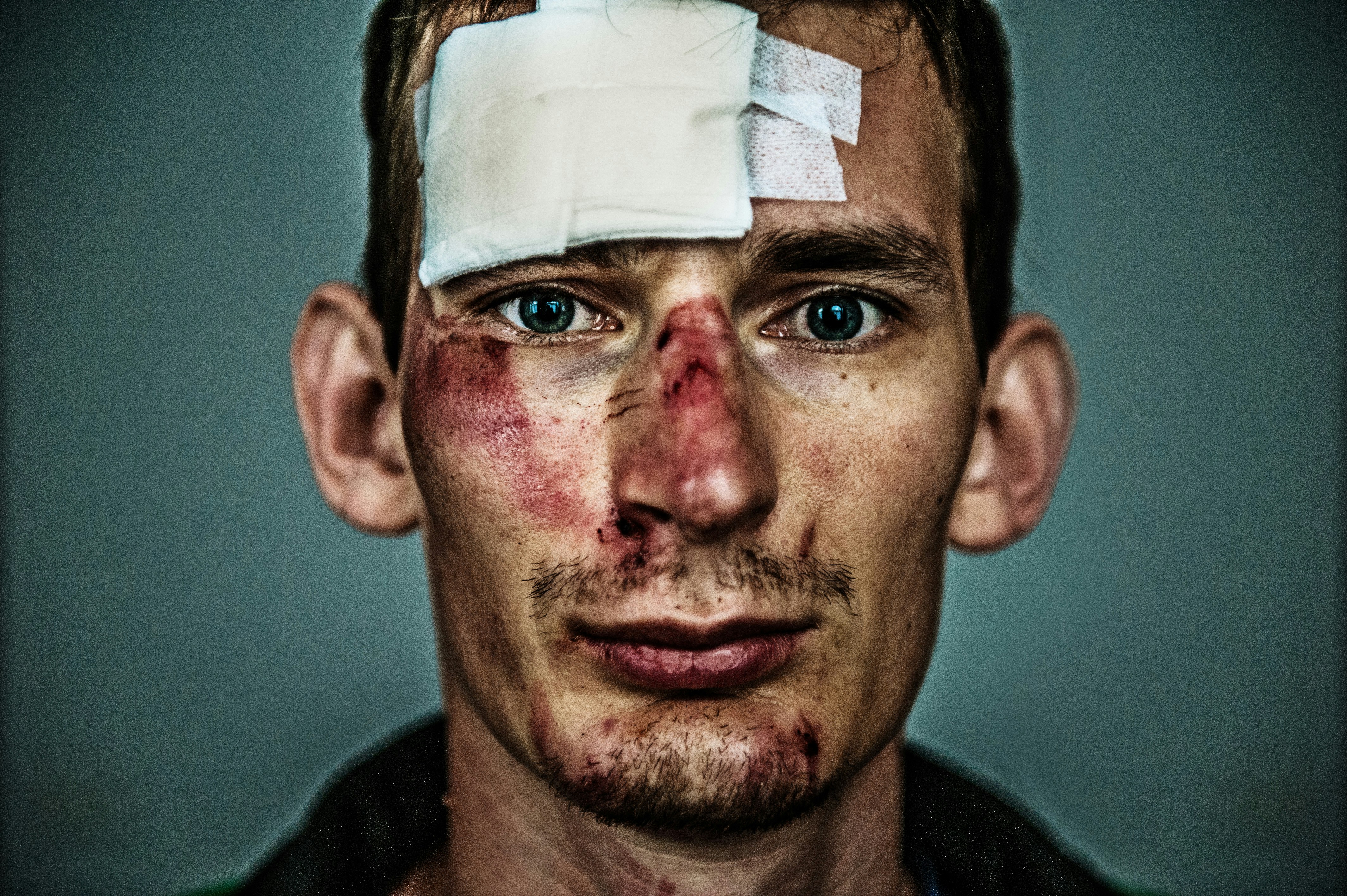
What is Traumatic Brain Injury?
Traumatic Brain Injury (TBI) refers to an array of conditions resulting from an external force impacting the brain. It encompasses a diverse spectrum of injuries ranging from mild concussions to severe brain injuries that can lead to long-term consequences. TBI occurs when there is a disruption in normal brain function, often caused by a blow, jolt, or penetrating injury to the head. The severity of TBI typically falls into three categories: mild, moderate, and severe, each defined by specific criteria such as loss of consciousness, amnesia, and the duration of altered consciousness.
for the $3,000 Special Allowance
The most common causes of TBI are external forces that exert a significant impact on the head. Falls remain the leading cause, particularly among older adults and young children. Motor vehicle accidents are another prevalent cause, as occupants may experience abrupt impacts. Sports injuries, particularly in contact sports, also contribute to the incidence of TBI among athletes of all ages. Each of these causes highlights the vulnerability of the brain to external trauma.

Understanding TBI requires recognizing its various manifestations. Mild TBI, often referred to as a concussion, may result in temporary symptoms such as confusion, dizziness, and headaches. In contrast, moderate TBI can present more severe symptoms, including prolonged unconsciousness and memory loss. Severe TBI, which may involve extensive brain damage, can lead to profound cognitive deficits, personality changes, and significant functional impairments. Medical evaluation and imaging techniques such as CT scans or MRIs are crucial in diagnosing the extent of brain injury and guiding appropriate treatment.
Types and Causes of TBI

Traumatic Brain Injury (TBI) can be categorized into several types, each with distinct characteristics and causes. Three common forms of TBI include concussions, contusions, and penetrating injuries. A concussion, often referred to as a mild TBI, occurs when the head is subjected to a sudden jolt or blow, leading to temporary disruption of brain function. Concussions are prevalent in contact sports such as football and rugby, where players frequently collide with each other or the ground.
Contusions, on the other hand, are defined as bruises on the brain resulting from a direct impact to the head. This type of injury can cause swelling and bleeding in the brain, leading to more severe symptoms than a concussion. Contusions often arise from falls, car accidents, or physical altercations. Interestingly, data from the Centers for Disease Control and Prevention (CDC) highlights that individuals aged 15 to 24 are at a higher risk of sustaining a contusion due to higher levels of physical activity and risk-taking behavior.
Penetrating injuries involve an object breaking through the skull and entering the brain, causing significant damage. Such injuries commonly occur in cases of gunshot wounds, stabbings, or severe accidents involving sharp objects. These types of TBIs are less common but tend to result in more severe outcomes compared to concussions or contusions. Statistical evidence indicates that males are more likely to experience penetrating injuries, underscoring the need for targeted prevention strategies among at-risk populations.
The causes of TBI are diverse, but common factors include falls, vehicle-related incidents, and violence. According to data from the CDC, falls are the leading cause of TBI among older adults, while motor vehicle crashes hold substantial responsibility within younger demographics. By understanding the types and causes of TBI, individuals and communities can implement better prevention and education measures, ultimately reducing the incidence of these serious injuries.
Signs and Symptoms of TBI
Traumatic Brain Injury (TBI) manifests a range of signs and symptoms that can significantly differ based on the severity of the injury. These can be broadly categorized into physical, cognitive, emotional, and sleep-related issues. Recognizing the varied symptoms is crucial for accurate diagnosis and effective management.
Physical symptoms of TBI often include headaches, dizziness, and balance problems. Individuals may experience nausea or vomiting, sensitivity to light or sound, and fatigue. In more severe cases, there could be loss of consciousness or seizures. The intensity of these physical manifestations can vary; for instance, a mild TBI may only result in a headache, while a severe injury could lead to significant neurological deficits.
Cognitive symptoms are also common among individuals who have sustained a TBI. These can manifest as confusion, difficulty concentrating, memory problems, or impaired judgment. Patients might find it challenging to process information or have trouble with problem-solving. Cognitive symptoms can particularly affect daily functioning and quality of life.
Emotional symptoms may include mood swings, irritability, anxiety, and depression. Emotional instability is prevalent after a TBI, with individuals often experiencing changes in their personality or heightened emotional responses. Such emotional challenges can have profound implications for interpersonal relationships and overall well-being.
Additionally, sleep-related issues frequently arise in individuals with TBI. This may encompass difficulties in falling asleep, frequent awakenings, or a general sense of fatigue, regardless of sleep quality. Sleep disturbances can exacerbate other symptoms, making it even more critical to address them as part of a comprehensive treatment plan.
In summary, the signs and symptoms of TBI are diverse and can impact various facets of life. Understanding these manifestations is essential for timely and effective intervention, ultimately improving outcomes for those affected by this complex condition.
Diagnosis and Assessment
Diagnosing a Traumatic Brain Injury (TBI) involves a multifaceted approach that requires a thorough understanding of the individual’s medical history, a series of neurological examinations, and advanced imaging techniques. The process begins with a detailed evaluation of the patient’s medical history, which is crucial in understanding any prior brain injuries or health conditions that may influence the current situation. Clinicians inquire about the circumstances surrounding the injury, such as the mechanism of impact and the extent of loss of consciousness, if applicable.
Following the history assessment, neurological examinations are conducted to evaluate cognitive functions, motor skills, coordination, and sensory capabilities. During these assessments, healthcare professionals check for symptoms such as confusion, memory loss, and behavioral changes that are indicative of a TBI. This clinical evaluation plays a pivotal role in forming a preliminary diagnosis and determining the severity of the injury.
In many cases, imaging tests are essential to validate the findings from the physical examination. Commonly employed imaging techniques include Computed Tomography (CT) scans and Magnetic Resonance Imaging (MRI). CT scans provide immediate images of the brain, allowing for the identification of bleeding, swelling, or structural abnormalities. In contrast, MRIs offer a more detailed view of brain tissue and are particularly useful for detecting subtle injuries that may not be visible on CT scans. These imaging modalities are invaluable in guiding treatment decisions and assessing the extent of brain injury.
Early diagnosis is crucial as it significantly influences the outcome and recovery trajectory following a TBI. Regular assessments during the recovery process ensure that any deterioration in the patient’s condition can be promptly addressed. Overall, a combination of medical history, neurological evaluation, and imaging studies stands as the foundation for effective diagnosis and ongoing management of Traumatic Brain Injury.
Treatment Options for TBI
Treatment for Traumatic Brain Injury (TBI) is a multifaceted approach that varies according to the severity of the injury and the individual patient’s needs. Immediate care often begins with emergency interventions aimed at stabilizing the patient, particularly in cases of severe TBI. This may involve monitoring vital signs, ensuring adequate oxygen supply, and managing intracranial pressure to prevent complications. Medical professionals may utilize diagnostic imaging, such as CT scans or MRIs, to assess the extent of brain damage and guide treatment decisions.
In addition to emergency care, various medical interventions can play a crucial role in rehabilitation. Medications are often prescribed to address symptoms associated with TBI, including pain relief, reduction of inflammation, or to manage complications like seizures. In some instances, surgical procedures may be required to alleviate pressure on the brain or to repair structural damage. For instance, a craniotomy may be performed to remove blood clots or to repair skull fractures, providing an essential step in the recovery process.
Beyond medical interventions, therapeutic methods are vital in promoting recovery from TBI. Physical therapy can enhance the patient’s mobility, strength, and coordination, which are often compromised following injury. Similarly, occupational therapy focuses on helping individuals regain independence in daily activities, while speech therapy assists those with communication challenges. Cognitive rehabilitation may also be a necessary component, aiming to improve memory, attention, and problem-solving skills, which can be affected after a TBI.
Overall, the treatment of TBI necessitates a comprehensive approach, combining emergency care, medical intervention, and therapeutic measures to foster recovery and enhance the patient’s quality of life. This multidisciplinary strategy is essential to address the diverse challenges presented by TBI, ensuring that individuals receive tailored support on their journey to rehabilitation.
Long-Term Effects of TBI
Traumatic Brain Injury (TBI) can have profound and lasting effects on individuals, often extending far beyond the immediate aftermath of the injury. One of the most significant aspects of TBI is the potential for chronic symptoms, which can persist for months or even years after the initial incident. These chronic symptoms may include persistent headaches, dizziness, fatigue, sleep disturbances, and cognitive difficulties such as trouble with memory or concentration. As these symptoms become ingrained, they can significantly affect a person’s quality of life.
In addition to physical symptoms, TBI often leads to changes in behavior and personality. Emotional instability, increased irritability, and mood swings may arise, which can be particularly challenging for both the individuals affected and their loved ones. Such behavioral changes can disrupt familial and social relationships, creating a cycle that perpetuates feelings of isolation and frustration. This alteration in personality is often exacerbated by the inability to engage in previously enjoyed activities, thus further impacting social interaction and leading to feelings of depression and anxiety.
Social and occupational functioning can also be substantially affected by the repercussions of TBI. Individuals may find it difficult to maintain employment due to cognitive impairments or emotional instability, which, in turn, can lead to financial strain and decreased self-esteem. The inability to perform in the workplace or engage socially can create barriers to reintegration into society, necessitating support from healthcare professionals and community resources.
Overall, the long-term effects of TBI are multifaceted, influencing not just the individual’s physical health but also their emotional well-being and social connections. Addressing these consequences is vital for improving the life quality of those affected and promoting effective strategies for rehabilitation and support.
Prevention Strategies
Preventing traumatic brain injury (TBI) is crucial, as it not only preserves individual health but also reduces healthcare costs associated with treating such injuries. Various strategies can be implemented across different environments, notably in sports, workplaces, and communities.
In sports settings, safety measures are paramount. Athletes, coaches, and trainers should adhere strictly to rules designed to minimize head injuries. This includes utilizing appropriate helmets for contact sports and ensuring that players demonstrate understanding of the game’s risks. Educational initiatives may also play a significant role, equipping young athletes with knowledge about the signs and symptoms of concussions, thus promoting safer play practices.
In the workplace, organizations can establish safety protocols aimed at minimizing risks associated with head trauma. This includes conducting regular safety audits and promoting the use of personal protective equipment (PPE) such as hard hats in construction or industrial settings. Training sessions should focus on creating awareness about the hazards present in particular jobs, and emergency procedures must be well-documented and easily accessible to all employees. Management’s commitment to fostering a safety culture is instrumental in preventing incidents that could lead to TBIs.
Community awareness campaigns are another effective avenue for preventing TBIs. These initiatives often focus on educating the public about the importance of safety precautions in everyday life. Local governments can collaborate with health organizations to disseminate information regarding safe driving practices, the use of seat belts, and the dangers of distracted driving. Awareness efforts can extend to encouraging responsible recreational activities, promoting the use of safety gear while cycling or skateboarding.
Overall, a multifaceted approach focusing on education, safety equipment, and community involvement is essential for effective TBI prevention.
Support for TBI Survivors and Families
Traumatic Brain Injury (TBI) can profoundly impact the lives of both survivors and their families. The emotional and psychological effects are often extensive and can lead to feelings of isolation, frustration, and depression. It is crucial for individuals affected by TBI to be aware of the available support systems that can provide relief and assistance during this challenging period.
One of the most beneficial forms of support for TBI survivors is counseling services. These services offer a safe environment where individuals can express their feelings and experiences related to their injuries. Trained mental health professionals can help survivors process their emotions, develop coping strategies, and set realistic goals for rehabilitation. This process not only aids the survivor but also helps family members understand the complexities of their loved one’s condition, thereby fostering a more supportive home environment.
In addition to formal counseling, support groups play a vital role in the recovery journey. These groups create a community of individuals who share similar experiences, providing both emotional support and practical advice. Survivors and their family members can benefit from sharing their stories, learning from each other, and gaining insights into managing the changes that accompany TBI. Additionally, these group settings often invite guest speakers, such as rehabilitation experts, who can offer valuable information on coping mechanisms and rehabilitation therapies.
Online resources have also emerged as significant tools in offering support to TBI survivors and their families. Various organizations provide websites filled with articles, forums, and information on local resources. These platforms allow individuals to connect with others across the globe, enabling them to seek advice and share their experiences beyond geographic limitations. The power of an informed and supportive community cannot be underestimated, making these digital resources an essential component in the overall care and recovery process for TBI survivors and their families.
The Future of TBI Research and Treatment
The landscape of research and treatment for traumatic brain injury (TBI) is continually evolving, with significant advancements aimed at improving patient outcomes. Researchers and clinicians are actively exploring novel therapies, rehabilitation techniques, and innovative technologies to address the complexities associated with TBI. This ongoing research is crucial, given the rising incidence of brain injuries related to sports, military combat, and accidents.
One promising area of research focuses on the neurobiological aspects of TBI, including the underlying mechanisms of brain injury and recovery. For instance, studies on neuroplasticity reveal how the brain adapts following trauma, opening pathways for therapies that enhance this natural ability. Additionally, advancements in biomarker research show potential for better diagnosing and monitoring TBI, thereby facilitating timely and customized treatment plans. By identifying specific molecular markers, clinicians can tailor rehabilitation strategies to individual patient needs.
Moreover, rehabilitation techniques are also being refined. Traditional methods are being augmented with cognitive therapies and physical rehabilitation programs. Virtual reality (VR) is emerging as a transformative tool in rehabilitation, providing engaging and controlled environments for patients to practice motor skills and cognitive functions. This engaging approach not only helps in physical recovery but also improves mental health outcomes, addressing the emotional challenges often faced by TBI patients.
Furthermore, the integration of technology in monitoring and treating TBI is becoming more prevalent. Wearable devices that track brain activity and monitor rehabilitation progress are being developed, allowing for real-time data collection and analysis. These advancements could significantly enhance the understanding of recovery trajectories and help in personalizing treatment regimens. Overall, ongoing research in TBI holds promise for innovative solutions that will not only improve recovery processes but also pave the way for a deeper understanding of brain injuries and their long-term effects.