

What is the VA Buddy Statement?
The VA Buddy Statement, formally known as VA Form 21-10210, serves a critical role in assisting veterans during the claims process for disability benefits. This document allows veterans to obtain support from fellow service members, family members, or friends who can provide detailed accounts of incidents, injuries, or experiences that impacted the veteran’s service or health. Such personal testimonies can bolster the credibility of a veteran’s claims, demonstrating the validity of their experiences.
One of the key features of the VA Buddy Statement is its flexibility in terms of who can provide the statement. Typically, any individual with direct knowledge of the veteran’s experiences can submit a statement. This includes individuals who served alongside the veteran, as well as friends or family members who have observed the veteran’s condition post-service. Their unique perspectives can offer invaluable context that may not be readily available through official military records.

In terms of the content included in a Buddy Statement, various forms of information can be documented to strengthen a claim. Details might encompass descriptions of events that occurred during military service, personal observations about the veteran’s behavior or mental health changes, or any corroborating evidence that can illustrate the veteran’s current challenges. An effective Buddy Statement not only corroborates the veteran’s claims but can also provide emotional insights by reflecting the support network surrounding the veteran.

By integrating these personal narratives, the VA Buddy Statement plays a pivotal role in the overall assessment of veterans‘ claims. It highlights the significance of community support and fosters a comprehensive review of each individual case, ultimately impacting the outcome of benefits petitions for those who have served their country.
Who Can Provide a Buddy Statement?
A buddy statement is a crucial part of the VA Form 21-10210 that allows veterans to provide additional context concerning mental and physical health conditions connected to their military service. The effectiveness of a buddy statement primarily hinges upon the credibility and relevance of the individuals who write them. Thus, understanding who is qualified to provide such statements is essential.
Eligible individuals can vary widely but generally include fellow service members, family members, and personal friends, all of whom possess firsthand knowledge of the veteran’s experiences. Each of these individuals is in a unique position to offer critical insights, enriched by their own relationship and interaction with the veteran during their service. For instance, fellow service members can attest to specific incidents that occurred during deployments, helping to corroborate the veteran’s narrative or provide additional context that may not be present in medical records.
Family members can offer a valuable perspective, particularly concerning how military service has affected the veteran’s life after they return home. They are often privy to emotional changes and struggles that the veteran may not openly share, thereby reflecting the impact of military service on their everyday life, relationships, and overall mental well-being. Similarly, friends who have observed the veteran’s struggles can provide compelling testimonials that underscore the lifelong effects of combat or service-related experiences.
Veterans May Qualify for Extra Benefits
Check available financial assistance, healthcare programs and other opportunities that may apply to you.
Check EligibilityUltimately, the value of a buddy statement lies in its ability to present observational evidence that can significantly enhance a claim for benefits. The perspectives provided by these witnesses are vital as they contribute to a more comprehensive understanding of the veteran’s condition, emphasizing the need for their voices within the VA claims process.
How to Complete VA Form 21-10210
Completing the VA Form 21-10210, also known as the VA Buddy Statement, requires careful attention and a systematic approach to accurately convey the veteran’s service-related experiences. This form is vital in supporting a veteran’s claim for benefits, as it allows individuals who know the veteran well to provide detailed accounts of their service.
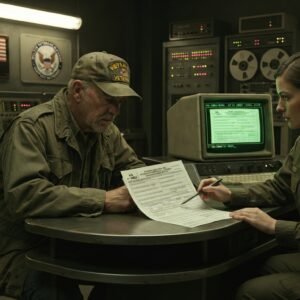
To start, ensure you have the correct version of VA Form 21-10210. This form can be obtained from the official VA website or local VA offices. Begin by filling out the veteran’s personal information, including their full name, Social Security number, and details about service dates. It is crucial that this section is accurate to avoid any processing delays in their claims.
Next, the primary focus of the form involves articulating the experiences and observations related to the veteran’s military service. Provide a clear narrative in which you describe your relationship with the veteran and how you were witness to the events in question. Emphasize specific incidents or challenges faced by the veteran, including dates and locations, which lend credibility to the statement.
To enhance clarity, use straightforward language and avoid jargon. It is helpful to structure your thoughts chronologically, which allows for a clear understanding of the events as they unfolded. Furthermore, detail any noticeable changes in the veteran’s physical or mental health resulting from their service, as this information can significantly impact the claim.
Lastly, before submitting the form, review all details to ensure accuracy and completeness. If possible, seek feedback from a knowledgeable individual to verify the clarity and impact of your narrative. Submitting a well-prepared VA Buddy Statement can play a critical role in the success of the veteran’s claim for benefits.
The Role of Buddy Statements in VA Claims
Buddy statements, commonly known as Form VA 21-10210, are essential documents in the process of filing VA claims. These statements offer firsthand accounts and observations from fellow service members or people who have intimate knowledge of a veteran’s service-related injuries or challenges. The value of these statements lies in their ability to corroborate a veteran’s claims, adding depth and personal testimony to the factual evidence submitted to the VA.
In the realm of VA claims, such statements can significantly influence the outcome by providing context and clarity. A well-documented buddy statement can help establish crucial connections between a veteran’s current health issues and their military service, particularly in cases where medical records may be sparse or incomplete. For instance, a buddy statement detailing an incident where a veteran sustained an injury could transform an ambiguous claim into a credible one, thereby increasing the likelihood of favorable outcomes.
Statistical evidence indicates that the inclusion of buddy statements often correlates with higher approval rates for claims. According to various studies within the realms of veteran affairs, claims supported by buddy statements are more likely to be approved compared to those without such documentation. This underscores the importance of enlisting the support of knowledgeable individuals who can lend their perspective and insight into the circumstances surrounding a veteran’s condition.
Another compelling example involves veterans seeking service connection for mental health challenges like PTSD. Buddy statements can provide vital context related to traumatic events experienced during service, serving as a powerful supplement to clinical evaluations. As a result, these statements not only enhance the evidentiary foundation of the claim but also resonate deeply with VA adjudicators, who often seek personal narratives to assess the nature and impact of the claims being presented.
🇺🇸 IMPORTANT DISCLAIMER – Veterans Benefits Information
This site provides general information about U.S. Department of Veterans Affairs (VA) benefits for educational and informational purposes only.
- Not Official: We are NOT affiliated with, endorsed by, or connected to the U.S. Department of Veterans Affairs (VA), the Veterans Benefits Administration (VBA), the Veterans Health Administration (VHA), or any other government agency.
- No Legal/Financial Advice: The content on this website is for informational purposes only and does not constitute legal, financial, or medical advice. VA benefits rules change frequently – always consult with an accredited Veterans Service Officer (VSO) or a qualified professional for your specific situation.
- Official Sources: For official, binding information and to apply for benefits, always visit official .gov websites: VA.gov, Benefits.VA.gov, or SSA.gov.
- No Data Collection: This site does not collect, store, or process any personal information. It does not have login forms, contact forms, or any system to capture user data. We never ask for your Social Security Number, bank details, or any personal information.
- 🚨 Scam Alert: The VA and other government agencies never charge fees for benefit applications. If anyone asks for money to "process" your VA claim, it is a scam. Report it to the VA Office of Inspector General at VA.gov/OIG.
- Advertising: This site uses third-party advertising (Adsterra) to cover operational costs. We do not endorse or guarantee any products or services advertised.
📌 Information provided as of June 2026. Always verify current eligibility and rules with official .gov sources.
This site is not affiliated with the U.S. Department of Veterans Affairs or any government agency. All information is for educational purposes only. Please visit VA.gov for official information.
