

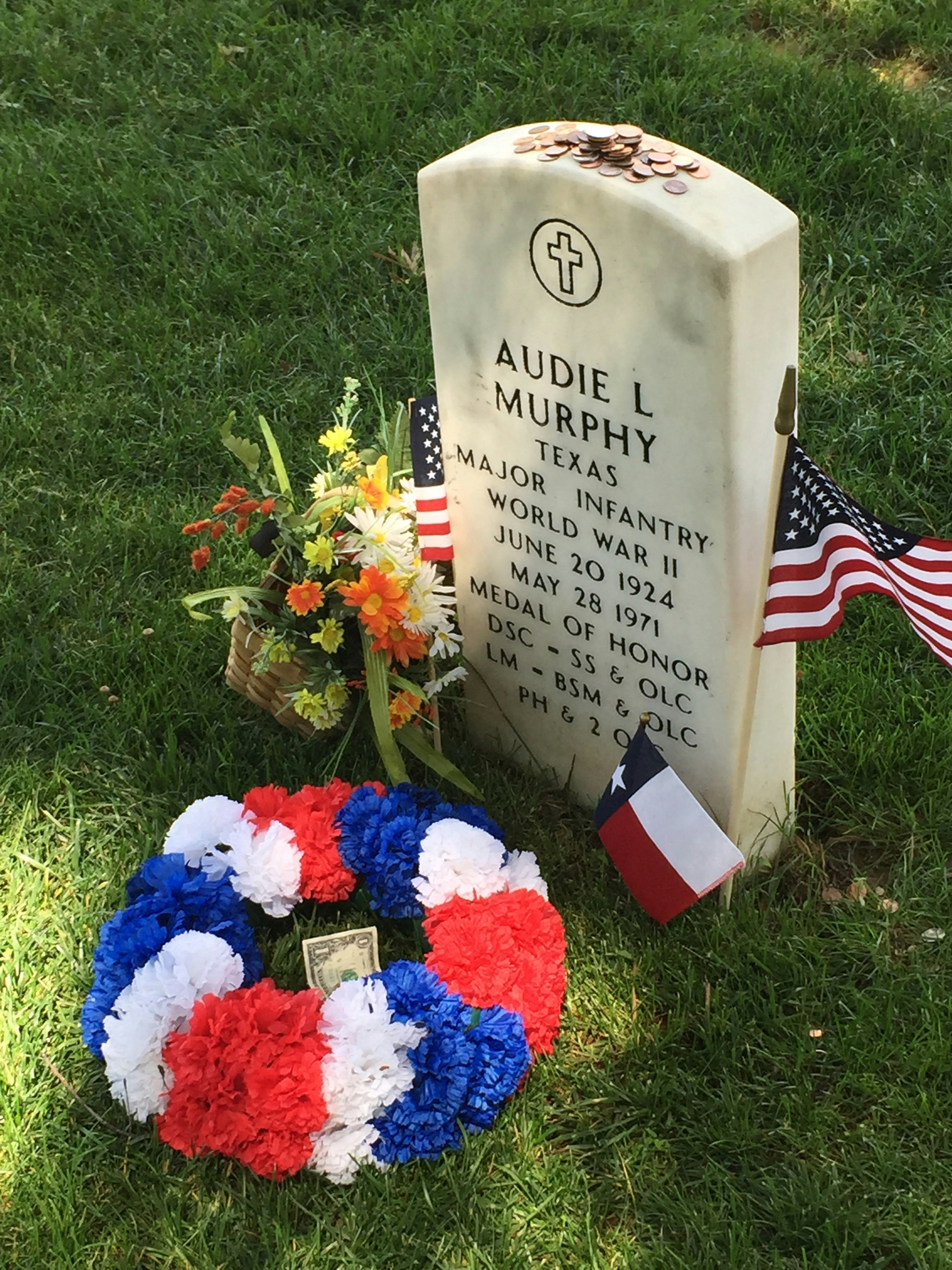
Introduction
Texas has long held a storied tradition of honoring its military service members, recognizing the sacrifices made by veterans and their families. The state is committed to providing a comprehensive range of benefits tailored to support veterans in various aspects of their lives. These benefits not only acknowledge their service but also facilitate their smooth reintegration into civilian life.
for the $3,000 Special Allowance
The array of benefits available to veterans in Texas encompasses several categories, each designed to address unique needs. Educational benefits, for instance, enable veterans to pursue higher education, vocational training, or career advancement opportunities. Programs such as the Hazlewood Act provide tuition exemptions for eligible Texas veterans, reinforcing the state’s commitment to education as a pivotal component of post-service life.

In addition to educational support, employment initiatives aim to enhance job prospects for veterans. Various agencies and organizations work to connect veterans with suitable career opportunities, offering resources such as job training, resume workshops, and employment fairs. This commitment to employment underscores how Texas seeks to empower veterans to establish fulfilling careers after their service.
Financial benefits also play a critical role in supporting veterans and their families. Texas offers numerous financial assistance programs, including property tax exemptions, disability benefits, and low-interest loans. Such financial resources are vital for veterans, as they provide much-needed relief and stability in their post-service endeavors.
Beyond these categories, Texas veterans can access an array of health and wellness programs, housing assistance, and legal services, ensuring they receive comprehensive support. Through this multifaceted approach, Texas exemplifies its dedication to enhancing the quality of life for its veterans, paving the way for successful reintegration and fulfilling lives beyond military service.
Educational Benefits for Veterans in Texas
The state of Texas offers a variety of educational benefits designed to support veterans and their families in their pursuit of higher education. Among these, the Hazlewood Act stands out as a significant program providing substantial assistance to eligible veterans. This act allows veterans who served in the military and who are Texas residents to attend public colleges and universities in Texas without the burden of paying tuition and most fees. To qualify for the Hazlewood Act, veterans must have served a minimum of 181 days of active duty and must not have been dishonorably discharged. Additionally, eligible children and spouses can also benefit from this program, ensuring that families receive educational support.
Another major source of educational support is the G.I. Bill, a federally funded program that encompasses several benefits tailored for veterans. The Post-9/11 G.I. Bill, for example, covers the full cost of in-state tuition and fees at public colleges and universities for veterans who have served at least 90 days of active duty after September 10, 2001. Furthermore, this program provides a monthly housing allowance and a stipend for books and supplies, enhancing the overall educational experience for veterans and their families. To be eligible, veterans must apply through the U.S. Department of Veterans Affairs (VA) and meet specific service requirements.
Additionally, the Texas National Guard Tuition Scholarship Program offers financial assistance for members of the Texas Army and Air National Guard. This program helps cover tuition costs for individuals who are enrolled in eligible colleges or universities within Texas. To qualify, candidates must meet certain service commitments and maintain satisfactory academic progress. Collectively, these educational benefits reflect Texas’s commitment to supporting its veterans in achieving their academic and career aspirations, ultimately promoting their successful transition into civilian life.
Employment Benefits
In Texas, veterans are afforded a variety of employment benefits designed to enhance their opportunities in the workforce. One significant inroad is the Veterans Employment Preference policy. This policy grants veterans priority in state job hiring processes, ensuring that those who have served their country are recognized and given a preference over non-veteran applicants. This preferential treatment can be especially beneficial in a competitive job market, allowing veterans to leverage their military experience while navigating the transition to civilian employment.
The Texas Veterans Commission plays an instrumental role in supporting veterans as they pursue employment. This organization assists in filing employment claims and provides direct support to service members as they seek job placement. The Commission offers a wealth of resources, including workshops, job fairs, and one-on-one consultations aimed at empowering veterans. They focus on helping individuals refine their resumes, prepare for interviews, and understand the nuances of securing a job in the civilian atmosphere.
In addition to the Veterans Employment Preference and the resources provided by the Texas Veterans Commission, Texas also offers the Veteran Readiness and Employment (VR&E) program. This program is designed to assist veterans with service-connected disabilities to achieve independence and meaningful employment. The VR&E program provides various services, including counseling, education, training, and job placement assistance. Through these initiatives, Texas underscores its commitment to supporting veterans as they transition into the civilian workforce, helping them capitalize on their skills and experiences gained during their military service.
Financial Benefits for Veterans in Texas
Veterans in Texas are entitled to numerous financial benefits designed to support their transition to civilian life and ease financial burdens. One of the most notable financial advantages available is the property tax exemption for disabled veterans. This exemption can significantly reduce the financial burden on veterans who have been judged to have a disability related to their military service. The exemption amount is contingent upon the level of disability, providing varying degrees of relief aimed at improving the financial circumstances of these veterans.
In addition to property tax exemptions, Texas veterans can access beneficial loan programs through the Veterans Land Board (VLB). These programs are tailored to assist veterans in purchasing land, homes, and ultimately, establishing a sense of stability and ownership. The VLB offers competitive interest rates and unique financing options, which help make home buying more attainable for veterans. The process is designed to be straightforward, reflecting the state’s commitment to rewarding service and easing financial transactions.
Another significant financial benefit is the VA loan program, which allows veterans to borrow money for purchasing homes without the need for a down payment or private mortgage insurance. This program fosters home ownership and encourages stability among veterans. Moreover, it offers loan terms that are favorable compared to conventional loans, ensuring veterans can invest in their futures without overwhelming financial strain.
State retirement benefits for veterans are also notable in Texas. Qualifying veterans can receive additional monthly benefits through various programs, providing an essential financial supplement for those who have dedicated their lives to military service. These retirement benefits are designed to ensure that veterans have the support they need during their post-service years, further illustrating Texas’s commitment to honoring and uplifting its veterans financially.
Specialized License Plates and Permits
In Texas, veterans benefit from several specialized license plates and permits that are designed to enhance their mobility and access to essential services. A notable benefit is the issuance of disabled veterans license plates, which are available to veterans who possess a disability rating of at least 50 percent as determined by the United States Department of Veterans Affairs. This specialized license plate not only serves as a distinct identifier for veterans but also provides recognition for their service and sacrifice.
Alongside the disabled veterans license plates, veterans are also eligible to obtain parking placards. These placards are particularly crucial for those with mobility challenges, allowing them to access designated parking spaces closer to buildings and facilities. Such measures are vital, as they help to ease the challenges that disabled veterans might face in everyday life—making it simpler to reach medical appointments, employment opportunities, and community engagements.
Moreover, the state of Texas offers a program for free driver’s licenses to eligible veterans, which removes a financial barrier and ensures that they have the means to travel independently. This program streamlines the application process and facilitates access to the necessary documentation for veterans who require it. These specialized permits and licenses reflect the state’s commitment to supporting its veterans, promoting their independence, and improving their quality of life.
Overall, the provision of specialized license plates and permits not only aids veterans in their day-to-day mobility but also reinforces their recognition and honor within society. By ensuring that veterans have access to these benefits, Texas demonstrates its dedication to supporting those who have served the nation, allowing them to navigate daily challenges with increased ease.
Hunting and Fishing License Benefits
Veterans in Texas are afforded the unique opportunity to engage in hunting and fishing through specialized licensing benefits that are designed to acknowledge their service. The Texas Parks and Wildlife Department offers exemptions on fees for hunting and fishing licenses for eligible veterans, making these recreational activities more accessible. This is especially beneficial considering the therapeutic and social advantages associated with outdoor activities.
To qualify for these hunting and fishing license benefits, a veteran must be a resident of Texas and have a valid Texas driver’s license or identification card. Additionally, veterans who have a service-connected disability as recognized by the U.S. Department of Veterans Affairs are entitled to further benefits. Specifically, those veterans with a disability rating of 50% or greater can obtain a hunting or fishing license for no cost, while those with a lower disability rating are eligible for reduced fees. These criteria ensure that the benefits provided are directed towards veterans who may have additional challenges due to their service-related conditions.
The significance of these hunting and fishing license benefits extends beyond mere recreation; engaging in these activities has been shown to enhance veterans’ mental health and overall wellbeing. The outdoors provides a calming environment that can alleviate stress and promote relaxation. Moreover, hunting and fishing are often social activities, allowing veterans to connect with fellow servicemen and servicewomen, fostering a sense of community. Such interaction can be instrumental in reducing feelings of isolation that some veterans may experience after returning from service.
In essence, Texas offers veterans meaningful hunting and fishing license benefits that not only recognize their service but also contribute to their mental and emotional health through engaging recreational opportunities.
Healthcare Benefits
Veterans in Texas can access a wide range of healthcare benefits designed to address their unique medical needs. One of the primary avenues for healthcare is through the U.S. Department of Veterans Affairs (VA), which provides comprehensive health services at numerous VA Medical Centers and outpatient clinics across the state. These facilities offer everything from routine check-ups to specialized treatment, including mental health services, helping ensure that veterans receive the care they deserve.
In addition to in-person services, the VA has developed online health management tools that empower veterans to manage their health care effectively. Through My HealtheVet, veterans can schedule appointments, refill prescriptions, and review personal health records from the comfort of their homes. This innovative approach to healthcare delivery enhances accessibility and allows veterans to take an active role in their wellness journey.
Moreover, veterans may be entitled to VA disability compensation, which offers financial assistance for those who have sustained service-related injuries or illnesses. The amount of compensation is determined based on the severity of the disability, providing vital support that can alleviate the financial burden often associated with medical care. Additionally, VA pensions are available for wartime veterans who meet specific criteria, offering further financial resources to help them access necessary healthcare services.
Overall, the healthcare infrastructure available to veterans in Texas is robust and designed to address a wide array of medical needs. With various benefits and services at their disposal, veterans can ensure their health and well-being are prioritized through dedicated support systems provided by the VA. This multifaceted approach to healthcare not only meets the immediate needs of veterans but also promotes long-term health outcomes for those who have served in the armed forces.
Burial Benefits
Veterans in Texas are entitled to various burial benefits, which are designed to ensure that they are honored and remembered with dignity. The Department of Veterans Affairs (VA) offers a range of services and options for veterans who have served their country, facilitating their final resting place in national cemeteries located throughout the state. One of the primary options includes burial at a VA national cemetery, which is available at no cost to eligible veterans. These cemeteries offer a respectful environment, complete with headstones, markers, and a flag for the gravesite.
In addition to burial within national cemeteries, veterans may also receive burial allowances to offset funeral and transportation costs. This benefit can help alleviate some of the financial burdens often faced by families during these difficult times. Texas veterans might also qualify for reimbursement for certain expenses related to burial in private cemeteries, further showcasing the state’s recognition of their service.
Moreover, the VA provides interment services, which include assistance with coordinating the burial process. Families can rely on the compassionate support offered by VA representatives who guide them in navigating the necessary procedures and paperwork required for burial benefits. Furthermore, veterans with specific conditions, such as those who were discharged under conditions other than dishonorable, may be eligible for additional perks that facilitate their final arrangements.
Ultimately, these burial benefits reflect a commitment to ensuring that Texas veterans receive the respect and dignity they deserve after their service. The state’s various burial options and allowances not only honor the lives of veterans but also provide much-needed support to their families, commemorating their sacrifices for the nation. In Texas, honoring veterans extends beyond their time in service, echoing the enduring appreciation for their contributions through thoughtfully designed burial benefits.
Recreational Opportunities for Veterans in Texas
Texas offers a wide array of recreational opportunities specifically designed for veterans, enhancing both relaxation and quality of life for those who have served the country. One of the most notable benefits available is access to the abundant state parks, which provide veterans with breathtaking natural landscapes, hiking trails, fishing spots, and camping facilities. These parks often host veterans’ events, offering community engagement and a chance to connect with fellow service members. The state’s commitment to preserving natural habitats ensures that veterans can experience the serenity and beauty of the outdoors.
In addition to state parks, various organizations and programs cater specifically to veterans’ recreational needs. These programs are designed to encourage physical activity and social interaction, both of which are essential for mental well-being. Examples include adapted sports leagues, fishing excursions, and hunting outings, which not only provide enjoyment but also foster a sense of camaraderie among participants. Engaging in these activities can have significant therapeutic benefits, helping veterans cope with the challenges they may face after their service.
Moreover, many local communities in Texas have developed veteran-specific recreational initiatives. They often emphasize inclusivity, ensuring all veterans, regardless of physical ability, can participate. From yoga classes tailored for veterans to adaptive sports, these opportunities aim to improve the overall quality of life by encouraging fitness, boosting morale, and offering opportunities for friendship and support.
These various recreational opportunities play a crucial role in the transition process for veterans. Not only do they provide a chance for relaxation, but they also create a supportive network that encourages veterans to engage more fully with their communities. Through outdoor activities and dedicated programs, Texas demonstrates its commitment to honoring its veterans and enhancing their lives through access to wholesome and enriching experiences.
Conclusion and Resources
In summary, veterans residing in Texas are entitled to a plethora of benefits designed to honor their service and enhance their quality of life. The range of assistance available includes healthcare programs, educational benefits, financial assistance, housing support, and employment resources. Each of these benefits plays a crucial role in ensuring that veterans can successfully transition back into civilian life and receive the necessary support they deserve. Acknowledging these resources is essential for veterans to maximize the advantages available to them.
For veterans seeking assistance or further information regarding their available benefits, numerous resources are at their disposal. The Texas Veterans Commission is a primary point of contact, providing veterans with information on various programs, claims assistance, and advocacy services. They offer a comprehensive guide on how to access the benefits tailored to their specific needs and circumstances. Furthermore, the Texas Veterans Commission’s website includes a multitude of resources, such as links to healthcare facilities, educational institutions, and employment programs designed specifically for veterans.
In addition to the Texas Veterans Commission, organizations like the American Legion and the Disabled American Veterans (DAV) also provide support and assistance to veterans. These organizations can help veterans navigate the complexities of their benefits and offer peer support through various community programs. Local veteran service organizations (VSOs) can also be invaluable in connecting veterans with the appropriate resources needed for a successful transition, further ensuring that veterans are not alone in their journey.
Accessing these benefits is paramount for veterans in Texas, and organizations are dedicated to helping them understand and utilize these available resources effectively. Taking advantage of these options can lead to a fulfilling and stable life after serving in the military, promoting personal growth and community engagement.