

Introduction to SMC VA Disability Benefits
Special Monthly Compensation (SMC) benefits are designed to provide additional financial support to veterans who have service-connected disabilities that impact their daily life significantly more than what is covered by standard disability ratings. Unlike the regular disability compensation, which is primarily based on the severity of a veteran’s condition, SMC recognizes those who require special assistance or face unique challenges due to their military service. The purpose of SMC benefits is to enhance the quality of life for disabled veterans, acknowledging the extra needs arising from specific disabilities.
SMC benefits are categorized into several types, reflecting the different levels of assistance veterans may require. For instance, veterans who are housebound due to disability or who require aid and attendance can qualify for increased compensation rates. Each category addresses varying circumstances of service-related impairments, ensuring that veterans receive benefits commensurate with their individual needs. This structured approach allows for a comprehensive assessment of a veteran’s situation, ultimately guiding the allocation of benefits. Furthermore, with the implementation of the “100 Plus 60” rule, changes in criteria and rates effective in 2026 are expected to influence eligibility and the amount of compensation available.

Understanding these SMC benefits is crucial, especially for veterans whose conditions may qualify them for such assistance. The adjustments scheduled for 2026 will enhance the existing framework, providing clarity and improving access to these vital benefits. By familiarizing themselves with SMC, veterans can better navigate the intricacies of the VA disability system, ensuring they receive all entitled resources necessary for their well-being and care.
The “100 Plus 60” Rule Explained

The “100 Plus 60” rule is a critical guideline for veterans seeking to secure higher levels of Special Monthly Compensation (SMC). This rule stipulates that a veteran must have a total disability rating of 100% combined with one or more additional disabilities rated at a minimum of 60% to qualify for enhanced compensation rates. Understanding this rule is essential for veterans who may feel they are not receiving the benefits they rightfully deserve.
To break it down further, a veteran must first ensure their primary disability is rated at 100%. This alone qualifies them for certain benefits; however, the implications of having additional disabilities rated at 60% or more can significantly change their compensation package. For instance, if a veteran is rated at 100% for one condition, but struggles with other conditions that have been rated at 60%, the SMC allows for increased financial support.
For example, let’s consider a hypothetical veteran who has a service-connected disability of PTSD rated at 100% and also suffers from degenerative arthritis rated at 60%. This veteran qualifies to receive higher monthly payments under the SMC provisions, which can make a substantial difference in their quality of life. The additional compensation acknowledges the challenges veterans face in managing multiple service-related health issues.
It is important to understand that the disability ratings must be official and validated through the Veterans Affairs (VA) processes. Veterans need to ensure that all claims and ratings are accurately documented to take full advantage of their entitlements under the “100 Plus 60” rule. In doing so, veterans can receive the necessary support to improve their living conditions, effectively addressing their ongoing needs related to service-connected disabilities.
Applying for Housebound Pay and Aid and Attendance
Veterans May Qualify for Extra Benefits
Check available financial assistance, healthcare programs and other opportunities that may apply to you.
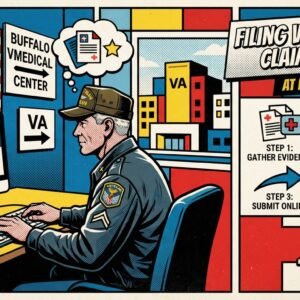
Check EligibilityVeterans seeking an increase in their disability benefits may consider applying for housebound pay or aid and attendance benefits. The application process involves using VA Form 21-2680, which is a crucial step in establishing your eligibility for these additional compensation benefits. Understanding the requirements is essential for a successful application.
When applying for housebound pay, one must demonstrate a permanent and total disability that limits mobility, necessitating assistance with daily activities. Similarly, the aid and attendance benefit requires proof of both physical and mental restrictions, which impair the ability to live independently. To substantiate your claim, it’s advantageous to gather comprehensive medical documentation detailing your condition. This may include recent treatment records, evaluations from physicians, and any other relevant health information.
In terms of eligibility criteria, the VA evaluates a veteran’s needs based on specific factors, such as the inability to perform activities of daily living or a significant restriction in mobility. Providing detailed information about your everyday struggles can strengthen your case. Additionally, it is important to note that many claims are denied due to improper documentation or failure to meet the outlined criteria, so avoiding common pitfalls is essential.
To ensure successful processing of your application, it is advisable to review the completed VA Form 21-2680 thoroughly and submit it along with all required supporting documents. Following up with the VA after submission can also help in tracking the progress of your claim. Ultimately, understanding the application process and meeting the detailed eligibility requirements enhances the likelihood of receiving housebound pay or aid and attendance benefits.
Conclusion and Future Considerations for Veterans
Understanding Special Monthly Compensation (SMC) benefits is crucial for veterans seeking to maximize their support from the VA. The “100 Plus 60” rule plays a significant role in determining eligibility for housebound pay, providing financial assistance to those with increased needs due to their service-connected disabilities. As veterans navigate the intricacies of SMC, it is essential to grasp the application process thoroughly and ensure all pertinent documentation is submitted accurately. This helps in expediting the approval process and obtaining the necessary benefits without unnecessary delays.
Equally important is the advocacy for veterans’ rights and benefits, as the landscape of VA support is subject to change. Staying informed about legislative developments is vital for veterans and their families, as future alterations to the SMC system could directly influence benefit availability. Engaging in veteran advocacy groups, attending informational sessions, and maintaining open lines of communication with VA representatives can empower veterans to remain proactive regarding their entitlements.
Incorporating a thorough understanding of SMC benefits and the “100 Plus 60” rule into daily life helps set realistic expectations regarding financial support. Veterans should not hesitate to seek assistance from knowledgeable professionals, ensuring they fully utilize available resources. By being informed, veterans can take charge of their financial futures and combat possible challenges arising from the complexities of VA benefits.
Ultimately, the journey towards securing SMC benefits is ongoing. Therefore, veterans, along with their families, are encouraged to foster an environment of awareness and continual learning. By doing so, they can navigate the VA benefits system more effectively and advocate for essential changes that could enhance their economic well-being in the future.
🇺🇸 IMPORTANT DISCLAIMER – Veterans Benefits Information
This site provides general information about U.S. Department of Veterans Affairs (VA) benefits for educational and informational purposes only.
- Not Official: We are NOT affiliated with, endorsed by, or connected to the U.S. Department of Veterans Affairs (VA), the Veterans Benefits Administration (VBA), the Veterans Health Administration (VHA), or any other government agency.
- No Legal/Financial Advice: The content on this website is for informational purposes only and does not constitute legal, financial, or medical advice. VA benefits rules change frequently – always consult with an accredited Veterans Service Officer (VSO) or a qualified professional for your specific situation.
- Official Sources: For official, binding information and to apply for benefits, always visit official .gov websites: VA.gov, Benefits.VA.gov, or SSA.gov.
- No Data Collection: This site does not collect, store, or process any personal information. It does not have login forms, contact forms, or any system to capture user data. We never ask for your Social Security Number, bank details, or any personal information.
- 🚨 Scam Alert: The VA and other government agencies never charge fees for benefit applications. If anyone asks for money to "process" your VA claim, it is a scam. Report it to the VA Office of Inspector General at VA.gov/OIG.
- Advertising: This site uses third-party advertising (Adsterra) to cover operational costs. We do not endorse or guarantee any products or services advertised.
📌 Information provided as of June 2026. Always verify current eligibility and rules with official .gov sources.
This site is not affiliated with the U.S. Department of Veterans Affairs or any government agency. All information is for educational purposes only. Please visit VA.gov for official information.
