

What is CHAMPVA?
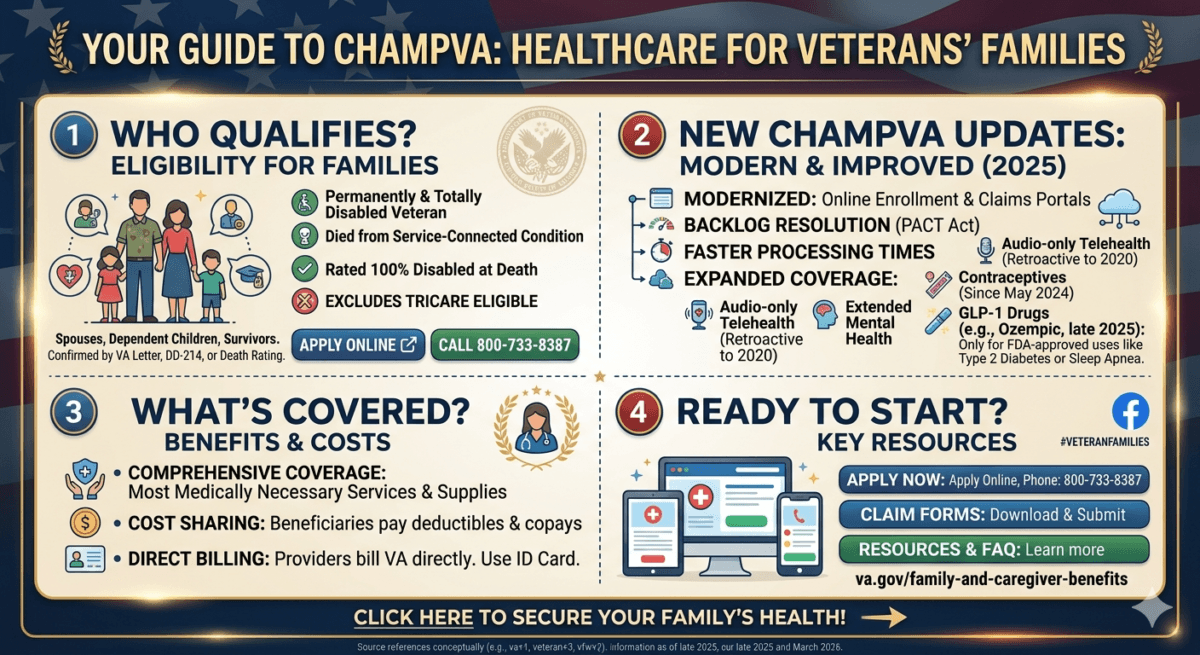
CHAMPVA, or the Civilian Health and Medical Program of the Department of Veterans Affairs, is a comprehensive healthcare program that provides medical coverage to eligible dependents of veterans who are permanently and totally disabled due to service-connected conditions or who died as a result of such conditions. Established in 1978, CHAMPVA serves as a vital resource for the families of veterans, ensuring access to necessary healthcare services amid the challenges they may face due to their loved ones’ disabilities or the loss of their lives during military service.
for the $3,000 Special Allowance
The primary purpose of CHAMPVA is to offer a health insurance benefit to particular family members of veterans. This includes spouses and children who meet specific eligibility criteria. The program helps cover a range of health-related expenses encompassing outpatient and inpatient care, preventive services, prescription medications, and mental health services. By ensuring that eligible dependents receive adequate medical care, CHAMPVA plays a crucial role in the broader context of veteran benefits by extending support to those who have stood by the veterans, ensuring their health and well-being.

CHAMPVA originated from the need to address the healthcare discrepancies faced by family members of veterans, acknowledging the sacrifices made by these individuals and striving to provide them with necessary health services. The program’s importance cannot be understated, as it empowers families by alleviating some of the financial burdens linked to healthcare costs. In essence, CHAMPVA promotes a holistic approach towards supporting the health of veterans’ families, emphasizing their crucial role in the veteran support system.
Who is Eligible for CHAMPVA?

The Civilian Health and Medical Program of the Department of Veterans Affairs (CHAMPVA) is designed to provide health coverage to certain individuals who are dependent on veterans. To determine eligibility for this critical program, several factors must be considered, including the relationship to the veteran and specific circumstances surrounding the veteran’s military service.
Eligible beneficiaries include the spouses and children of veterans who are permanently and totally disabled due to a service-related condition. Additionally, the surviving spouses and children of veterans who have died as a result of a service-related disability or who were veterans with a permanent and total disability at the time of their death can also qualify for CHAMPVA benefits. This special provision ensures that families of veterans receive vital health care support, acknowledging the challenges they face due to their loved one’s service to the nation.
Furthermore, to gain access to CHAMPVA, applicants must not be eligible for Tricare, which is another healthcare program provided for military personnel and their families. This distinguishes CHAMPVA from other programs, as it targets individuals who require support outside the Tricare framework. Importantly, there are also certain income-based limits and enrollment processes in place, which applicants must navigate. However, the essential requirement remains a direct relationship to a qualifying veteran, making the link between the applicant’s circumstances and the veteran’s service integral to the eligibility process.
CHAMPVA Benefits and Coverage
The Civilian Health and Medical Program of the Department of Veterans Affairs, commonly referred to as CHAMPVA, offers a wide range of benefits designed to support eligible dependents of veterans. CHAMPVA is distinct from other health care programs as it provides comprehensive coverage, catering specifically to family members of those who are permanently disabled due to service-related conditions or who passed away while on active duty.
Under CHAMPVA, beneficiaries have access to various healthcare services that include preventive care, outpatient services, hospitalization, and mental health services. Preventive care plays a significant role, encompassing routine physical examinations, vaccinations, and screenings, which are essential in maintaining overall health. Outpatient services, on the other hand, cover routine visits to healthcare providers that do not necessitate overnight stays in a hospital.
Hospitalization under CHAMPVA ensures that eligible dependents receive necessary medical attention during critical health situations. The program covers costs associated with both inpatient and outpatient treatments, thus providing a safety net for healthcare needs. Additionally, mental health services are included, addressing the psychological well-being of beneficiaries, which is a crucial aspect of overall health.
It is important to note, however, that while CHAMPVA offers extensive benefits, there are certain limitations and exceptions to coverage. For instance, services rendered outside of the United States might not be reimbursed, and certain types of care, such as cosmetic surgeries, typically fall outside the realm of coverage. Understanding these exclusions is vital for navigating the healthcare system effectively. Beneficiaries are encouraged to familiarize themselves with the CHAMPVA handbook and consult with their healthcare provider to maximize their benefits.
Applying for CHAMPVA: The Process and Considerations
The application process for the Civilian Health and Medical Program of the Department of Veterans Affairs (CHAMPVA) is structured and requires careful attention to detail. To begin, eligible applicants must fill out VA Form 10-10d, which can be found on the VA’s official website or requested from a local VA office. This form serves as a preliminary application, collecting vital information about the applicant’s status and health needs.
When completing the application, it is essential to gather necessary documentation to support the application. Required documents typically include proof of eligibility, such as a DD-214 for veterans, information about the service-connected disability rating, and any documents illustrating financial needs. Additionally, identification documents may be required to verify the identity of the applicant and any dependents seeking coverage under CHAMPVA.
After submitting the application, it usually takes a few weeks for the VA to process the request. Should the application be denied, the applicant receives a notice that will include reasons for the denial. It is crucial to read this notice carefully, as it provides guidance on how to appeal the decision. The appeal process involves submitting a written request for reconsideration, providing any new information or clarification regarding the application concerns.
Throughout this journey, various resources are available to assist applicants in understanding their rights and responsibilities under CHAMPVA. Assistance can be sought from local veterans’ organizations, community service agencies, or directly from VA representatives who can help navigate the complexities of the application process. Engaging in these resources not only provides additional information but can also improve the chances of a successful application.