

What is VA Form 21-10210?
VA Form 21-10210, commonly referred to as the lay/witness statement, serves a critical function in the benefits application process for veterans. This specific form allows veterans to gather testimonies from individuals who can provide relevant details regarding their disabilities and how these disabilities may impact their daily lives. Personal narratives documented in this form can significantly enhance the credibility of a veteran’s disability claim, making it essential for those seeking support from the Department of Veterans Affairs (VA).
The significance of VA Form 21-10210 extends beyond mere documentation; it creates a formal avenue for witnesses, including family members, friends, or colleagues, to share their observations. These statements can reflect the veteran’s work capability, social interactions, and overall quality of life, aiding the VA in understanding the implications of the veteran’s condition. This holistic perspective is often invaluable in the review process, establishing a clearer picture of the challenges faced by the individual filing the claim.

Furthermore, there are no strict requirements regarding who can fill out this form. Anyone who has personal knowledge of the veteran’s condition or circumstances is eligible to provide input through the VA Form 21-10210. This flexibility is advantageous, as it allows for a broad range of perspectives to be captured, which may be beneficial, particularly if medical records alone do not provide full context of the veteran’s situation. In instances where medical evidence is insufficient, testimonies collected through this form may supply essential support that can influence the outcome of disability claims.
Who Can Provide a Lay/Witness Statement?

When it comes to supporting a VA claim, the provision of lay or witness statements can be crucial in establishing the evidence needed for a successful outcome. Various individuals are eligible to provide such statements, each offering unique insights that can strengthen the credibility of the claims process.
Firstly, veterans themselves play a vital role as affiants of their own experiences. Their firsthand accounts of their service, including the events that led to their current medical conditions, are invaluable. These testimonies can provide a personal narrative that complements medical records and other documentation, presenting a comprehensive view of the veteran’s circumstances.
Family members are another essential group that can provide lay statements. They often have witnessed the veteran’s condition and behavior changes over time. Their observations can help illustrate the broader impact of a service-related disability on the veteran’s daily life, relationships, and emotional well-being. Family testimonies can bridge gaps where medical evidence may lack specific details about the veteran’s experience.
Friends can also serve as credible witnesses. They may share insights on the veteran’s lifestyle, social interactions, and challenges faced post-service. Their support can further substantiate the veteran’s claims, particularly relating to social and emotional struggles. Fellow service members possess a unique perspective, having shared similar experiences during their time in the military. Their testimonies can validate the events that took place and offer a supportive narrative regarding the veteran’s claims and how their service has impacted them.
Veterans May Qualify for Extra Benefits
Check available financial assistance, healthcare programs and other opportunities that may apply to you.
Check EligibilityIn conclusion, a diverse array of individuals—including veterans, family members, friends, and fellow service members—are eligible to provide lay or witness statements. The collective experiences and observations offered by these individuals significantly enhance the claims process, underscoring the importance of firsthand accounts in establishing effective evidence for the VA claims. Their contributions can help ensure that deserving veterans receive the benefits to which they are entitled.
How to Complete VA Form 21-10210
Completing VA Form 21-10210, also known as the Lay/Witness Statement, is a critical process for individuals seeking to provide supportive evidence in claims for veterans benefits. To ensure the form is filled out correctly, follow this step-by-step guide, which covers essential information, effective writing tips, and common pitfalls to avoid.
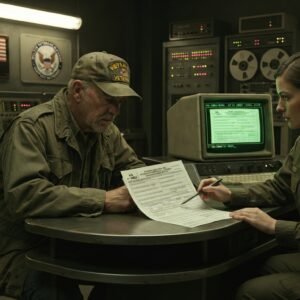
First, begin by downloading the form from the official VA website or obtaining a physical copy through a Veterans Affairs office. Ensure that you have the latest version of the form, as older versions may not be accepted. The form consists of various sections requiring the claimant to detail their account or provide witness statements relevant to the claim submitted.
In the initial section, provide accurate personal information such as your full name, address, and social security number. This information is essential for the VA to process your statement effectively. Next, clearly explain the circumstances related to your claim. Use concise language and maintain a chronological order when presenting events, as this enhances clarity and aids the reviewer’s understanding.
When composing your statement, be specific and provide as much detail as possible. Use facts to support your claims, and avoid vague descriptions. It may be helpful to jot down bullet points prior to drafting your statement to keep your thoughts organized. Furthermore, it’s advisable to have a witness who can corroborate the information provided, which can lend additional credibility to your statement.
Avoid common mistakes like failing to sign the form or not providing complete details. Ensure that every section is appropriately filled, as incomplete submissions can delay the review process. Regarding submission methods, the completed VA Form 21-10210 can often be submitted online through the VA’s eBenefits platform or mailed directly to your regional VA office. Always keep copies of your completed forms and any correspondence for your records.
By adhering to these guidelines, you can create a compelling and thorough Lay/Witness Statement that fulfills the requirements of VA Form 21-10210, thus aiding in the successful processing of your veterans’ benefits claim.
Impact of Lay/Witness Statements on Disability Claims
Lay and witness statements serve an essential function in the disability claims process managed by the Department of Veterans Affairs (VA). These statements allow individuals who are not medical professionals, often friends, family members, or colleagues of the veteran, to offer personal observations regarding the veteran’s health condition and daily challenges. Their contributions can provide a broader context that medical records alone may not capture, illuminating how a veteran’s condition affects their life.
The types of information that are likely to be most persuasive in these statements typically include specific examples of how the veteran’s disability impacts daily activities, relationships, and overall quality of life. Such details can strengthen a claim by illustrating the direct consequences of the service-related condition, helping VA evaluators to visualize the challenges faced by the veteran on a day-to-day basis. For instance, descriptions of difficulties with mobility, mental health struggles, or the inability to maintain employment resonate strongly, showcasing the need for appropriate benefits.
When lay or witness statements are submitted with a claim, they can impact the evaluation outcome significantly. If articulated compellingly, these narratives can lead to a favorable decision, offering the veteran increased benefits or enabling service connection for specific conditions. Conversely, vague or unsubstantiated claims may not have the desired effect, thus underscoring the importance of thoughtful, detailed testimony.
The overall effect of lay/witness statements cannot be overstated. They act as a critical supplement to a veteran’s file, potentially turning the tide in closely contested claims. It is crucial for veterans to consider the contribution of these personal narratives and collaborate with individuals who can substantively articulate their experiences and challenges. By doing so, they enhance the credibility of their claims and ultimately contribute to a more equitable assessment of their needs by the VA.
🇺🇸 IMPORTANT DISCLAIMER – Veterans Benefits Information
This site provides general information about U.S. Department of Veterans Affairs (VA) benefits for educational and informational purposes only.
- Not Official: We are NOT affiliated with, endorsed by, or connected to the U.S. Department of Veterans Affairs (VA), the Veterans Benefits Administration (VBA), the Veterans Health Administration (VHA), or any other government agency.
- No Legal/Financial Advice: The content on this website is for informational purposes only and does not constitute legal, financial, or medical advice. VA benefits rules change frequently – always consult with an accredited Veterans Service Officer (VSO) or a qualified professional for your specific situation.
- Official Sources: For official, binding information and to apply for benefits, always visit official .gov websites: VA.gov, Benefits.VA.gov, or SSA.gov.
- No Data Collection: This site does not collect, store, or process any personal information. It does not have login forms, contact forms, or any system to capture user data. We never ask for your Social Security Number, bank details, or any personal information.
- 🚨 Scam Alert: The VA and other government agencies never charge fees for benefit applications. If anyone asks for money to "process" your VA claim, it is a scam. Report it to the VA Office of Inspector General at VA.gov/OIG.
- Advertising: This site uses third-party advertising (Adsterra) to cover operational costs. We do not endorse or guarantee any products or services advertised.
📌 Information provided as of June 2026. Always verify current eligibility and rules with official .gov sources.
This site is not affiliated with the U.S. Department of Veterans Affairs or any government agency. All information is for educational purposes only. Please visit VA.gov for official information.
