

Introduction to Veteran Support Post-Detention
The transition from detention to civilian life can be particularly challenging for veterans, who often face a unique set of issues related to their service and the circumstances surrounding their detention. Understanding the support available to them is crucial in facilitating a smoother reintegration into society. Veterans may experience a range of physical and psychological challenges that stem from their military service and the period spent in detention. Addressing these issues requires a comprehensive understanding of the medical and psychological care that is available to them.
For many veterans, the trauma associated with both military experiences and the subsequent detention can lead to significant psychological distress. This makes it imperative for service members like Robert Gilman to be aware of the various resources that offer medical and psychological support. Having access to proper healthcare is essential, as it not only addresses physical injuries but also provides necessary psychological interventions that may be required for mental health issues, such as PTSD or depression.

In addition to medical and psychological care, veterans should also be educated about the benefits that may be accessible following their release from detention. These benefits can include healthcare coverage, counseling services, and support groups tailored specifically for those who have faced similar experiences. Connecting with veteran organizations and federal resources can provide veterans with the tools necessary to navigate their options effectively. As they begin to seek help, it is important for veterans to remember that they are not alone, and there is a supportive network designed to assist them during their transition, ultimately promoting their well-being and integration into civilian life.
Overview of Medical Care for Released Veterans

Upon release from detention, veterans face numerous challenges as they reintegrate into civilian life, and access to medical care is among the most critical. Understanding the medical care options available to them is crucial for promoting their recovery and overall well-being. Veterans can benefit from a range of services designed to address their unique health needs.
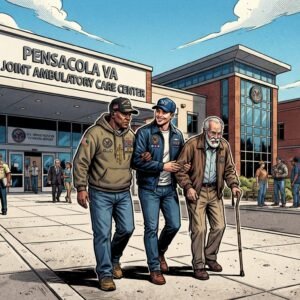
One of the primary resources available to veterans is the Department of Veterans Affairs (VA). The VA operates a comprehensive system that encompasses various medical facilities, including military hospitals and outpatient clinics. These institutions offer a wide array of treatments ranging from primary care to specialized services such as mental health support, rehabilitation, and substance abuse treatment. Veterans can schedule appointments at their nearest VA facility to discuss their medical concerns and develop tailored treatment plans.
In addition to the VA, several community-based organizations provide support and resources for veterans managing their health post-release. These organizations may offer counseling services, transitional assistance, and health-related programs focused on physical and mental recovery. It is vital for veterans to explore the full spectrum of care options available to them, as many find that assistance extends beyond traditional medical services.
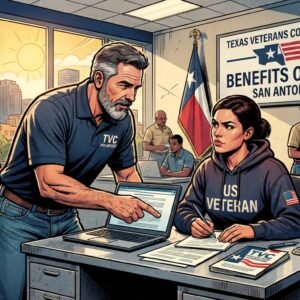
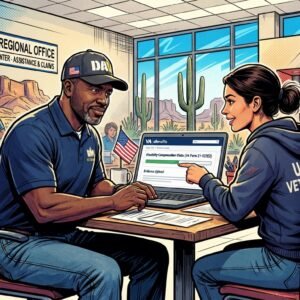
Furthermore, veterans should familiarize themselves with the eligibility requirements for VA healthcare benefits, which may vary based on factors such as length of service and discharge status. Completing the necessary applications promptly can ensure access to critical health resources. It is advisable for veterans to consult with a VA representative who can guide them through the process and help them understand their entitlements.
Veterans May Qualify for Extra Benefits
Check available financial assistance, healthcare programs and other opportunities that may apply to you.
Check EligibilityAccessing quality medical care and understanding the available options can significantly impact the health outcomes of veterans after release from detention. By leveraging the resources provided by the VA and community organizations, veterans can facilitate a smoother transition and work towards achieving lasting recovery.
Psychological Assessments and Mental Health Support
The psychological implications of wrongful detention can be profound, especially for veterans who may already be experiencing mental health challenges. After release from detention, individuals like Gilman often require comprehensive psychological assessments to gauge their mental health status effectively. These assessments are critical as they identify any underlying conditions such as post-traumatic stress disorder (PTSD), anxiety, or depression, which can be exacerbated by the trauma of wrongful detention.
Veterans typically undergo evaluations conducted by licensed mental health professionals. These evaluations may include clinical interviews, standardized questionnaires, and other diagnostic tools. The goal is to obtain a holistic understanding of the individual’s mental health and to develop tailored treatment plans that address their specific needs. Early intervention plays a crucial role in the recovery process, as timely support can mitigate long-term psychological effects.
After assessment, a range of mental health support systems is available to aid in recovery. Therapy options include individual counseling, group therapy, and family therapy. Each of these modalities offers unique benefits; for example, group therapy can provide a shared understanding and a sense of community among veterans, making it a valuable resource for those who may feel isolated.
Support groups specifically designed for veterans can also play a pivotal role in the healing process. These groups allow veterans to connect with others who share similar experiences, fostering camaraderie and encouraging open discussions about mental health challenges. Additionally, they often provide essential resources and referrals to other mental health services.
It is crucial for veterans seeking support to understand that they are not alone; numerous organizations and resources exist to assist them in navigating their mental health needs. Increasing awareness and accessibility to these services can ultimately aid veterans in achieving better psychological well-being as they reintegrate into society.
Understanding Veterans Affairs Benefits
The Department of Veterans Affairs (VA) offers numerous benefits that can significantly aid former detainees in their transition to civilian life. Understanding these benefits is essential for accessing the necessary resources that promote both physical and mental well-being. Various programs are specifically designed to address the unique challenges faced by veterans, particularly those who have been incarcerated.
One of the primary benefits available through the VA is healthcare. The Veterans Health Administration (VHA) provides a robust medical care system that caters to a wide range of needs. This includes primary care, specialized medical treatment, and mental health services. Veterans can receive care for chronic conditions, substance abuse issues, and post-traumatic stress disorder (PTSD), among others. Enrolling in VHA services is a critical step for former detainees looking to reintegrate into society successfully.
Additionally, the VA has numerous mental health programs aimed at addressing the psychological needs of veterans. These services include counseling, therapy, and support groups tailored for those who may struggle with the effects of trauma and incarceration. The VA’s commitment to mental health care is particularly important, as many veterans face difficulties related to their experiences during service and imprisonment.
Through the VA, veterans may also access various vocational rehabilitation and employment programs, which can help them obtain job training and placement assistance. This is crucial for promoting self-sufficiency and financial independence post-release. Understanding and utilizing these resources can significantly improve the quality of life for former detainees as they navigate the complexities of reintegration.
In conclusion, the benefits provided by the Department of Veterans Affairs are vital for former detainees. By taking advantage of healthcare services, mental health programs, and vocational support, veterans can facilitate a smoother transition back into civilian life and enhance their overall well-being.
Legal Support and Resources for Veterans
Veterans who have faced wrongful detention may find themselves in need of legal support to navigate the complex landscape of their rights and potential remedies. It is crucial to understand the various resources and avenues available for obtaining this assistance. One of the first steps veterans can take is to contact organizations specifically dedicated to veteran issues, such as the American Legion and Veterans of Foreign Wars (VFW), which often provide access to legal resources and support.
Additionally, many states have legal aid programs that focus on serving veterans. These programs can offer pro bono legal assistance or reduced-fee services in matters involving wrongful detention and related rights violations. The U.S. Department of Veterans Affairs (VA) also offers resources that may help connect veterans with legal representatives who specialize in veterans’ rights and advocacy.
Understanding your rights is a vital aspect of seeking legal support. Veterans are entitled to legal representation and advocacy, particularly if they were subjected to unlawful detainment practices. Restoring rights that may have been compromised during detainment is a significant focus for legal representatives, as they can provide guidance on the necessary steps to regain full entitlements.
In addition to individual legal assistance, there are numerous advocacy groups that work to bring attention to wrongful detentions involving veterans. These organizations can help create awareness and push for accountability within the legal system. Moreover, participating in support forums may provide valuable information on how other veterans have successfully navigated similar situations, thus fostering a sense of community and shared experience.
In conclusion, veterans in need of legal support after wrongful detention should actively pursue resources available to them. Whether through advocacy groups, legal aid programs, or veteran organizations, the support needed to address legal rights and seek accountability is accessible. Utilizing these resources can significantly empower veterans in their journey to reclaim their rights and benefits.
Pathways for Social Reintegration
Social reintegration is a crucial aspect for veterans who have been released from detention. Successfully reintegrating into society addresses both personal recovery and broader community involvement. Various strategies can significantly enhance the transition process and promote a stable lifestyle post-detention.
One of the primary resources available to veterans is social services. These services aim to assist individuals in navigating the complexities of life after detention, offering support ranging from mental health counseling to housing assistance. Many veterans may find themselves needing to address psychological challenges, including PTSD, which can be effectively managed through connections with local mental health professionals and support groups tailored to their experiences.
Community support networks play an invaluable role in fostering a sense of belonging and connection. Organizations dedicated to veterans often create platforms for social engagement, enabling individuals to build relationships with peers who share similar experiences. Engaging with these networks can provide veterans with mentorship opportunities and tools for effective re-adaptation, aiding in a more seamless transition back into civilian life.
Employment opportunities are another significant component of social reintegration. Finding stable employment is essential for financial independence and self-esteem. Numerous organizations specialize in helping veterans obtain relevant training, certifications, and job placement services. By equipping veterans with necessary skills, these programs help facilitate their integration into various sectors of the job market.
Moreover, various community initiatives focus on fostering local businesses that actively seek to hire veterans. By supporting such efforts, communities not only provide job opportunities but also demonstrate their commitment to reintegration. Ultimately, the combined effect of these community resources, social services, and employment opportunities works toward empowering veterans, assisting them in building a new chapter in their lives after release from detention.
Advocacy Groups and Outreach Programs
After release from detention, many veterans face significant challenges, including accessing medical care and benefits. Various advocacy groups and outreach programs play a crucial role in supporting these individuals by providing essential services and resources. These organizations are dedicated to aiding former detainees in navigating the complex landscape of healthcare and benefits that they are entitled to as veterans.
One of the primary functions of these advocacy groups is to raise awareness about the unique needs of veterans post-detention. They work tirelessly to educate the public, policymakers, and healthcare providers about the obstacles faced by former detainees, including issues related to mental health, substance abuse, and reintegration into society. By highlighting these challenges, advocacy organizations strive to create a more informed and supportive environment for veterans, which is vital for their successful transition.
In addition to awareness campaigns, many groups offer direct assistance by providing legal aid, counseling services, and referrals to appropriate healthcare providers. These programs often include outreach initiatives aimed at connecting veterans with resources such as healthcare enrollment services, mental health support, and substance abuse treatment. By facilitating access to these services, advocacy groups can help ensure that veterans receive the comprehensive care they need.
Moreover, these organizations advocate for policy changes at the local, state, and national levels, seeking to improve the conditions and benefits available to former detainees. This includes lobbying for enhanced healthcare access, increased funding for veteran services, and the implementation of policies that address the systemic barriers that veterans face. Through their efforts, advocacy groups not only support individual veterans but also work towards creating a more equitable system that acknowledges and addresses the challenges associated with detention and its aftermath.
Ultimately, the role of advocacy groups and outreach programs is indispensable in empowering veterans to reclaim their health, access necessary benefits, and successfully reintegrate into society after detention.
Personal Stories: The Journey of Resilience
The transition from military to civilian life presents a series of challenges for veterans, many of which can impact their emotional and psychological well-being. By sharing personal experiences, we can better understand the resilience required to navigate this journey. One veteran recalls his struggle with access to medical care after leaving detention, grappling with the isolation and uncertainty that often follows such an experience.
Another veteran reflects on the importance of community support, noting how relationships with fellow veterans assisted in his healing process. He emphasizes that the camaraderie shared in the military often dissipates, and it is crucial to forge new connections in civilian life. These personal narratives highlight the common thread of seeking belonging and understanding as veterans reintegrate into society.
Moreover, a female veteran details her psychological battles as she transitioned. She articulates the profound sense of disconnect from a system that she felt should support her after years of service. Her story is one of persistence, demonstrating how small victories in accessing mental health resources can contribute to overcoming larger obstacles, including feelings of inadequacy.
Some veterans have turned their struggles into advocacy, working tirelessly to raise awareness about the hurdles faced by their peers. Their stories of resilience are not just about personal triumphs but also about fostering change within the healthcare system. By sharing their experiences, they create a sense of community and encourage others to reach out for help.
Ultimately, these narratives of veterans overcoming challenges highlight the emotional journey they undergo. It is a testament to the resilience and strength that many possess, even in the face of adversity. These stories not only educate others about veterans’ experiences but also serve to inspire and uplift those who might be facing similar challenges in their journeys.
Conclusion: Moving Forward After Detention
As we conclude this exploration of navigating medical care and benefits after release from detention, it is vital to highlight the key discussions throughout the blog post. The path toward recovery and reintegration into society can be complex and fraught with challenges, particularly for veterans who have faced the hardships of detention. Yet, understanding available resources and support systems is crucial for enabling smooth transitions and fostering resilience.
Throughout the blog, we emphasized the importance of access to medical care, which significantly impacts a veteran’s ability to reintegrate successfully. Effective communication with medical providers, understanding benefits entitlements, and utilizing community resources all play pivotal roles in ensuring that veterans receive the appropriate care they need. Moreover, social support networks emerge as fundamental in this journey, as they provide encouragement and a sense of belonging, which can greatly mitigate feelings of isolation and frustration.
It is essential to acknowledge the role of collective responsibility in this process. Communities, organizations, and individuals must come together to create an environment that promotes healing and integration for veterans. By advocating for their rights and ensuring they are aware of the available benefits, we collectively contribute to strengthening the foundations on which their futures can be built. The journey requires continued commitment, empathy, and understanding, as veterans deserve every opportunity to thrive after their experience in detention.
In conclusion, moving forward after detention should not merely be about survival; it should be about thriving. Continuous support, ample resources, and compassionate understanding will pave the way for our veterans to reclaim their lives and contribute meaningfully to society.
🇺🇸 IMPORTANT DISCLAIMER – Veterans Benefits Information
This site provides general information about U.S. Department of Veterans Affairs (VA) benefits for educational and informational purposes only.
- Not Official: We are NOT affiliated with, endorsed by, or connected to the U.S. Department of Veterans Affairs (VA), the Veterans Benefits Administration (VBA), the Veterans Health Administration (VHA), or any other government agency.
- No Legal/Financial Advice: The content on this website is for informational purposes only and does not constitute legal, financial, or medical advice. VA benefits rules change frequently – always consult with an accredited Veterans Service Officer (VSO) or a qualified professional for your specific situation.
- Official Sources: For official, binding information and to apply for benefits, always visit official .gov websites: VA.gov, Benefits.VA.gov, or SSA.gov.
- No Data Collection: This site does not collect, store, or process any personal information. It does not have login forms, contact forms, or any system to capture user data. We never ask for your Social Security Number, bank details, or any personal information.
- 🚨 Scam Alert: The VA and other government agencies never charge fees for benefit applications. If anyone asks for money to "process" your VA claim, it is a scam. Report it to the VA Office of Inspector General at VA.gov/OIG.
- Advertising: This site uses third-party advertising (Adsterra) to cover operational costs. We do not endorse or guarantee any products or services advertised.
📌 Information provided as of June 2026. Always verify current eligibility and rules with official .gov sources.
This site is not affiliated with the U.S. Department of Veterans Affairs or any government agency. All information is for educational purposes only. Please visit VA.gov for official information.
