

Understanding the Committee on Waivers and Compromises (COWC)
The Committee on Waivers and Compromises (COWC) serves a vital function within the United States Department of Veterans Affairs (VA). This committee acts as the primary decision-making panel concerning requests from veterans who seek waivers or compromises on their financial obligations to the VA. Specifically, it reviews cases where veterans face significant financial hardship and are unable to repay their debts. This process is especially crucial for those veterans who are navigating the complexities of financial recovery post-military service.
Within the COWC, members evaluate each request based on established guidelines, examining factors such as the veteran’s current financial situation, the circumstances leading to the debt, and the overall impact of the decision on the individual’s financial stability. The committee has the authority to grant waivers that absolve veterans of debt obligations or approve compromises that may result in reduced balances owed, essentially making it a lifeline for many veterans grappling with financial burdens.

The significance of the committee’s decisions cannot be overstated. For veterans facing economic challenges, a favorable ruling from the COWC can lead to substantial relief, allowing them to regain control of their financial situation. Moreover, the committee’s work is essential in promoting the broader mission of the VA to assist veterans in their reintegration into civilian life without the overwhelming pressure of unmanageable debts. The recommendations and verdicts from the COWC not only play a pivotal role in individual cases but also reflect the VA’s commitment to providing equitable solutions for those who have served the nation.
Eligibility Criteria for Waiver and Compromise Requests

Veterans seeking to apply for waivers or compromises must meet specific eligibility requirements outlined by the Committee on Waivers and Compromises. Understanding these criteria is essential for ensuring that applications are submitted correctly and have a higher likelihood of approval.
Firstly, it is important to note that veterans must have incurred debts that qualify for waiver or compromise consideration. Common types of eligible debts include overpayments of benefits, service-related debts, and certain charges arising from erroneous payments. The nature of these debts often relates to circumstances beyond the control of the veteran, such as administrative errors or financial hardship due to unexpected life changes.
Additionally, veterans must provide comprehensive documentation to support their applications. This documentation typically includes proof of income, evidence of debts, and personal statements detailing the circumstances that led to the financial obligations. Applicants should also be prepared to submit any relevant supporting documentation concerning their military service and discharge status. Such elements are critical as they help establish the veteran’s credibility and the legitimacy of their claims.
Another prerequisite is demonstrating an inability to repay the debt without experiencing undue financial hardship. The Committee assesses applicants based on their current financial situation, which includes evaluating income, expenses, and assets. Veterans may need to complete a financial status report as part of their application process, providing a clear picture of their economic circumstances.
Veterans May Qualify for Extra Benefits
Check available financial assistance, healthcare programs and other opportunities that may apply to you.
Check EligibilityIn summary, veterans must ensure they understand and meet all eligibility criteria before submitting waiver or compromise requests. By preparing all necessary documentation and presenting a compelling rationale for financial relief, they enhance their chances of receiving favorable consideration from the committee.
The Application Process: Step-by-Step Guide
Applying for waivers or compromises through the Committee on Waivers and Compromises involves a systematic approach that can greatly increase the chances of a favorable outcome. Veterans seeking to initiate this process must first ensure that they have the appropriate forms and documentation ready before submitting their requests to the Department of Veterans Affairs (VA).
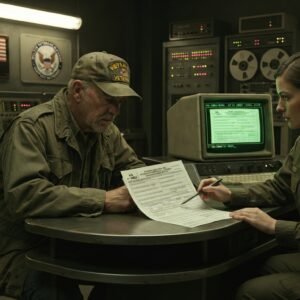
The initial step is to obtain the required application forms. The VA provides these documents, which can usually be found on their official website or through local VA offices. Among the crucial forms, the VA Form 5655, known as the Financial Status Report, plays a significant role. This form allows veterans to detail their financial circumstances, which is essential for the committee’s assessment.
In addition to completing the VA Form 5655, veterans must prepare a written request for a waiver or compromise. This request should succinctly outline the reasons for seeking the waiver and include any pertinent information that supports the claim. It is important that the written statement is clear and provides comprehensive details concerning the financial hardship being faced. Failure to provide adequate justification can lead to denial of the application.
Moreover, assembling supporting financial documents is pivotal. Veterans should compile items such as income statements, bank statements, and records of monthly expenses. Providing accurate and thorough supporting documentation will help illustrate the veteran’s financial situation and enhance the credibility of their application.
One helpful tip is to carefully review all documents to ensure that every financial aspect is accurately represented. Keeping copies of all submitted materials is also advisable, as it allows veterans to track their application status and provides a reference in case further information is requested by the VA.
By meticulously following these steps and providing clear, detailed information, veterans can navigate the application process more effectively, thereby improving their chances of receiving the necessary assistance through waivers or compromises.
Evaluation Criteria: How COWC Makes Decisions
The Committee on Waivers and Compromises (COWC) employs several essential criteria when evaluating requests for waivers and compromises. Understanding these standards is vital for veterans seeking relief from debts, as it directly influences the outcome of their petitions. Prominent among these criteria are the principles of equity and good conscience, financial hardship considerations, and the veteran’s fault in incurring the debt.
The principle of equity and good conscience serves as a foundational element in the decision-making process. Essentially, this principle aims to ensure that the outcome is fair and just for all parties involved. The COWC evaluates whether granting a waiver aligns with what is right and morally justifiable in the context of the veteran’s unique circumstances. This often involves assessing how the debt impacts the veteran’s quality of life, taking into account their service history and the reasons behind the financial obligation.
Another critical factor in the evaluation process is financial hardship. The COWC examines the veteran’s current financial situation, including income, expenses, and overall economic stability. If a veteran can demonstrate that repaying the debt would significantly impair their ability to meet essential living costs, this factor could weigh heavily in favor of granting a waiver. In many cases, documentation detailing income and expenses can further substantiate claims of hardship.
Additionally, the committee considers the concept of veteran fault when assessing requests. If the debt arose through actions deemed negligent or irresponsible on the veteran’s part, the likelihood of a waiver being granted may decrease. It is important to understand that the COWC strives to balance accountability with compassion; thus, each case is reviewed thoroughly to ensure that all relevant details are taken into consideration.
Real-life examples highlight how these criteria operate in practice, illustrating the complexities involved in each decision. For instance, a veteran might successfully obtain a waiver if they can demonstrate severe financial distress brought on by unforeseen medical expenses, despite initial faults in handling debt. Overall, the COWC’s approach combines rigorous assessment with an understanding of personal circumstances, striving to provide a fair resolution for those who served their country.

🇺🇸 IMPORTANT DISCLAIMER – Veterans Benefits Information
This site provides general information about U.S. Department of Veterans Affairs (VA) benefits for educational and informational purposes only.
- Not Official: We are NOT affiliated with, endorsed by, or connected to the U.S. Department of Veterans Affairs (VA), the Veterans Benefits Administration (VBA), the Veterans Health Administration (VHA), or any other government agency.
- No Legal/Financial Advice: The content on this website is for informational purposes only and does not constitute legal, financial, or medical advice. VA benefits rules change frequently – always consult with an accredited Veterans Service Officer (VSO) or a qualified professional for your specific situation.
- Official Sources: For official, binding information and to apply for benefits, always visit official .gov websites: VA.gov, Benefits.VA.gov, or SSA.gov.
- No Data Collection: This site does not collect, store, or process any personal information. It does not have login forms, contact forms, or any system to capture user data. We never ask for your Social Security Number, bank details, or any personal information.
- 🚨 Scam Alert: The VA and other government agencies never charge fees for benefit applications. If anyone asks for money to "process" your VA claim, it is a scam. Report it to the VA Office of Inspector General at VA.gov/OIG.
- Advertising: This site uses third-party advertising (Adsterra) to cover operational costs. We do not endorse or guarantee any products or services advertised.
📌 Information provided as of June 2026. Always verify current eligibility and rules with official .gov sources.
This site is not affiliated with the U.S. Department of Veterans Affairs or any government agency. All information is for educational purposes only. Please visit VA.gov for official information.
